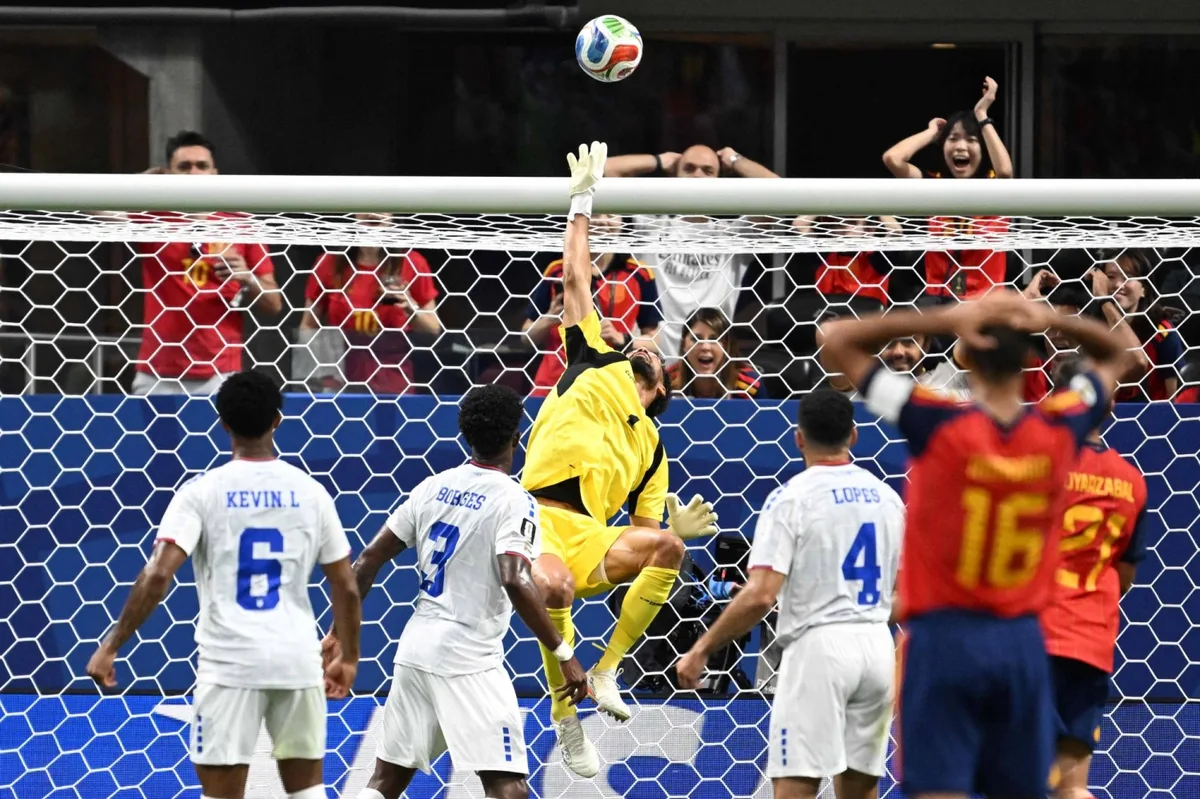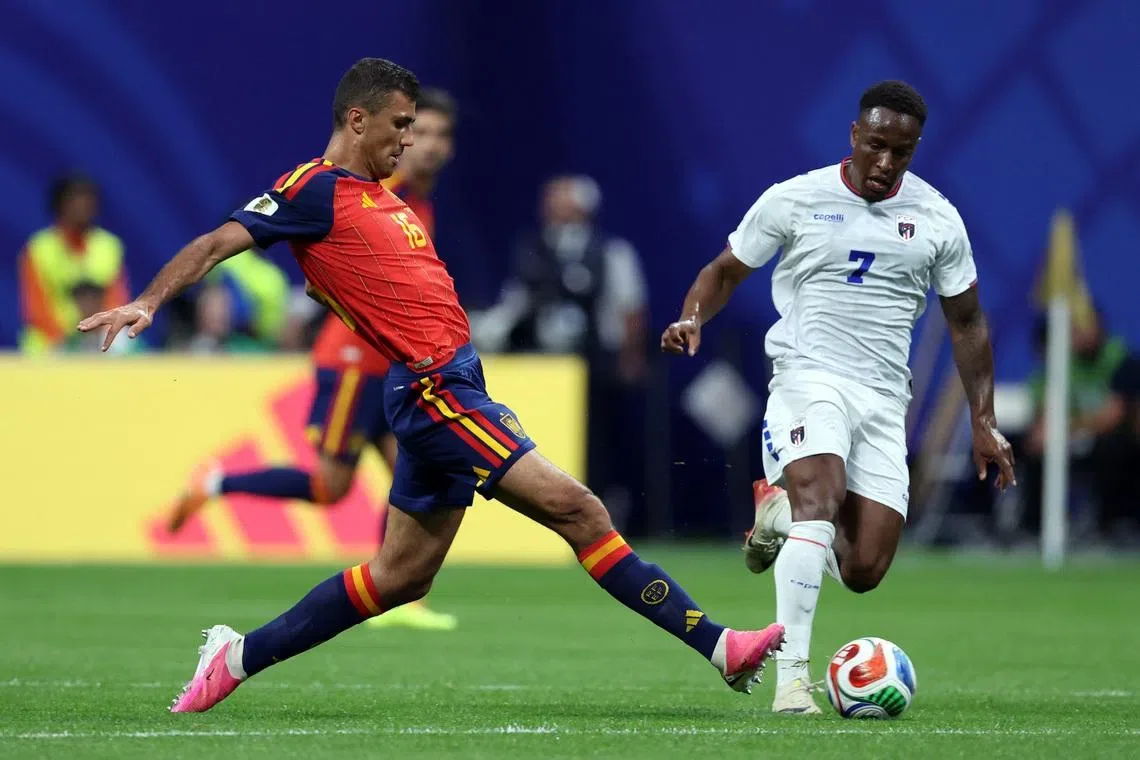
The 2026 World Cup’s expanded 48-team format has defied expectations by allowing smaller and debutant nations to challenge established soccer powers from the tournament’s first games on June 17 and 18 [1, 2, 3]. European champions Spain drew 0-0 with World Cup debutants Cape Verde. Spain controlled possession with 74% but struggled to create meaningful chances, failing to score despite opportunities. Spain’s captain Rodri said, "We couldn’t put it in. We created chances, but couldn’t finish. That’s how they play" [3]. Spanish striker Mikel Oyarzabal made history by becoming the first player since 1966 to record no touches in the opening 30 minutes of a World Cup match [1, 2, 3].
Portugal drew 1-1 with the Democratic Republic of Congo, returning to the World Cup for the first time in 52 years. Led by Cristiano Ronaldo, Portugal completed 740 passes but managed only one shot on target, highlighting the tight defense from Congo [1, 2, 3]. Belgium secured a draw against Egypt in their group opener [1, 2, 3]. French champions faced Senegal, who held them scoreless for over an hour before Kylian Mbappe scored to secure a positive result for France [1, 2, 3]. Senegal’s coach Pape Thiaw said, "I do believe that the distance that separates the teams...they're progressing, which is a good thing. We keep working on it" [1].
The strong performances by smaller and debutant teams reflect how many now field players trained in top European academies or experienced in elite leagues. This has narrowed the technical and tactical gap with traditional powerhouses [1, 2, 3]. The expanded format has increased opportunities for emerging nations to show competitive progress rather than produce one-sided matches on the biggest stage [1, 2, 3].
More group stage matches continue over the coming days as the tournament progresses toward knockout rounds.