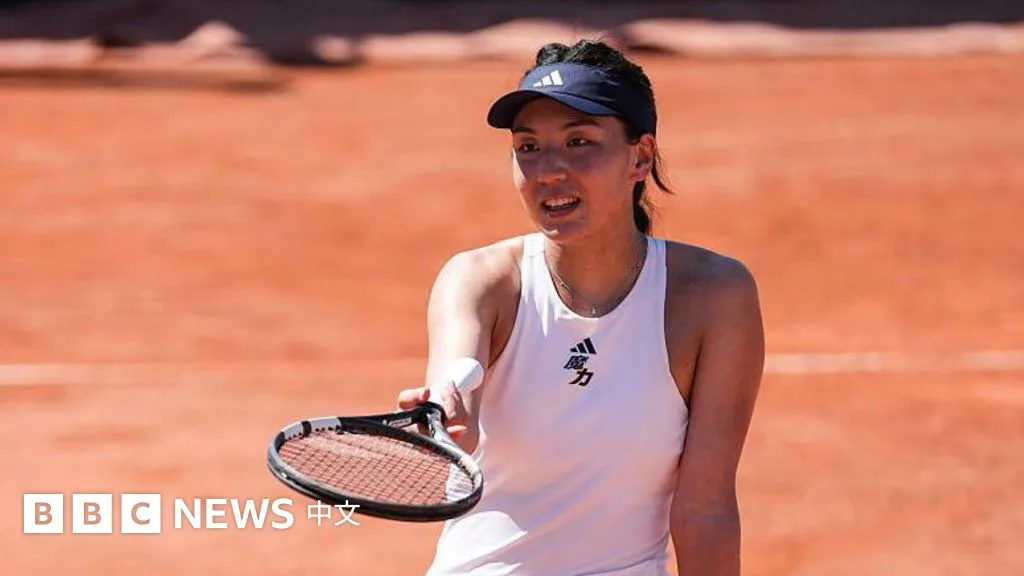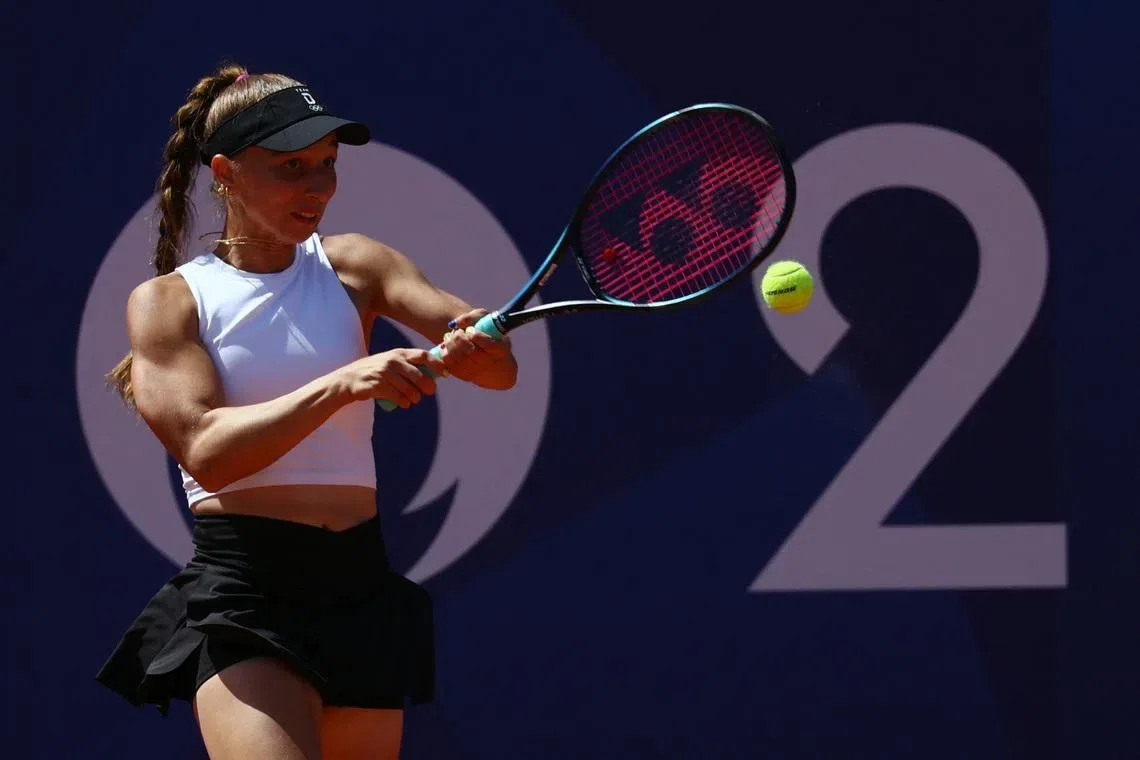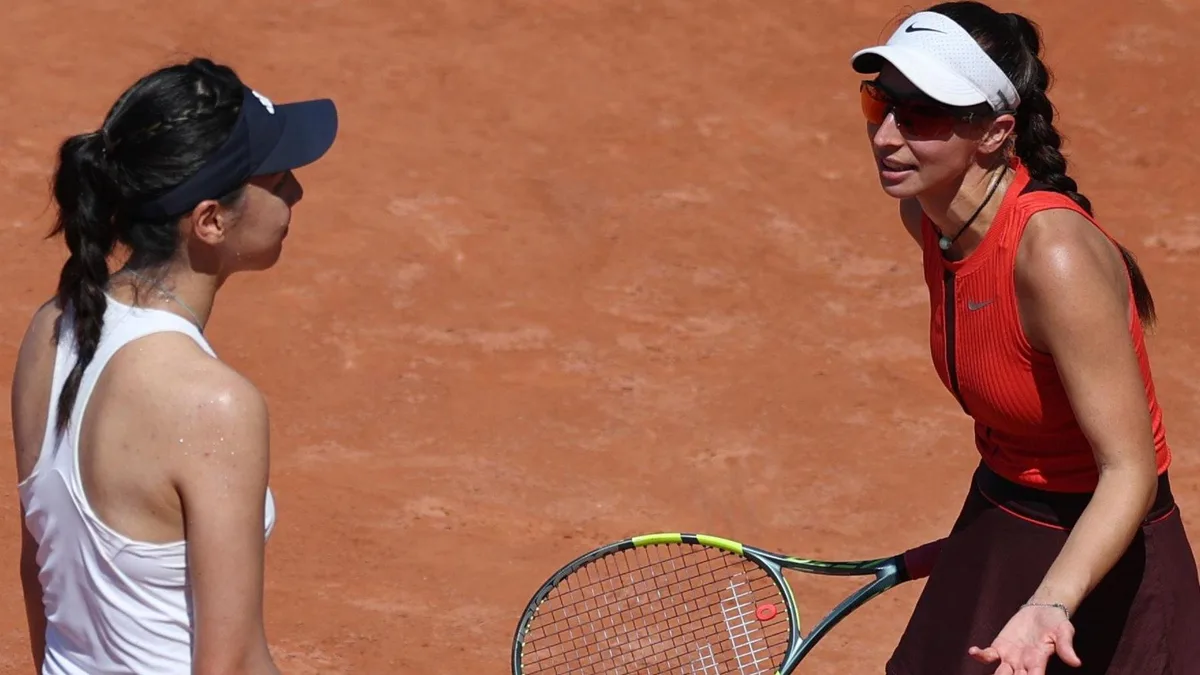
German player Tamara Korpatsch won a tense second-round match against China's Wang Xinyu at the 2026 French Open on May 27, prevailing 6-2, 2-6, 6-3 amid controversy over a key line call [1, 2, 3, 4, 5, 6, 7, 8]. The dispute arose late in the first set when Wang served and believed a shot was in. Korpatsch pointed to a ball mark on her side of the court that the chair umpire ruled out after reviewing Hawk-Eye data showing the ball was about 8 millimeters outside the line [1, 2, 3, 4, 5, 6, 7, 8].
Wang crossed the net to inspect the ball mark herself, which broke tennis rules forbidding players from entering the opponent's side during a point. The umpire deemed Wang's action unsportsmanlike, issuing a code violation and awarding a point to Korpatsch [1, 2, 4, 6, 7, 8]. Wang later apologized, saying she was unaware crossing the net would lead to penalty points and vowed not to repeat the breach [4, 6, 8].
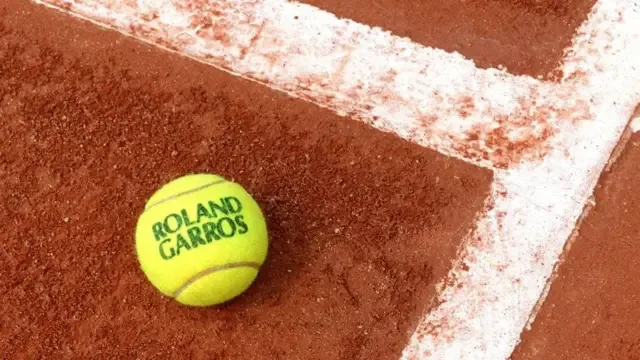
The ball mark system is unique to the French Open, relying on clay ball marks and umpire judgment rather than full electronic line calling used at other Grand Slam events [1, 2, 4, 5, 6, 7, 8]. The contested point gave Korpatsch a set point during Wang's serve, intensifying the stakes of the call [1, 2, 4, 7].
After the match, the players broke tennis etiquette by not shaking hands at the net. Korpatsch refused the handshake, saying, "I didn’t offer her my hand because that’s not fair for me. She was unfair to come on my side, and I’m not an unfair player" [2]. Korpatsch denied accusations of cheating, stating, "If I had cheated, it would be really embarrassing. I’m honest; I didn’t know which ball mark was the right one. We have one of the best chair umpires and many cameras on court" [1].
Wang said she thought Korpatsch was marking the ball to mislead the umpire but acknowledged the ball was out according to official calls and Hawk-Eye [8]. Wang was seeded 32nd in the tournament and Korpatsch will next face seventh seed Elina Svitolina in the third round [1, 2, 3, 5, 7].