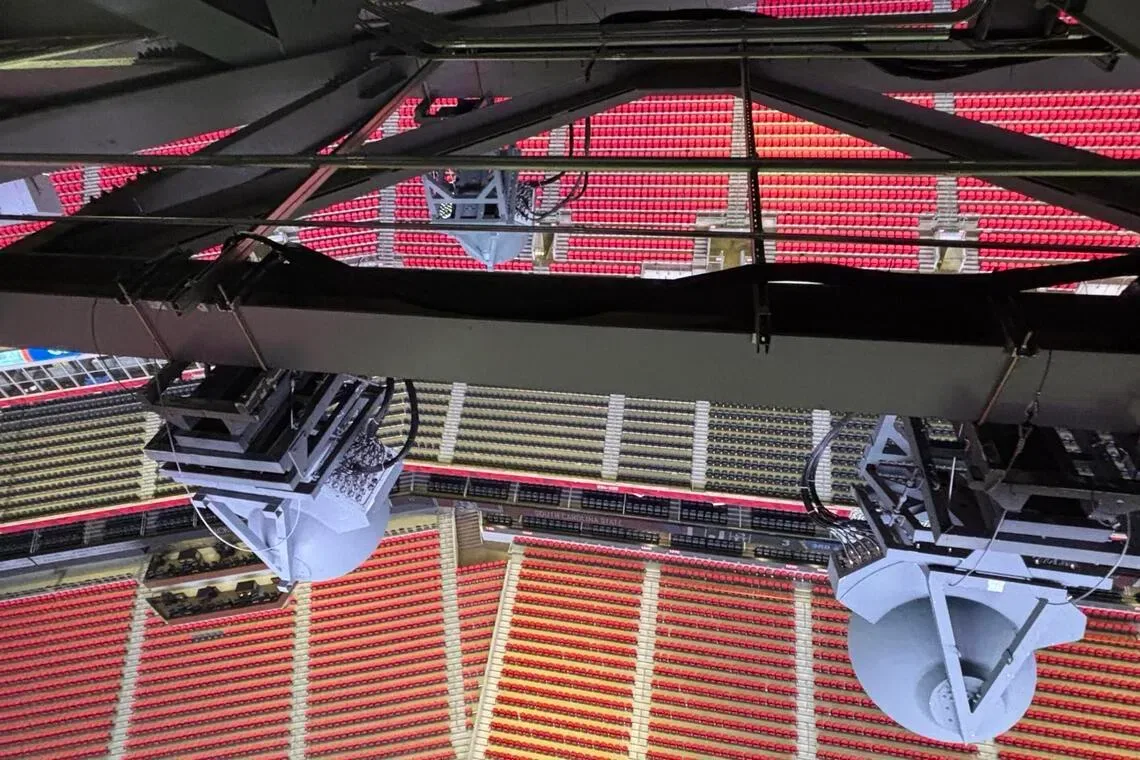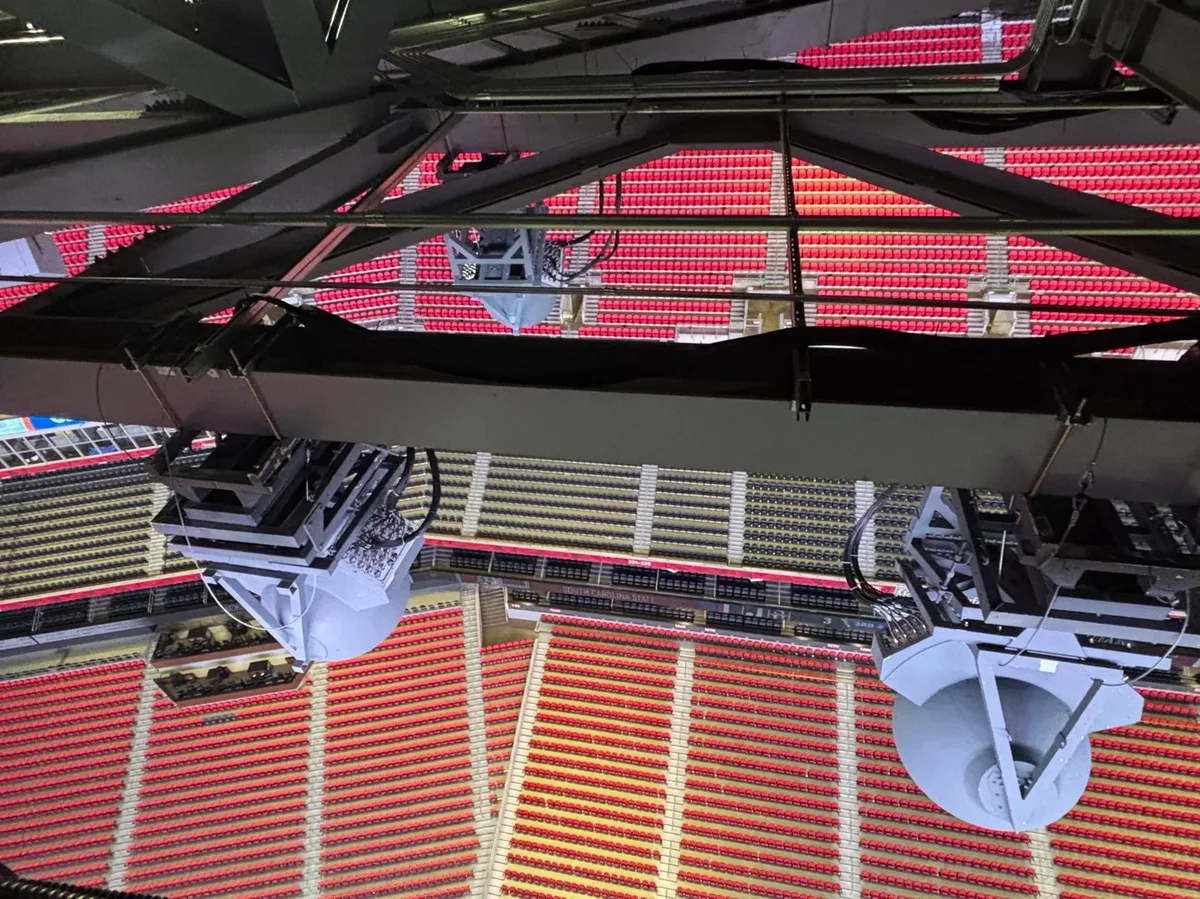
MatSing, a Singapore-headquartered technology company, supplies its patented ball-shaped lens antennas for high-speed 4G and 5G wireless coverage at 15 of the 16 FIFA World Cup 2026 host stadiums across the United States, Canada, and Mexico. The network equipment is installed at major venues including SoFi Stadium, AT&T Stadium, Mercedes-Benz Stadium, MetLife Stadium, Hard Rock Stadium, BMO Field, and Mexico City's Azteca Stadium where the tournament's opening match takes place [1, 2, 3, 4].
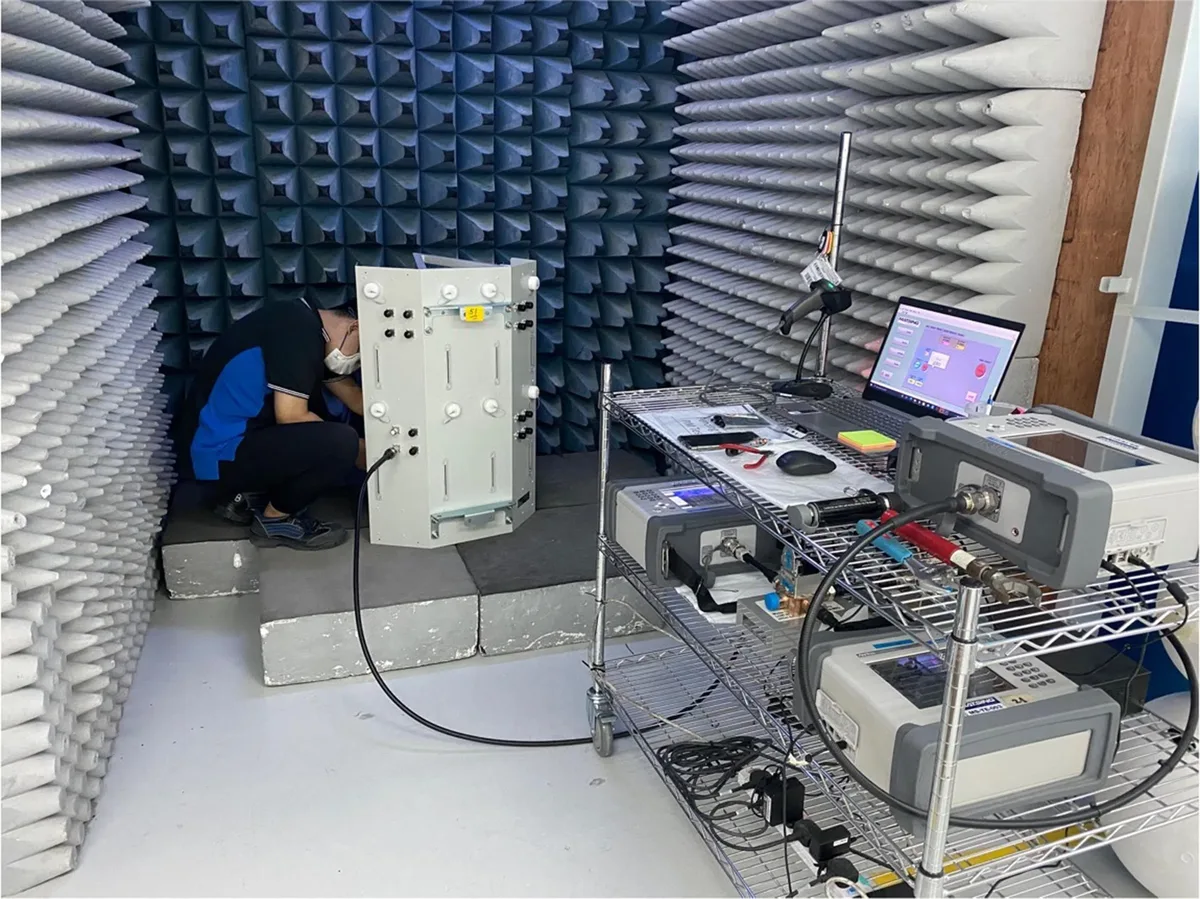
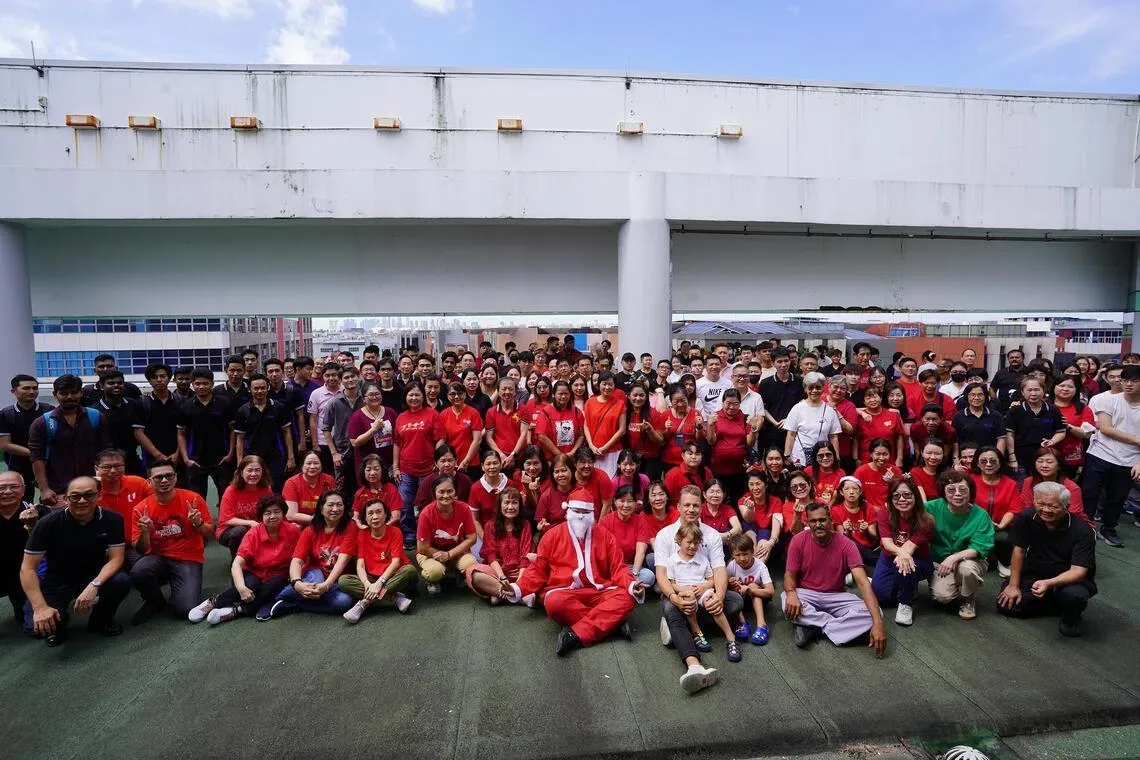
Founded in 2005 by physicist Serguei Matitsine, formerly a senior research scientist at the National University of Singapore, the company remains fully based in Singapore where all design, manufacturing, and research and development activities occur at its Kaki Bukit Industrial Estate hub. About 200 employees operate across six to seven factories in this facility [1, 2, 3, 4].
MatSing’s unique technology uses lightweight, low-loss dielectric metamaterial lenses housed in a ball-shaped antenna. This design leverages radio frequency lensing to precisely steer electromagnetic waves, achieving radio coverage that outperforms traditional dish antennas [4]. The technology was first proven reliable during the 2014 Coachella music festival in California, a milestone that helped MatSing secure contracts with major US stadiums and telecom firms including AT&T [1, 4].
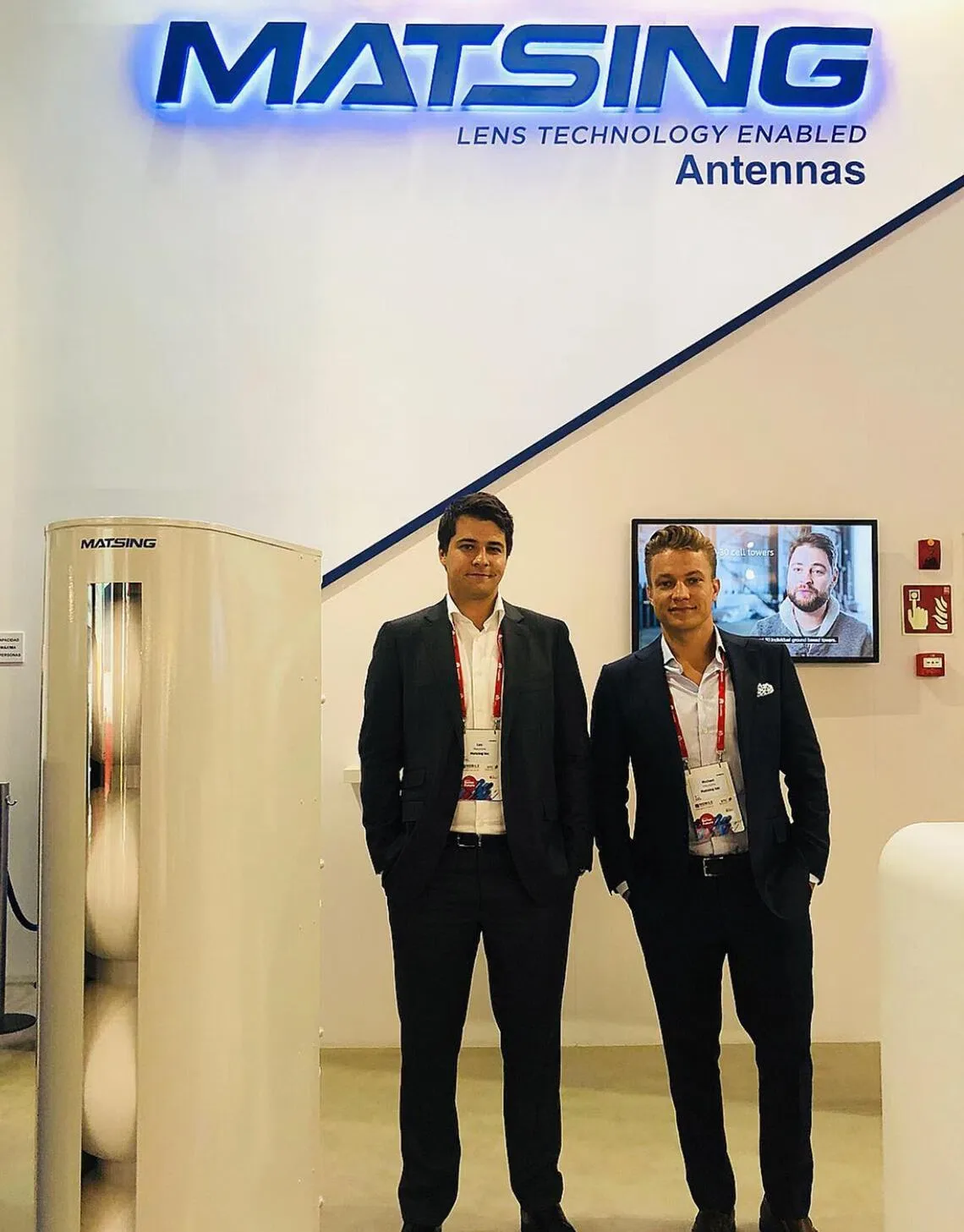
The company is led by Matitsine’s sons, Leo and Michael, who grew up in Singapore after moving from Moscow in 1995 and now serve as executive vice presidents based at the company’s US headquarters [1, 2, 3, 4]. Leo Matitsine said, "MatSing’s home is very much still Singapore," and expressed hope that the public feels pride that the technology originates from Singapore. He noted the company’s growth "from starting in a small garage to expanding across six or seven factories with about 200 employees," emphasizing that all manufacturing and some design and R&D remain in Singapore [1, 4].
The 2026 FIFA World Cup, running from June 11 to July 19, is the first jointly hosted event by the US, Canada, and Mexico. MatSing’s technology underpins wireless connectivity critical for fans and media across the tournament venues [1, 2, 3, 4].