The PGA Tour revealed plans today to introduce a two-tier competitive model starting in the 2028 season, creating the PGA Tour Championship Series as the top level and the PGA Tour Challenger Series as the secondary level [1, 2, 3].
The Championship Series will feature about 23 to 24 events per season, including the four majors, Players Championship, season-ending events, and international team competitions such as the Ryder Cup and Presidents Cup [2, 3, 4, 5, 6, 7]. It will field roughly 120 players on average, using a 36-hole cut and a 72-hole stroke play format [3, 4, 7]. Each event in this top tier will have a minimum purse of $20 million [2, 3, 4, 7].
The Challenger Series will host at least 20 events, with approximate fields of 144 players and purses of $4 million or more. This series will serve as the primary pathway for players to earn promotion to the Championship Series [2, 3, 4, 7]. Under the formalized promotion and relegation system, a minimum of 90 players will retain their Championship Series status each season, while at least 20 players will be promoted annually from the Challenger Series [2, 3, 4, 7]. Players who win two Challenger Series events in the same season will gain immediate promotion [2, 3].
There will be no sponsor exemptions into Championship Series events. A "last chance" fall series of 4 to 6 events will help determine final spots for both the next season’s Championship and Challenger Series [3, 7]. The season-ending Tour Championship will switch to a match play format and rotate among different courses starting in 2028 [5, 8, 7].
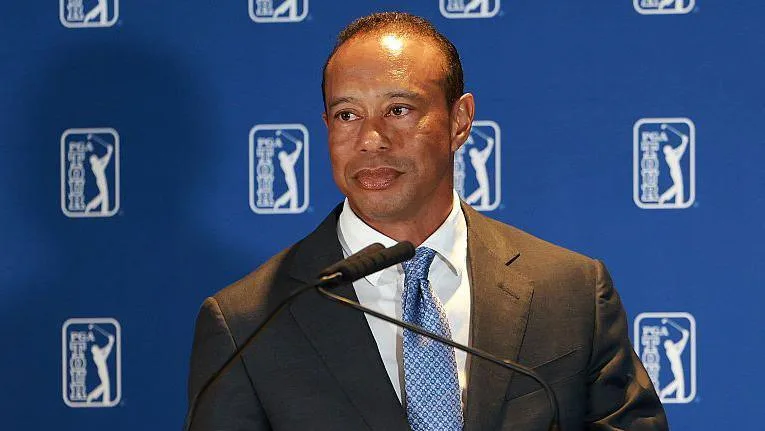
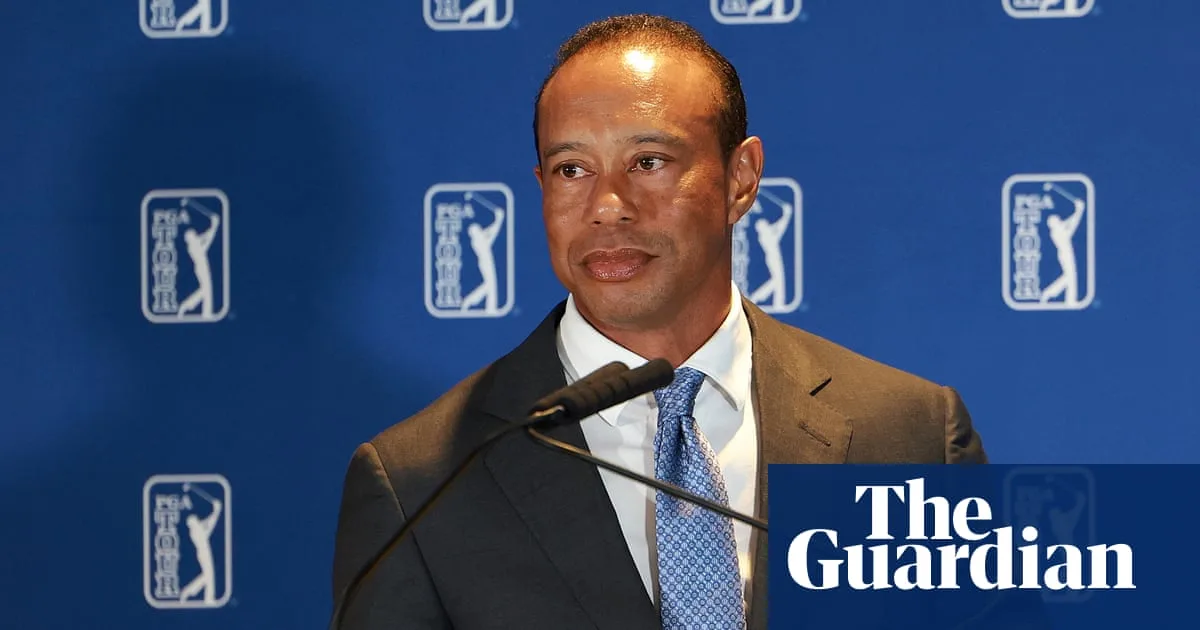
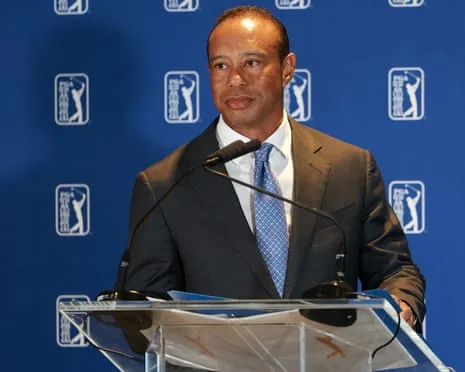
Tiger Woods, chairman of the Future Competition Committee, played a public role in recommending the new system. He said, "This work was never about any one player or person. It was about bringing together different perspectives, having honest, hard conversations and thinking boldly about what is best for the game that we all love" [2]. Tiger added, "We have to look forward and beyond today and over the horizon to set up the PGA Tour and our sport for the future generations of players and fans" [3].
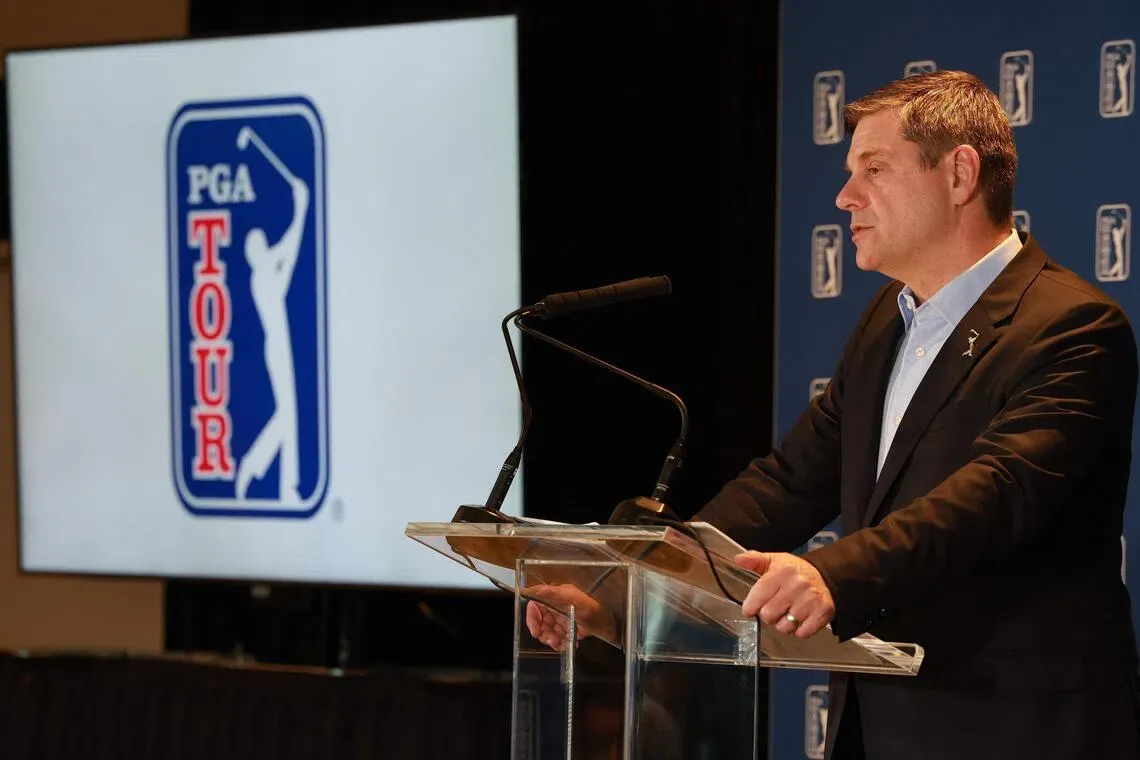
Brian Rolapp, PGA Tour CEO and incoming commissioner starting in 2028, described the model as "grounded in meritocracy, with clearer pathways, higher stakes and more consistency when the best players compete together" [1]. He will assume the commissioner role after Jay Monahan retires at the end of 2027 [4, 6, 8].
New markets being considered for Championship Series events include Boston, Denver, New York, Philadelphia, San Francisco, Seattle, and Washington, DC [3, 4]. There is uncertainty over whether the current agreement allowing top 10 finishers in the European DP World Tour's Race to Dubai to receive PGA Tour cards will continue beyond 2028 [2].
Rory McIlroy supported the changes, calling today’s announcement "a positive step for professional golf" that reaffirmed meritocracy and promised to serve players and fans well "into the future" [3, 5]. Player Wyndham Clark added that the two-track system would "bring meritocracy" and make the Tour easier to follow.
The PGA Tour will finalize full eligibility criteria for the new system later this year, including rules on exemptions and medical extensions [3, 4]. Jay Monahan will retire December 31, 2027, and Brian Rolapp’s tenure as commissioner will begin January 1, 2028, aligning with the new system’s launch [4, 6, 8].