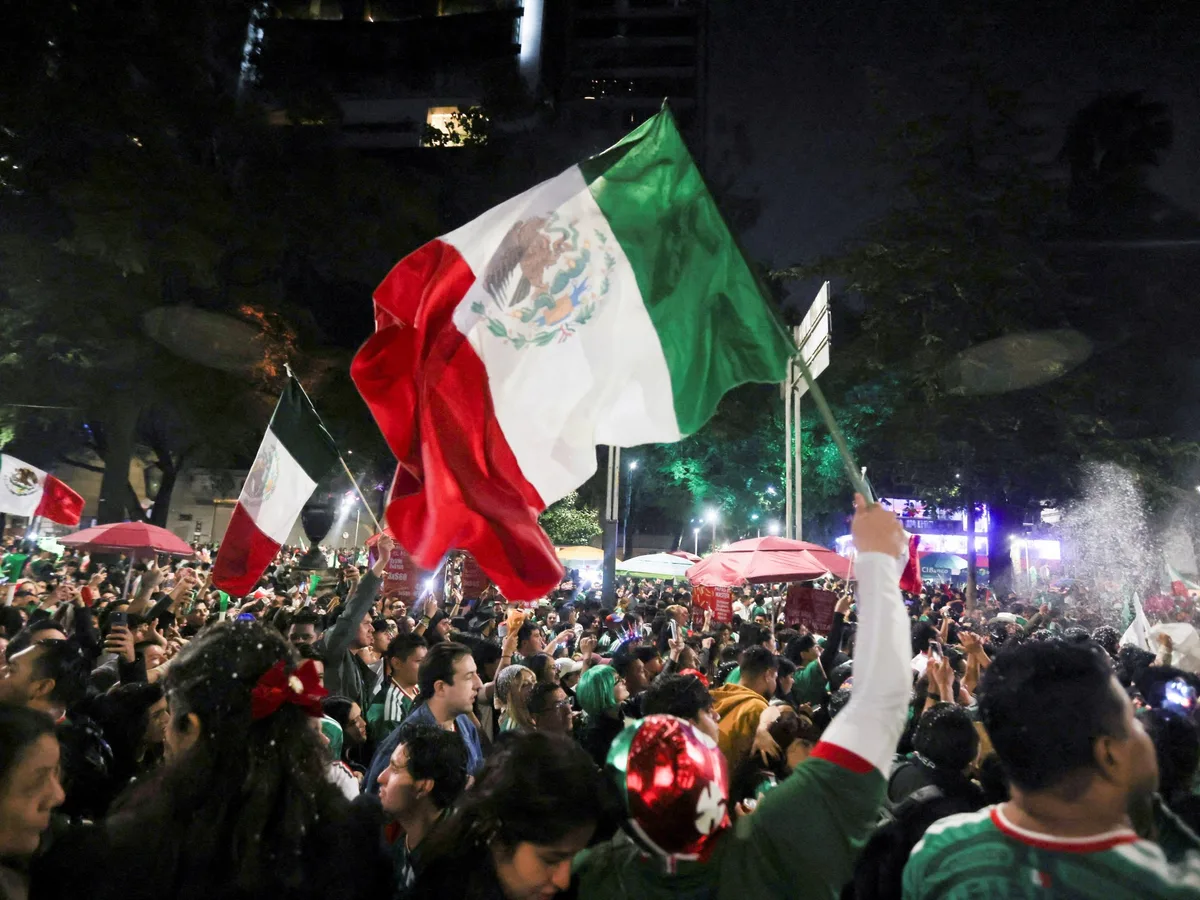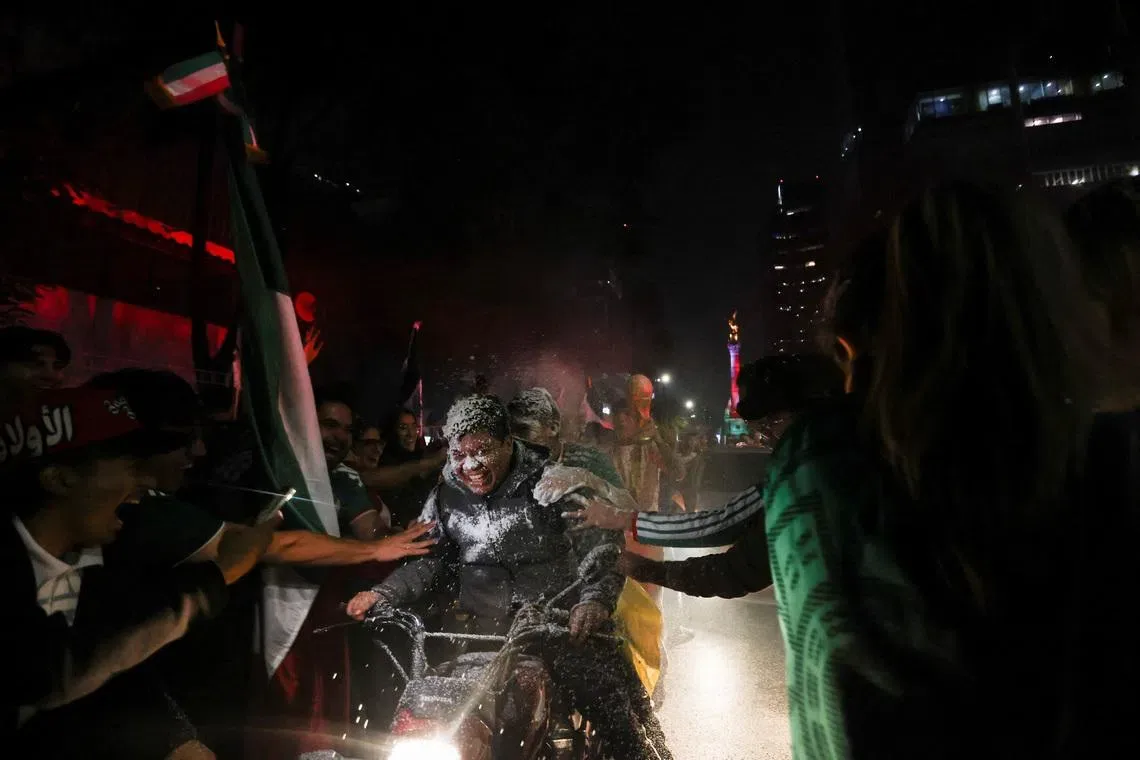
More than 700,000 people gathered downtown Mexico City on June 18 to celebrate Mexico’s 1-0 victory over South Korea, which advanced the national team to the knockout stage of the World Cup [1, 2, 3, 4]. Fans wore green El Tri jerseys and colorful Lucha Libre masks while dancing, waving flags, singing anthems, and blowing vuvuzelas in the rain [1, 2, 3, 4].
The next morning, Reforma Avenue was littered with trash, including many trampled yellow cempasuchil flowers, as authorities collected about 40 tonnes of waste around the historic centre [1, 2, 3, 4]. In response to the large crowds and waste, the Mexico City government said it is considering steps to limit street alcohol sales during World Cup matches [1, 2, 3, 4].
Measures under review include asking restaurants and bars to stop customers from taking alcohol off their premises and potentially restricting alcohol sales at convenience stores before big games [1, 2, 3, 4]. More personnel will also be deployed to control and limit beer sales by street vendors during World Cup events [1, 2, 3, 4].
To help disperse crowds during future celebrations, authorities plan to add seven large screens around the city centre, bringing the total to 19 from the current 12 [1, 2, 3, 4]. Government secretary Cesar Cravioto said, "We will keep insisting that fans have fun but without excessive alcohol consumption" [1].
Elsewhere, Scottish fans in Boston consumed large amounts of beer following Scotland’s 1-0 win over Haiti, causing some bars to run dry, highlighting widespread World Cup celebrations [1, 2, 3, 4].
Mexico is scheduled to play the Czech Republic in the group stage on June 24, with the government expected to implement its crowd and alcohol control measures by then [1, 2, 3, 4].