LIV Golf has relied on financial support from Saudi Arabia's Public Investment Fund since its founding in 2021, spending more than US$5 billion to date [1]. The league launched its faster-paced format in 2022, aiming to attract modern viewers with shorter events and record prize money, including a US$50 million team championship purse that first year [1].
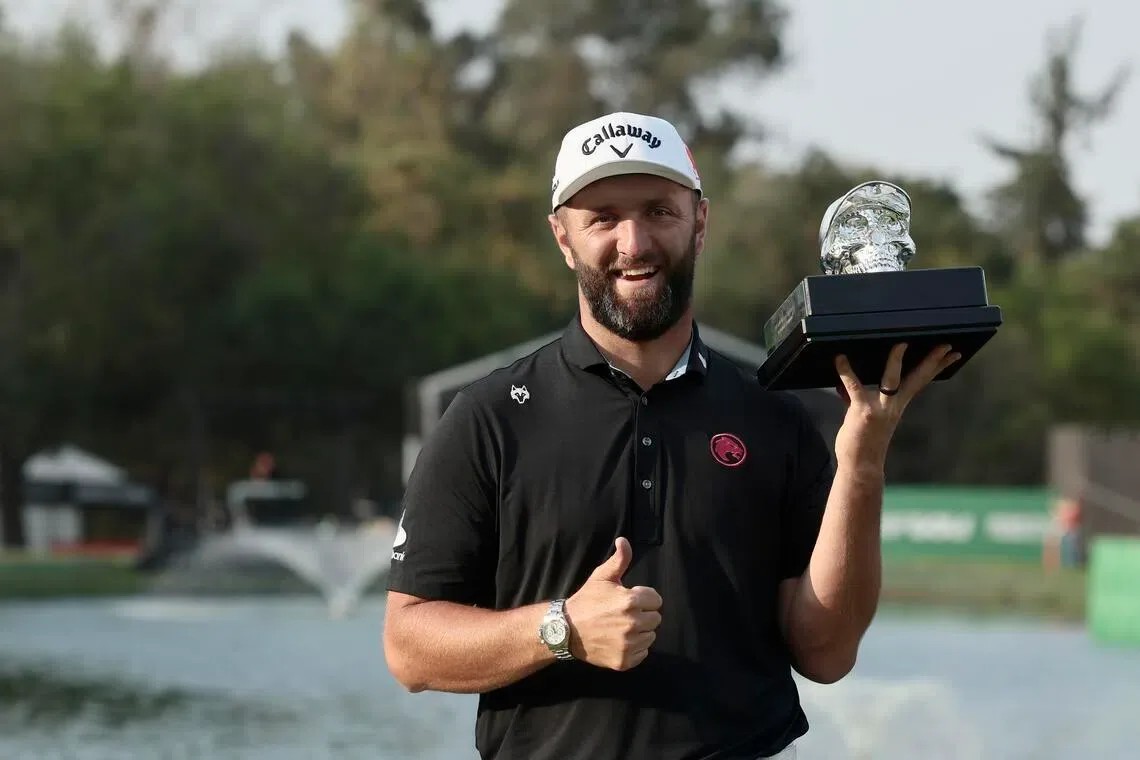
In 2023, LIV Golf signed former world No. 1 Jon Rahm to a reported contract exceeding US$300 million, underlining its strategy of securing star players to raise its profile [1]. Despite attracting big names, LIV has struggled to convert that star power into lasting fan engagement. Golfer Bubba Watson described the league as "stale," reflecting some internal doubts about its appeal [1].
Reports emerged last week that Saudi Arabia’s Public Investment Fund was reconsidering its ongoing investment in LIV Golf, putting future financial support in question [1]. In a recent interview, LIV CEO Scott O’Neil said the league currently has funding only through the end of the 2026 season, a significant reduction from his earlier statement that funding was secured at least through 2032 [1].
LIV Golf’s rapid spending and reliance on high-profile signings have drawn attention, but questions remain about its sustainability without continued Saudi backing [1]. As of today, the league’s current funding guarantees operations only until the close of the 2026 season, leaving the future uncertain beyond that point [1].