Four sets of brothers are competing at the 2026 World Cup, each playing for a different country [1, 2, 3].
Among them are Desire Doue, 21, who was born in France and plays for Paris Saint Germain, representing France. His older brother Guela, 23, plays for Ivory Coast, their father’s country. The two faced off in a warm-up friendly last week, when Guela scored the opening goal in Ivory Coast’s 2-1 win over France in Nantes. Desire watched from the stands. Guela said, “Sure, we teased each other a bit before the match. In the end, we're family and we're very happy for each other.” [1, 2, 3]
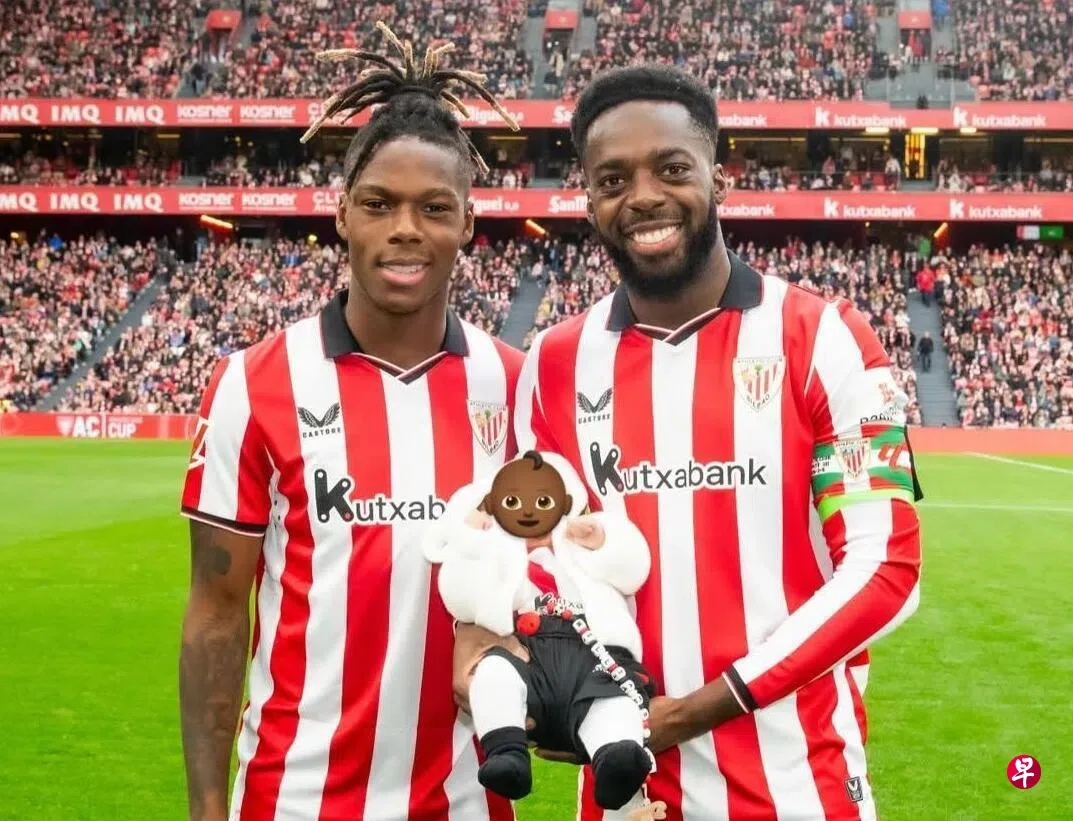
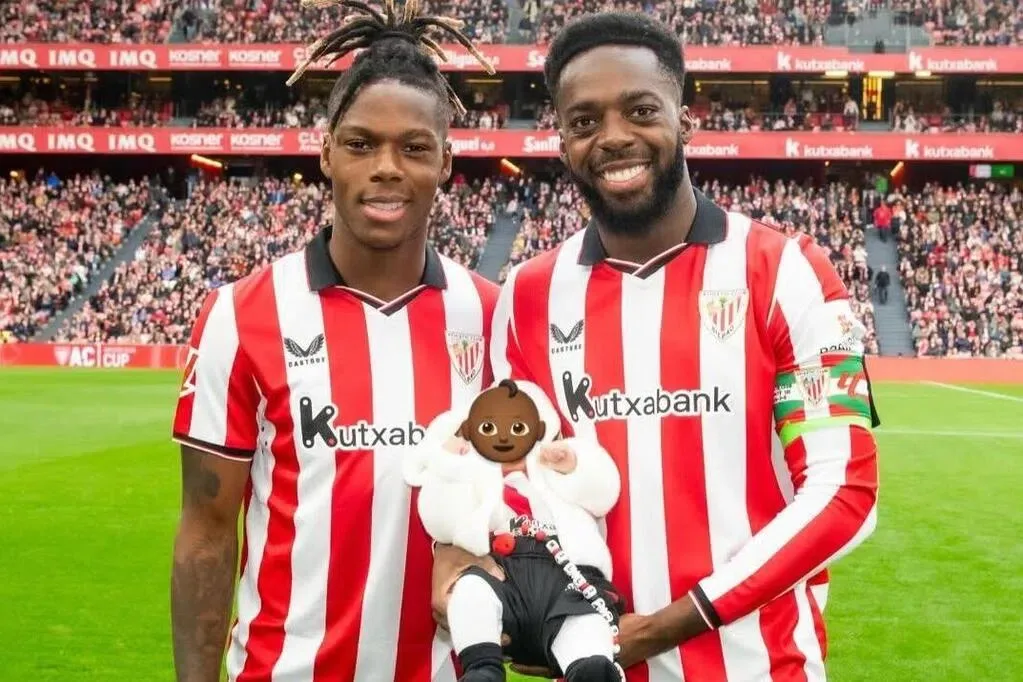
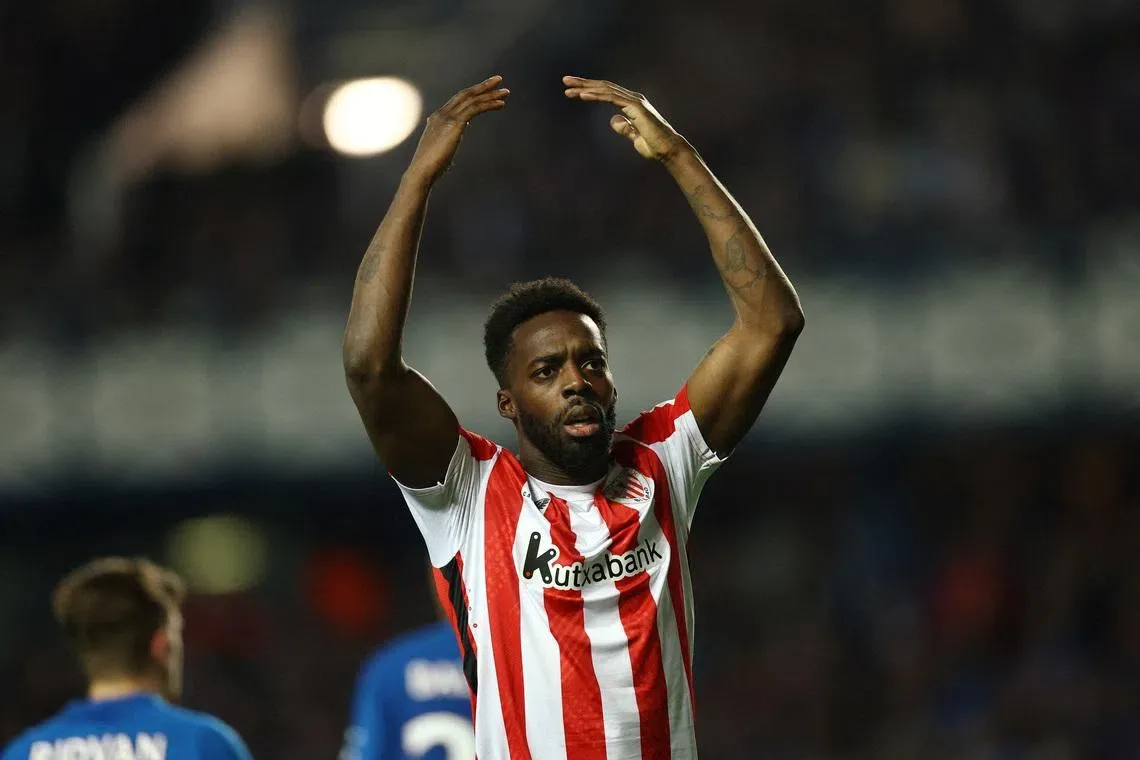
Basque-born brothers Inaki and Nico Williams also play for separate nations. Nico, 23, is with Spain and was player of the match at the 2024 European Championship final. Inaki, almost 32, played once in a Spanish friendly but now represents Ghana, where their parents are from [1, 2, 3].
Ghana’s squad also includes Dutch-born Derrick Luckassen, 30, a last-minute injury replacement, and his half-brother Brian Brobbey, 24, who plays for the Netherlands. They share the same mother [1, 2, 3].
Scottish-born Harry Souttar, 27, plays for Australia, having switched allegiances seven years ago. His older brother John Souttar, two years older, plays for Scotland. Both were born in Aberdeen to an Australian mother [1, 2, 3].
None of the brothers will meet in the group stage at this tournament [1, 2, 3]. Migration has broadened the talent pools for many countries, especially African teams recruiting from European diasporas [1, 2, 3].
Historically, only one set of brothers has played directly against each other in World Cup matches: Jerome and Kevin-Prince Boateng faced off as Germany and Ghana players in 2010 and 2014, including group stage games. Jerome Boateng remarked in Chinese that the 2010 encounter was "truly special and unprecedented," and felt different from their later matches [3].
The World Cup began today, June 8, featuring these unique family storylines among multiple national teams [1, 2, 3].