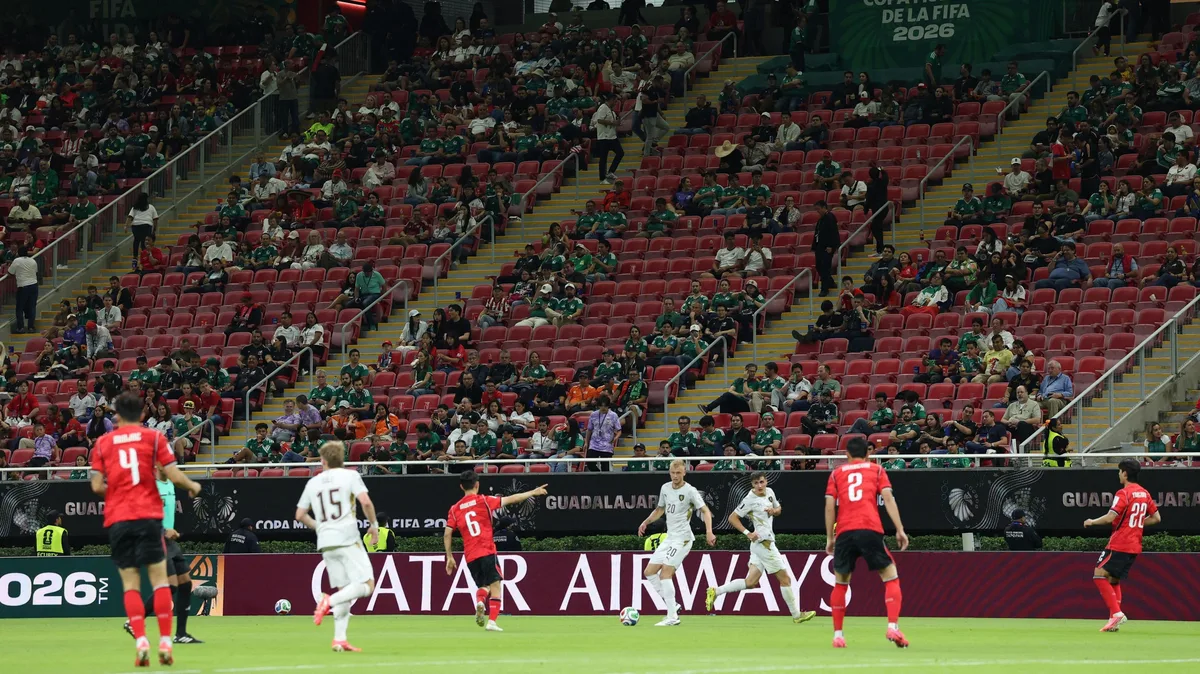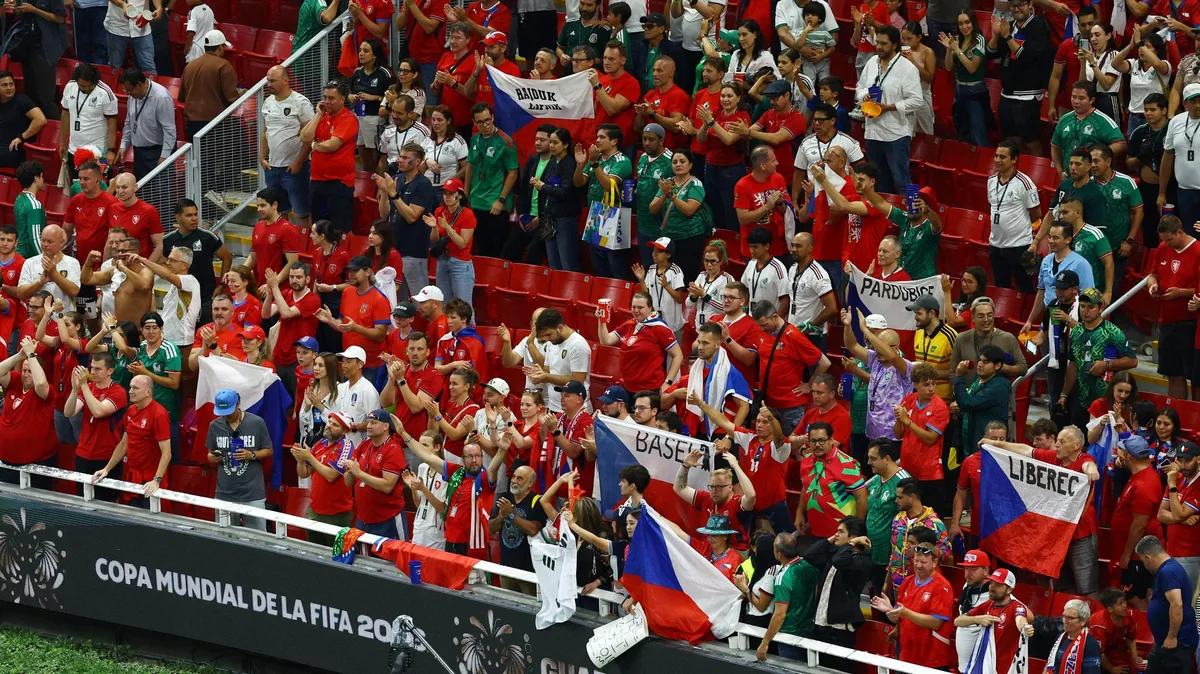
FIFA reported an attendance of 44,985 for the June 11 World Cup Group A match between South Korea and the Czech Republic at the 46,000-seat Estadio Akron in Guadalajara, Mexico [1, 2, 3, 4, 5, 6, 7, 8, 9]. Despite this near-capacity figure, multiple media outlets and broadcast footage showed many empty seats, especially after halftime and notably in VIP and hospitality sections [1, 2, 3, 4, 5, 6, 7, 8, 9]. VIP tickets in some cases sold for $5,000 or more but many remained unoccupied [3, 6, 7].
FIFA defended its attendance figures, explaining they count tickets scanned and all spectators within the stadium footprint, including those standing in concourses rather than seated continuously during the match. A FIFA spokesperson said, "Official attendance figures reflect the number of tickets scanned and spectators present within the stadium footprint, rather than visual assessments of seating occupancy at any given moment during the match" and added that "several ticketed fans could be seen standing in concourses rather than staying in their assigned seats throughout the match" [8].
FIFA President Gianni Infantino also defended the tournament's ticket pricing. He said prices were "on a par with other major sporting events" and added, "We have seen demand exceed expectations by a factor of 10 or more" [2]. He indicated if FIFA was doing something wrong on pricing, so was almost everyone selling tickets in North America [6].
Still, European football fan groups like Football Supporters Europe criticized the pricing as "extortionate" and up to five times higher than for the 2022 Qatar World Cup, warning the cost excludes many ordinary fans [2, 4, 5, 6, 7, 9]. While over 6 million tickets have been sold overall, tens of thousands remained unsold or listed on resale platforms around the tournament start, reflecting challenges from high prices, dynamic pricing policies, travel costs, and the expanded 48-team format diluting demand [2, 3, 5, 6, 7, 9].
The South Korea vs Czech Republic match ended 2-1 in favor of South Korea [1, 2, 4, 5, 6, 7, 9]. The 2026 World Cup is hosted across the US, Mexico, and Canada, with matches held in several stadiums including Estadio Akron and Mexico City's Azteca Stadium [1, 2, 4, 5, 6, 7, 9].
Chinese TV coverage of the match on opening day drew a peak rating of 1.9%, three times NBA ratings in China, despite China’s absence from the tournament and challenging broadcast times [10, 11, 12]. Chinese fans showed mixed reactions online, with some citing the ratings as signs of strong enthusiasm while others viewed the atmosphere as less engaged than in past events [10]. Japanese professor Hayashi Daiwei noted that crowds are drawn more by rare goals and dramatic moments than by every match itself [10].
FIFA has allocated lower-priced tickets around $60 to national associations to improve fan access, though how widely these seats are available in practice remains unclear [6, 7]. Critics remain concerned that the highest price points, particularly in VIP sections, are driving down attendance and excluding typical supporters [3, 6, 7].