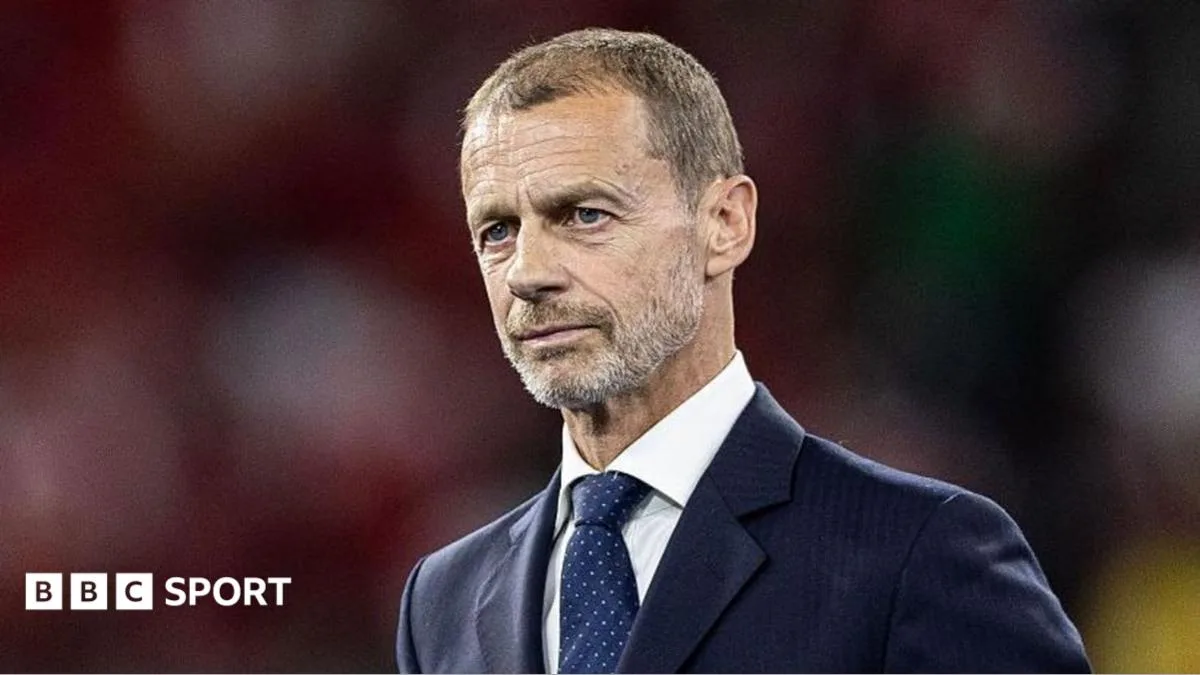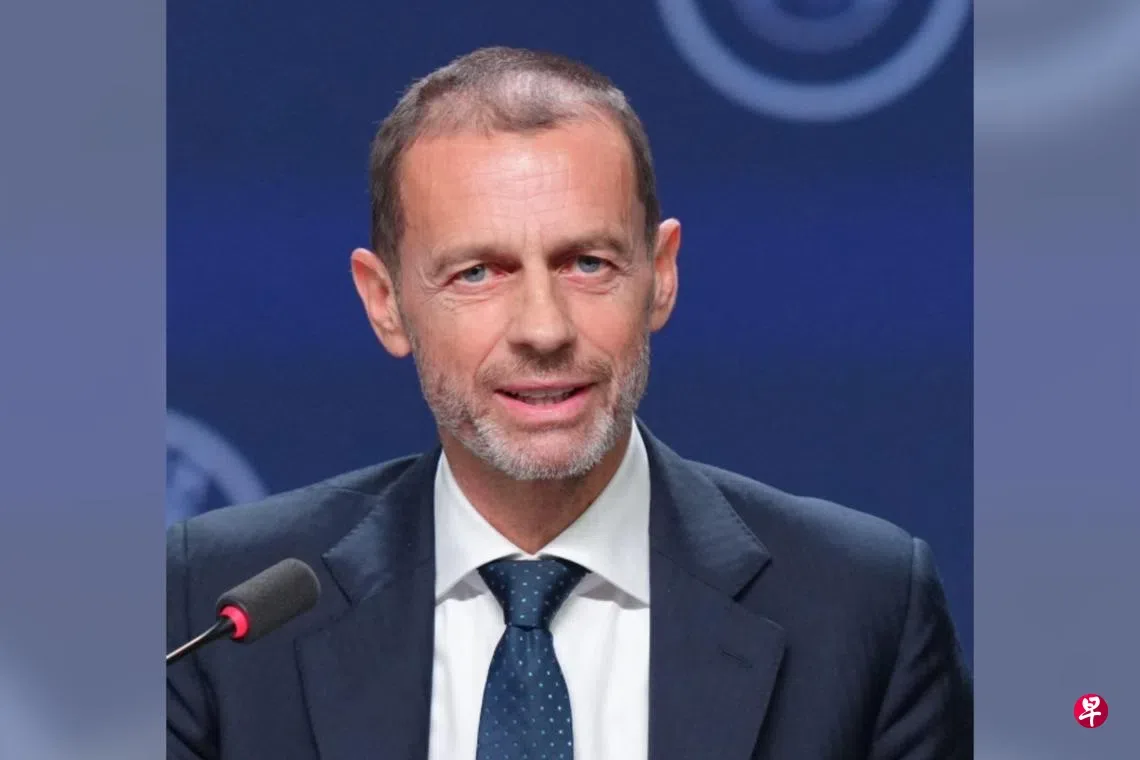
UEFA president Aleksander Ceferin said the expanded 2026 World Cup, featuring 48 teams instead of 32, would result in many matches being "completely uninteresting" [1]. He noted, however, that "even small countries can participate and feel the pulse of the World Cup, which is a big thing" [2].
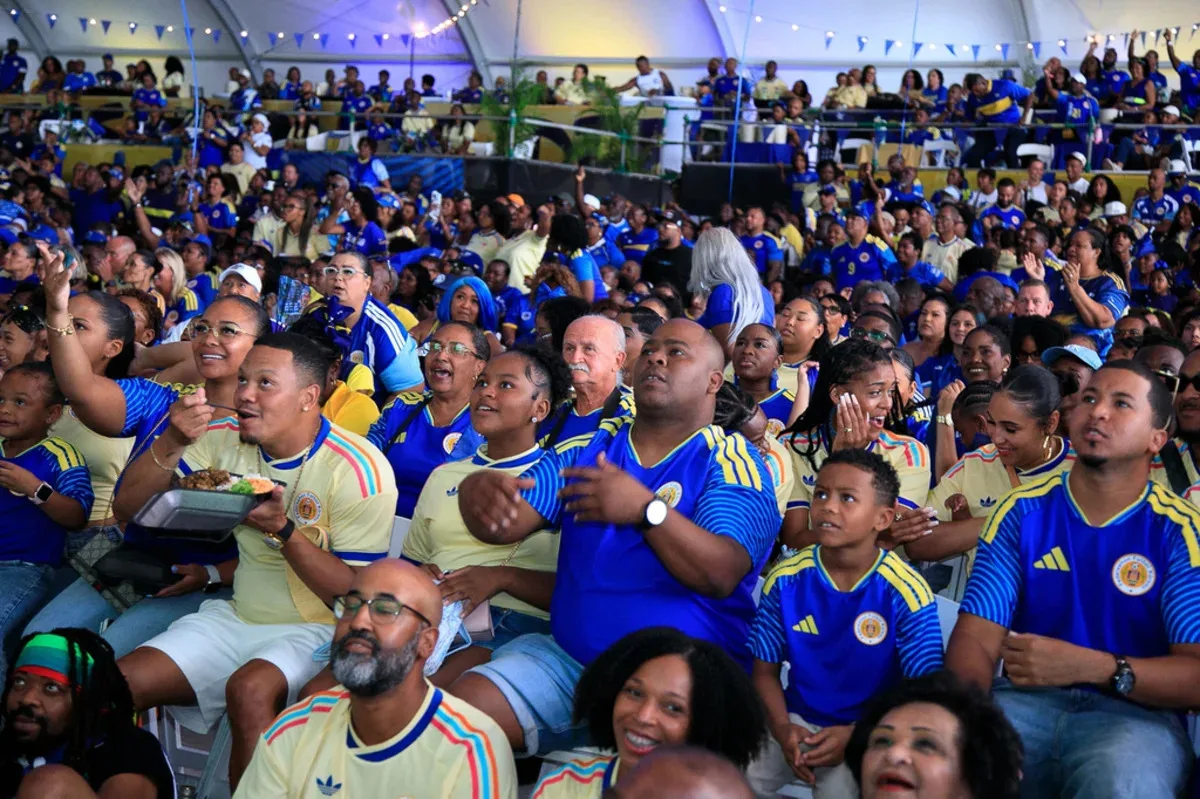
On June 14, 2026, a coalition of 13 football associations including Cape Verde, Curacao, Uzbekistan, DR Congo, Haiti, Algeria, Tunisia, Morocco, Egypt, Ghana, Senegal, Ivory Coast, and South Africa released a joint statement rejecting Ceferin's remarks [1, 3, 4]. The statement said, "For our countries, there is no such thing as an unimportant World Cup match" [1]. It added, "Every team has earned its place on merit. Every supporter has the right to dream. Every match carries meaning for millions of people around the world" [3]. The statement concluded, "We respectfully but firmly reject these comments" [4].
The 2026 World Cup is the largest ever, with 48 countries competing across venues in the United States, Canada, and Mexico [2, 1, 3, 4, 5]. The expansion has drawn debate about the quality and competitiveness of early-round matches.
UEFA did not explicitly deny Ceferin’s comments but pointed to an earlier interview where he did not mention any concerns about the tournament’s size [1, 3, 6, 4]. Ceferin’s remarks have nonetheless sparked pushback from smaller and returning nations qualifying for the World Cup for the first time in years.
The 13 nations emphasized the historic significance of qualification for their countries and called for recognition of the efforts and aspirations of their players, coaches, and supporters [2, 1, 3, 6, 4, 5]. The group’s statement underlines the pride and importance their fans attach to every World Cup appearance.
The 2026 tournament will begin in June and run through July across three host countries. Preparations continue as the global football community prepares for the largest World Cup to date.