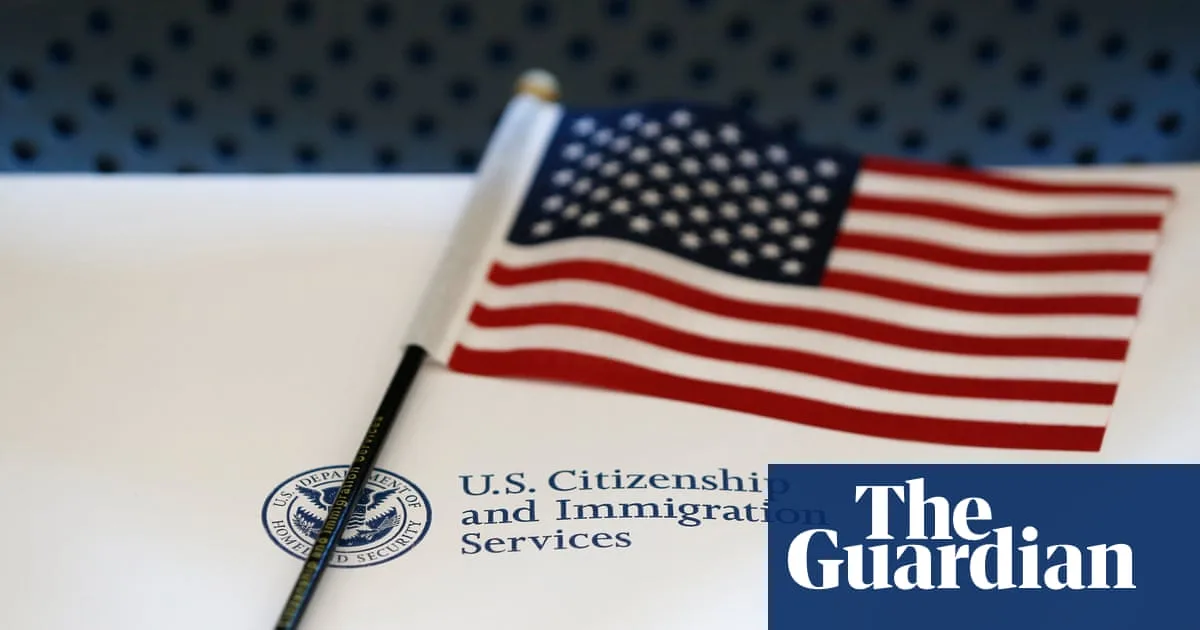
The US Citizenship and Immigration Services (USCIS) announced on May 22, 2026, that foreign nationals seeking to adjust their immigration status to obtain green cards must now apply through the State Department from outside the United States [1, 2, 3]. The policy ends a process unchanged for more than 60 years and requires applicants currently inside the country to return to their home countries to file applications [2].
The Department of Homeland Security stated, "An alien who is in the US temporarily and wants a Green Card must return to their home country to apply," adding the change aims to close loopholes and ensure the immigration system "functions as the law intended" [2]. USCIS officers will assess applicants case-by-case for any extraordinary relief that might be warranted under the new rules [1, 2, 3].
Advocacy groups such as HIAS criticized the policy, warning it would force survivors of trafficking, abused children, and neglected youth back to dangerous situations they fled [1, 2, 3]. Many applicants living in the US already face the prospect of leaving while their cases are processed abroad. This could disrupt families, causing temporary loss of jobs and housing [2].
A Cato Institute analyst said more than 1 million legal immigrants currently in the US are awaiting green cards, underscoring the scale of those affected [2]. The policy is also designed to free USCIS resources to focus on other immigration cases [1, 3].
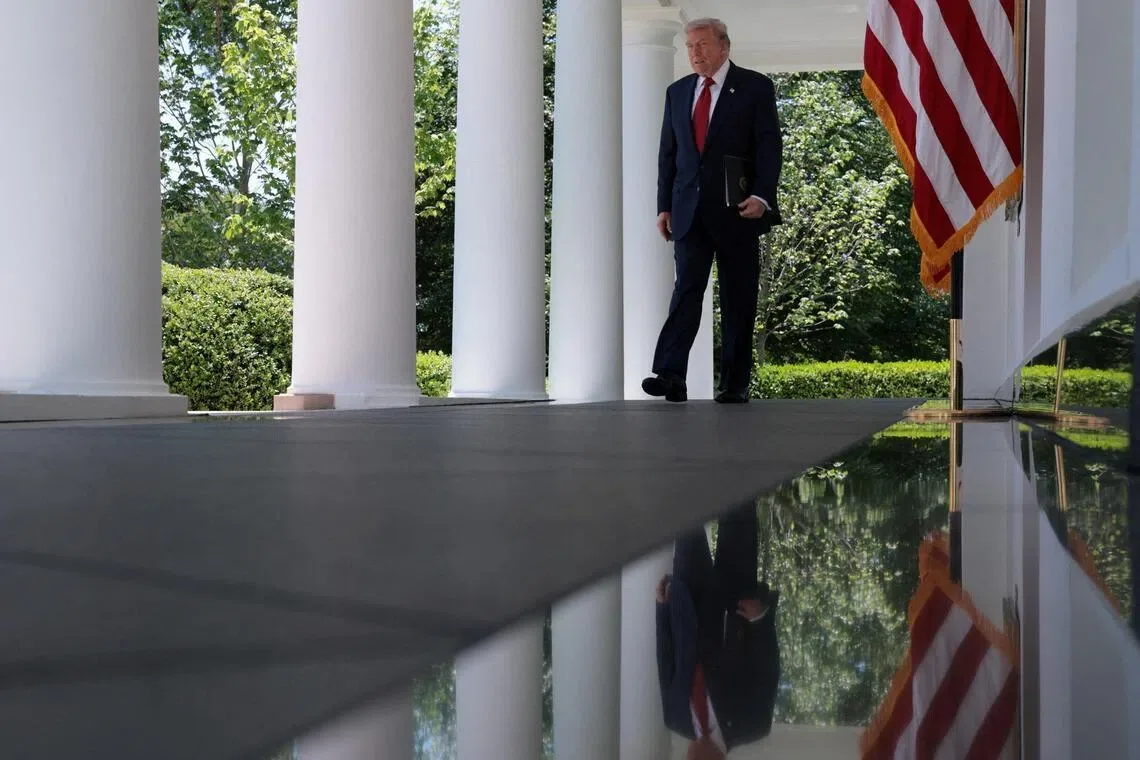
This change follows prior Trump administration actions to tighten immigration restrictions, including shortening visas for students, cultural exchange visitors, and media workers in 2025 [1, 2, 3]. In January 2026, the State Department revoked more than 100,000 visas since Trump took office in 2024 [1, 2, 3].
It remains unclear how the new requirement will apply to green card cases already pending as of the policy announcement [2]. The new rule takes effect immediately and affects all foreign nationals seeking to adjust status to permanent residence.