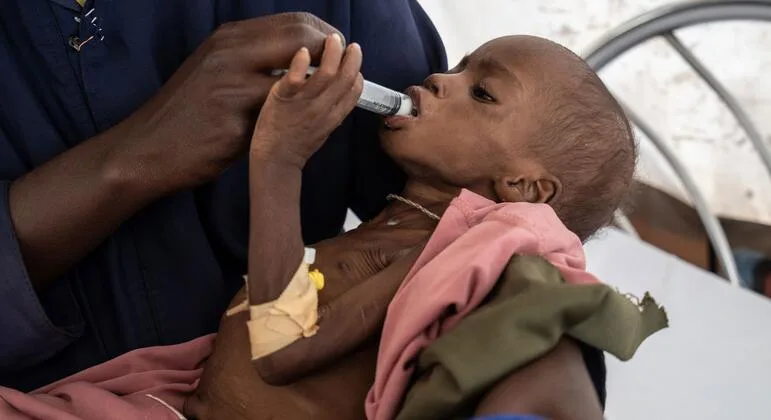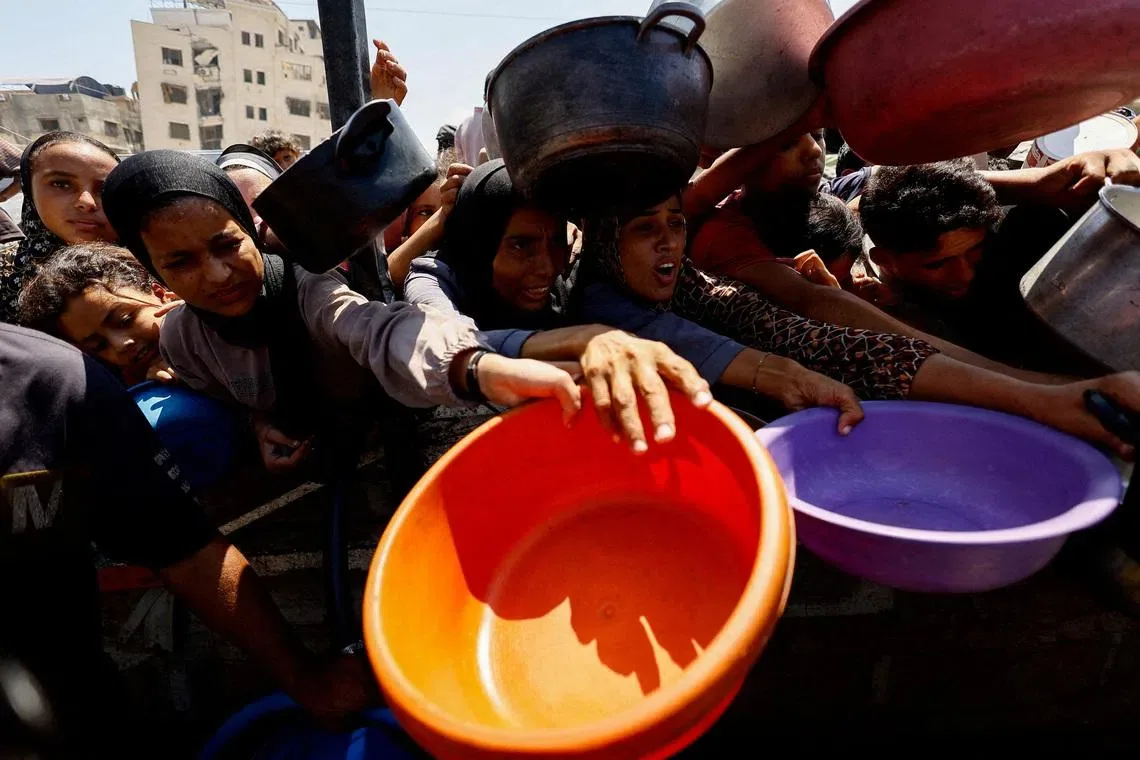
The United Nations on June 17 issued a report warning that 13 global hunger hotspots face intensified risks of famine and acute food insecurity, driven largely by conflict and severe funding shortfalls [1]. Approximately 266 million people across regions including Sudan, South Sudan, Yemen, Somalia, Northeast Nigeria, Gaza, Afghanistan, the Democratic Republic of the Congo, Myanmar, Mali, Lebanon, Madagascar, and Haiti face acute food insecurity, the report said [1, 2, 3, 4].
Six of these locations—Sudan, South Sudan, Yemen, Gaza (Palestine), Nigeria, and Somalia—are at immediate risk of famine without urgent humanitarian intervention [1, 2, 3, 4]. In Sudan, as of May 2026, around 19.5 million people, or 41% of the population, are acutely food insecure. This includes 5 million in emergency status across regions like North Darfur and South Kordofan [2].
South Sudan faces severe hunger April to July 2026, with 7.8 million people (55% of the population) experiencing crisis-level or worse food insecurity [2]. Yemen has over 18 million people in crisis or worse status in 2026 [2]. Nigeria's northeastern Borno state is considered at catastrophic risk, with roughly 34.8 million people facing severe food insecurity from June to August 2026 [2, 3]. Somalia sees severe food insecurity for 6 million people between April and June 2026, with 1.9 million classified under emergency status [2, 3].
Across 12 of the 13 hotspots, armed conflict or violence remains the main driver of food insecurity [1, 2, 3, 4]. Other factors aggravating conditions include drought in Afghanistan, an Ebola outbreak in eastern DRC, conflict escalation in Lebanon in February 2026, and severe weather in Madagascar [2, 3]. The Middle East conflict and Ebola have disrupted livelihoods, markets, and aid access, worsening the crisis [1, 2, 3].
International funding cuts have further deepened the crisis. Between 2022 and 2025, funding for food and agricultural assistance fell by about 59% [1, 2, 3, 4]. The World Food Program’s 2026 funding target exceeds $10 billion but remains unmet, limiting emergency response capabilities [3].
The report highlighted improvements in Gaza since an October 2025 ceasefire but noted conditions remain fragile, with about 1.6 million people still acutely food insecure there [1, 2, 3, 4].
Carl Skau, WFP acting executive director, said, “The warnings in this report cannot be ignored” [1]. Beth Bechdol, FAO deputy director-general, urged “early and scaled-up action to prevent further deterioration” [1].
The UN agencies called for urgent, coordinated humanitarian efforts to avert worsening hunger and famine in the affected regions [1, 2, 3, 4]. Food insecurity is expected to worsen through November 2026 as conflicts continue [1, 3].