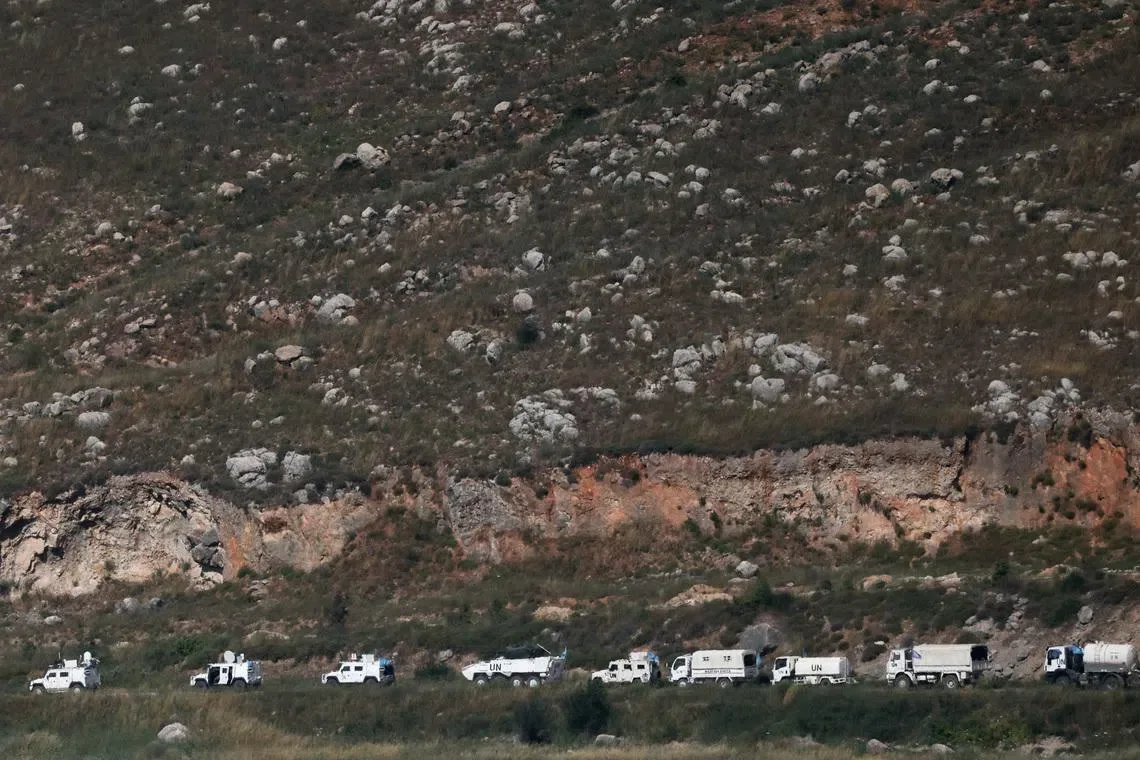
The United Nations human rights office announced it will send a team of investigators to Lebanon next week to assess potential violations of international law and human rights by all parties in the ongoing conflict [1, 2, 3, 4]. UN human rights chief Volker Turk said, "It's the first time that we are sending this assessment mission, and the idea is indeed to look at violations by all parties – violations of international law, violations of international human rights law...and eventually to report back to you on our findings" [1].
Lebanon entered the wider Middle East conflict on March 2, 2026, when Hezbollah launched rocket attacks against Israel, prompting an Israeli military campaign [1, 2, 4]. Since then, more than 3,600 people have been killed in Israeli strikes on Lebanon, and over one million Lebanese have been displaced [1, 2]. Despite a U.S.-declared ceasefire on April 16, fighting has continued, with Lebanon reporting nearly 3,500 Israeli strikes since that date [1, 2].
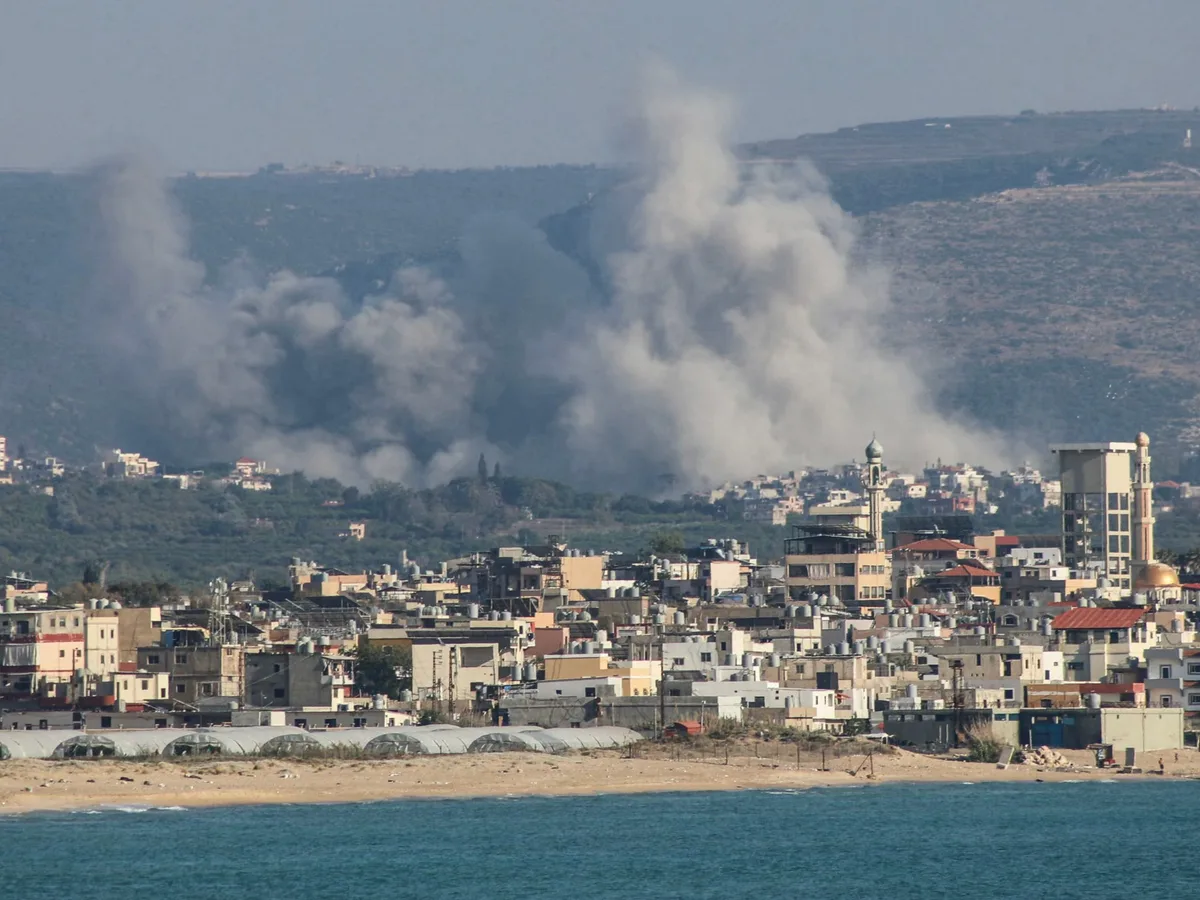
On June 10, Israeli airstrikes killed at least 16 people in southern Lebanon’s Tyre area, including 9 in Tayr Debba village, 3 in Deir Qanoun en-Nahr, and 3 in an attack targeting a mosque and clinic in Deir ez-Zahrani [3]. Activist Obaida Hitto described the situation for civilians seeking to flee the area: "If people try to leave Tyre today and go north, they are at high risk of being targeted by drone strikes. It is an extremely dangerous situation, and there are no reasonable guarantees for civilians trying to journey out of the city" [3].
The UN mission, conducted with the Lebanese government’s consent, aims to produce a fair and independent assessment of violations and document findings [4]. Lebanese Prime Minister Nawaf Salam emphasized in early May the importance of documenting potential crimes and welcomed the visit by Volker Turk [3].
Food insecurity remains severe in Lebanon, with about 1.24 million people expected to face crisis or emergency-level food insecurity through August 2026 [1, 2].
The investigative team is scheduled to arrive in Lebanon next week to begin its work.