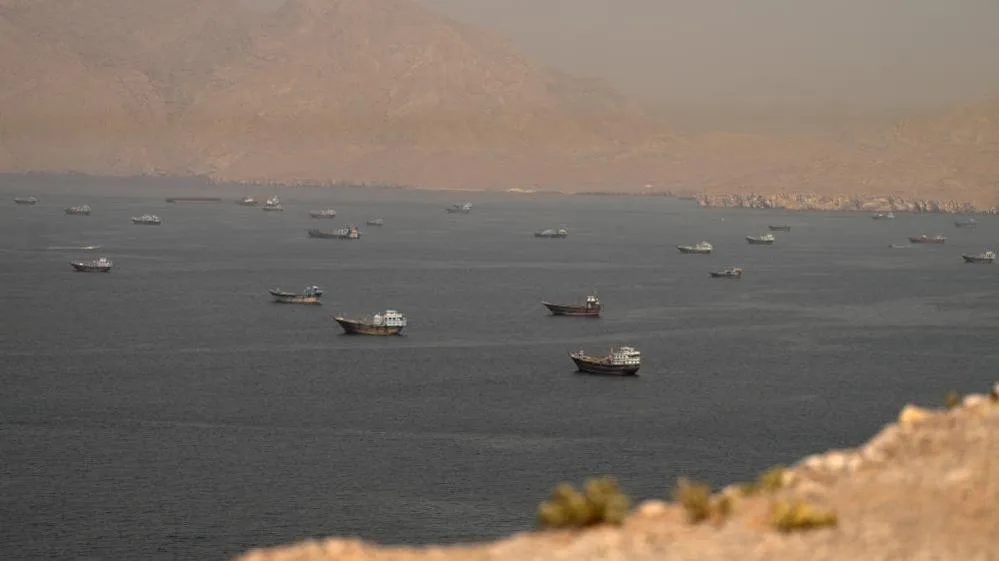
The United Nations' International Maritime Organization (IMO) announced on June 23 that it will evacuate more than 11,000 sailors stranded in the Strait of Hormuz amid ongoing conflict between the US and Iran [1, 2].
The evacuation effort involves cooperation from Iran, Oman, the US, other coastal countries, and the maritime industry. Oman has assured safe navigation through designated routes to facilitate the operation, which has secured necessary safety guarantees [1, 2, 3]. Approximately 600 ships remain stranded in the region, and 14 seafarers have died during the conflict [2].
The Strait of Hormuz saw traffic recover to about 40% of normal peacetime vessel levels by June 22, marking the highest throughput since the war began [4, 3]. Despite this, Iranian negotiator Mohammad Bagher Ghalibaf said the waterway "will never return" to the pre-war status quo, even as talks continue to establish communication lines between parties [4, 3].
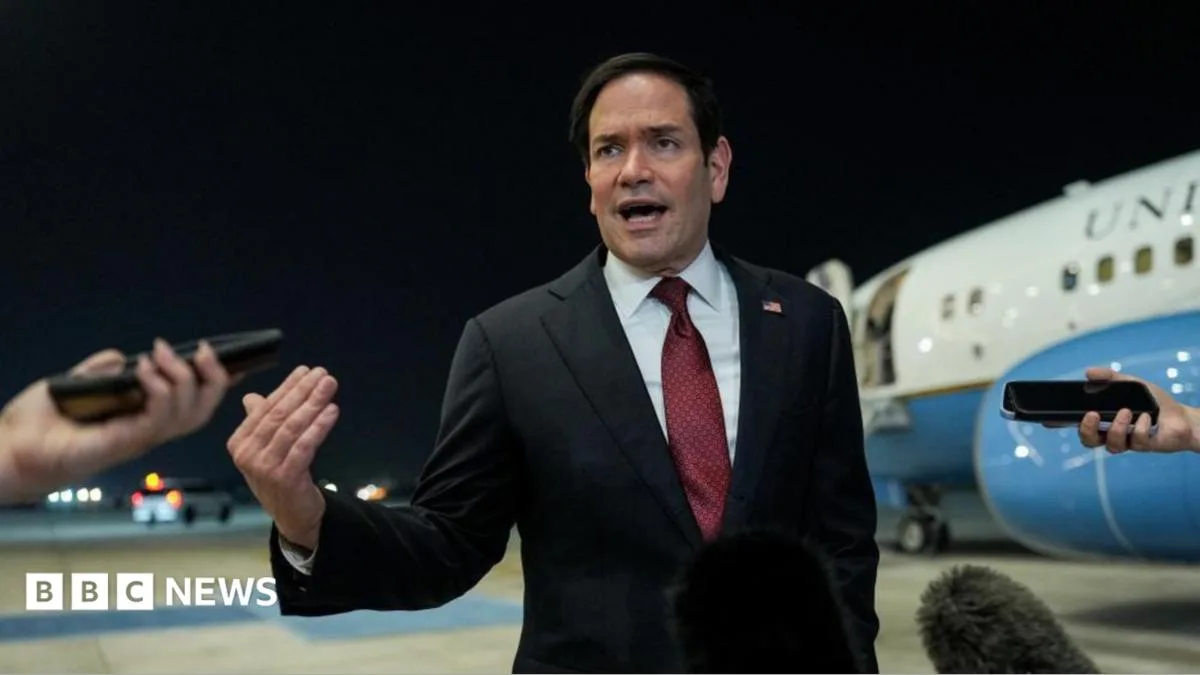
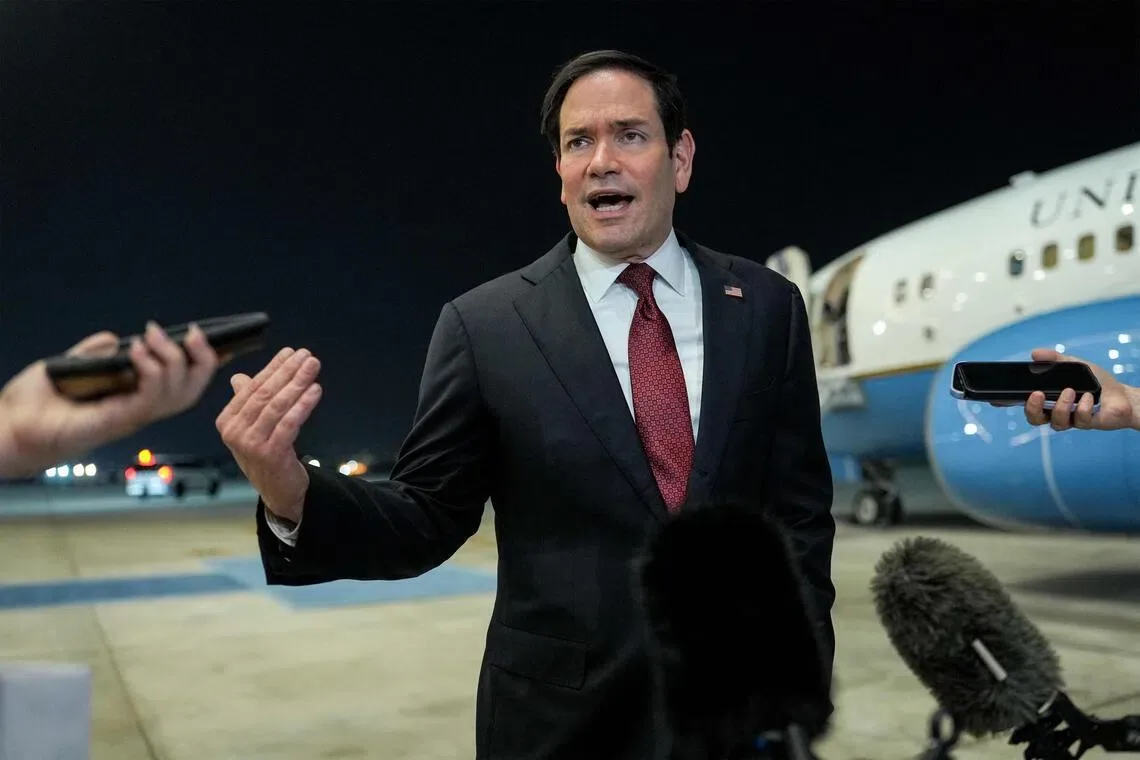
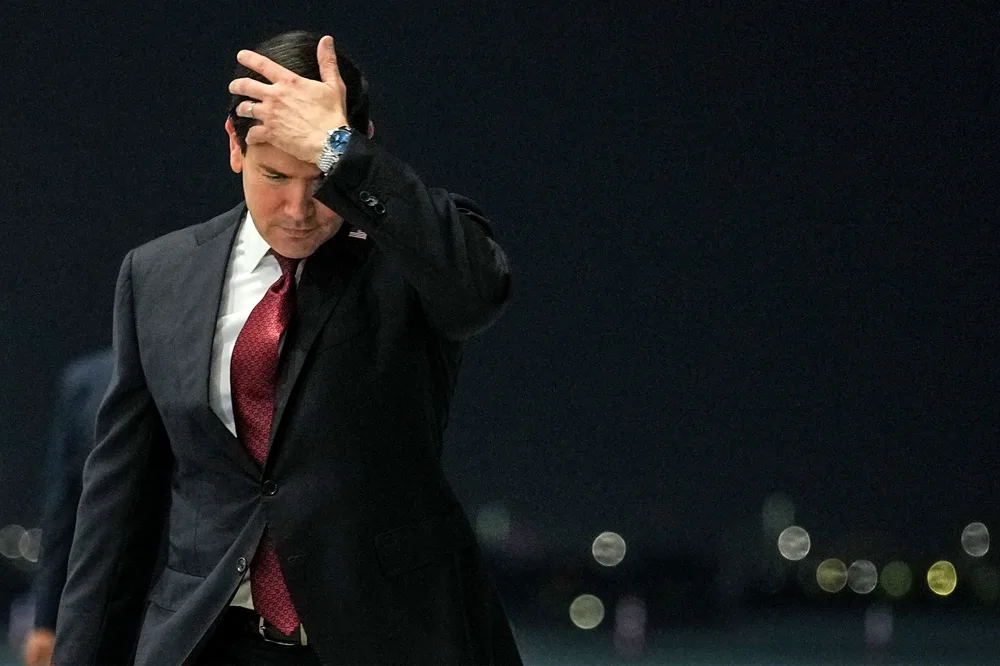
US Secretary of State Marco Rubio began a tour of the Gulf on June 23, reaffirming Washington's opposition to Iranian demands for tolls or fees on the Strait. Rubio said, "It's an international waterway. No country is allowed to charge tolls or fees on an international waterway. I believe all the countries in this region would agree." [1, 4, 2]
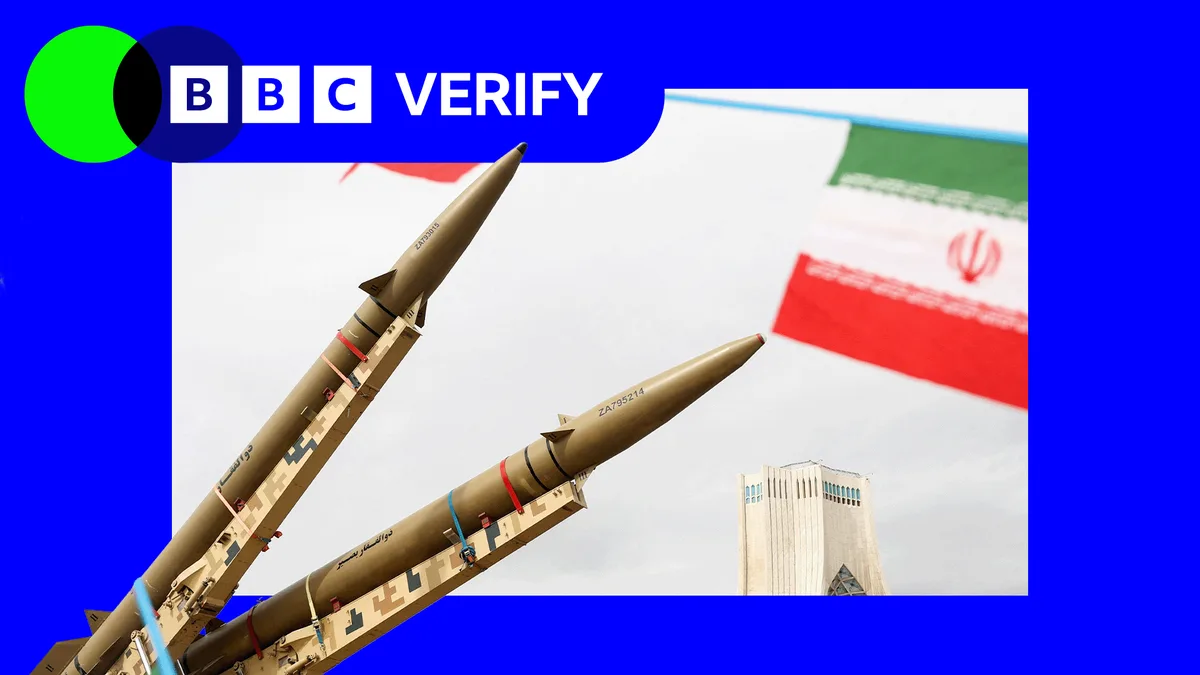
In response, Iran and Oman issued a joint statement declaring their intention to study administration and levying fees for the Strait, asserting sovereignty over the waterway [4, 3]. Iranian President Masoud Pezeshkian declared that Iran "will never negotiate with anyone, under any circumstances, ever, about our defensive capabilities." He added that without Iran's missiles, "Israel and the United States would have ploughed Iran just like Gaza" [1, 3].
The US and Iran recently signed a preliminary ceasefire agreement and are engaged in a 60-day negotiation period to address sanctions, nuclear issues, and other conflicts [1, 4, 3]. However, disagreement persists on inspections of Iran's nuclear sites damaged by US and Israeli strikes. The US claims Iran agreed to robust IAEA inspections, while Iran denies any such approval [1, 4].
The evacuation by the IMO is the first major humanitarian operation in the Strait since the conflict escalated, aiming to safely remove stranded crews as talks continue. The negotiation period established by the ceasefire deal remains ongoing.