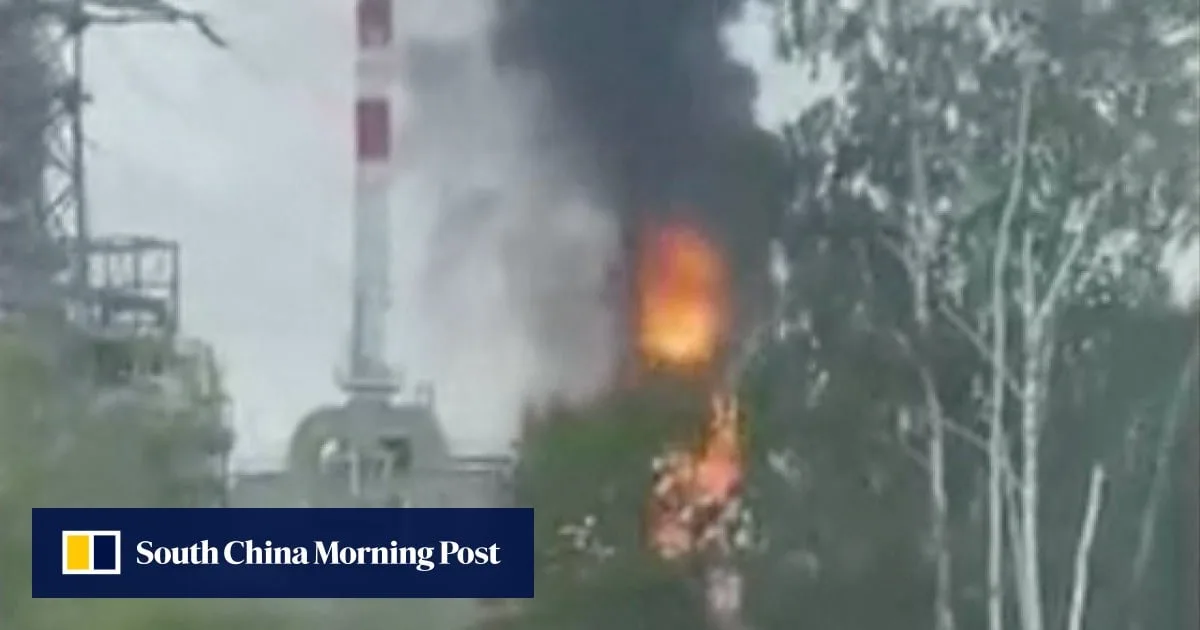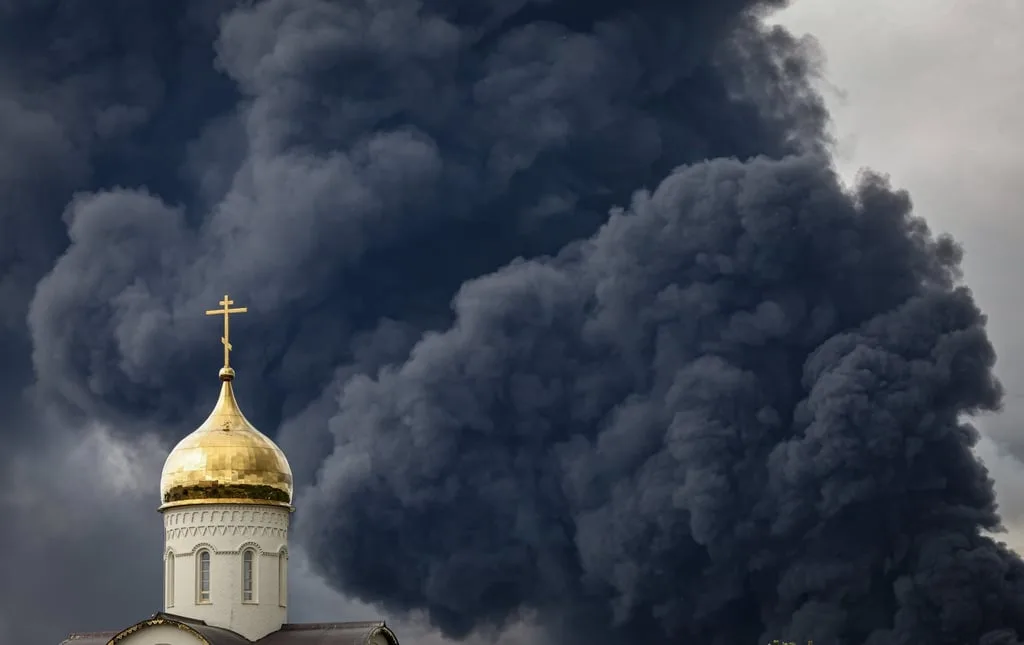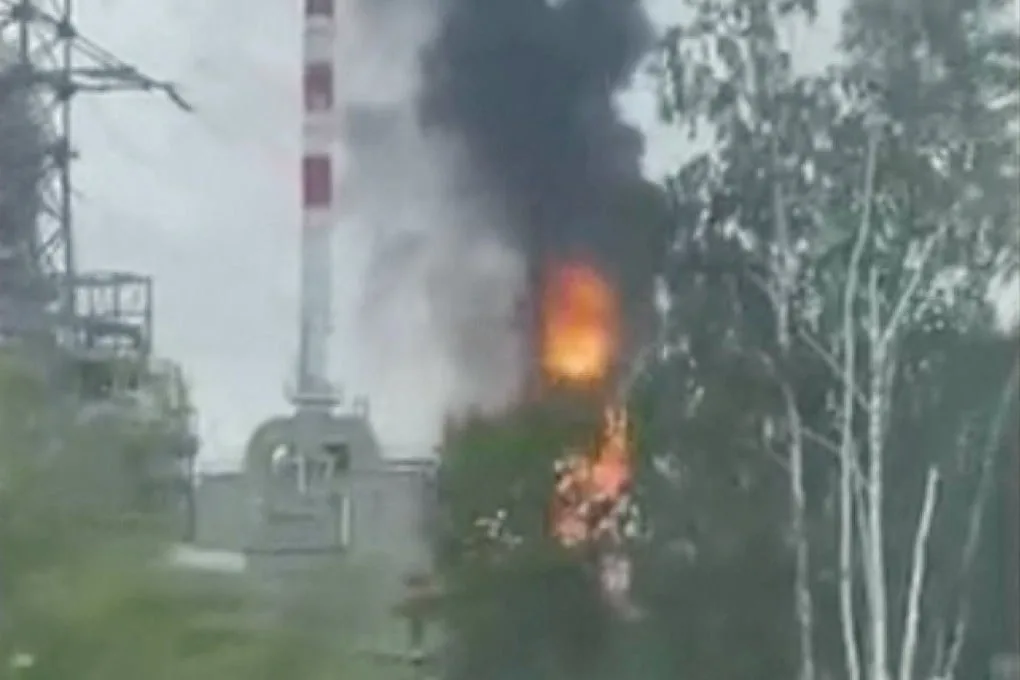
Russian air defenses repelled a drone attack on June 20 at an oil refinery in the Tyumen region of Western Siberia, causing no reported damage and prompting evacuation of staff, according to Alexander Moor, Governor of Tyumen Region. He said, "Emergency services are working at the site where the debris fell. According to preliminary information, the refinery has not been damaged and staff have been evacuated" [1].
Ukrainian President Volodymyr Zelenskiy confirmed that Ukrainian forces conducted the strike on the Tyumen oil refinery, located more than 2,000 kilometers from Ukraine's border. He said, "We have reached Tyumen Region in Russia, including an oil refining facility. More than 2,000 km from our state border. This is effective work" [2, 3].
Zelenskiy also announced that Ukraine has deployed new long-range drones with a range of up to 3,000 kilometers. "They can now reach targets at a distance of 3,000 km. These are entirely justified responses to Russian strikes against our state. Ukraine's plan of long-range operations is being implemented," he said [2].
The Tyumen refinery is one of Russia's most modern and complex, with a nominal processing capacity of about 8 million metric tons per year [1, 2]. The attack marks a significant demonstration of Ukraine’s advancing drone capabilities to strike deep inside Russian territory.
No casualties or damage to the refinery have been reported so far. Following the failed attack, emergency teams worked to secure the area after drone debris fell near the site [1].
The June 20 strike is part of Ukraine’s ongoing strategy to target Russia’s oil infrastructure with long-range drone operations designed to disrupt energy supplies and exert pressure beyond immediate frontline zones [2, 3].