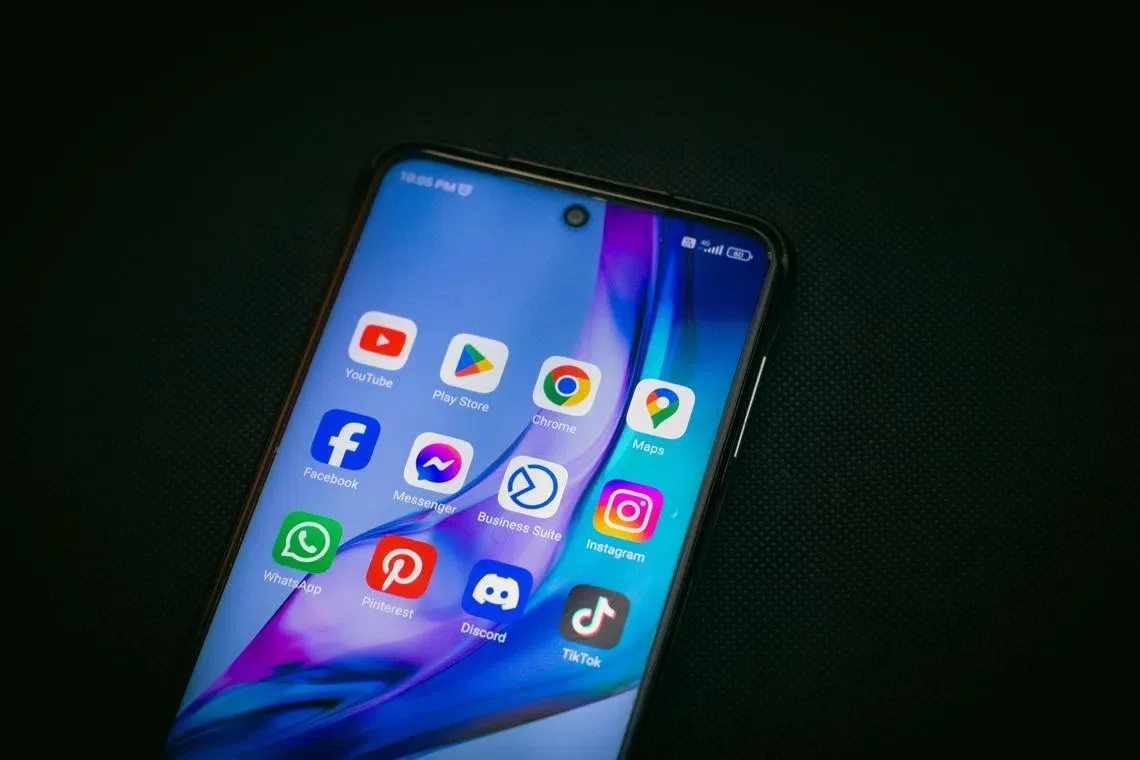
The UK government announced on June 22 it is considering a new rule requiring social media companies such as Meta’s Facebook, YouTube, and TikTok to prioritize content from public service broadcasters like the BBC, ITV, and Channel 4 in user feeds and search results [1, 2, 3]. This measure follows the government’s ban, announced a week earlier on June 15, on under-16s using most social media platforms [1, 2, 3].
Data from the regulator Ofcom shows social media is now the main news source for most UK adults and about three-quarters of 16 to 24 year olds [1, 2, 3]. A 2024 Ofcom study found that 40% of UK adults encounter misinformation online each month [1, 2, 3]. The government aims to use the new proposals to reduce misinformation spread by boosting the visibility of trusted, regulated public service media.
UK Culture Minister Lisa Nandy said, "It is vital that we make sure that people have better access to trusted and accurate news and that our regulated public service media is seen and heard in the fierce battle against mis- and disinformation" [1]. She emphasized that regulated broadcasters play a key role in providing reliable news, especially during crises [1, 2, 3].
Social media companies may resist the rules, arguing they could override user choice and disadvantage other content creators [1, 2, 3]. Platforms including X (formerly Twitter), Meta, TikTok, and YouTube have not yet responded to requests for comment [1, 2, 3].
The proposals are part of a wider overhaul of Britain’s public service media system designed to help traditional broadcasters compete with streaming services and adjust to changing viewing habits [1, 2, 3]. The government is also considering extending public service media status to online-only providers, extending free-to-air protections for major sports to on-demand viewing, and consulting on shifting to internet-based TV by 2034 or 2044 [1, 2, 3].