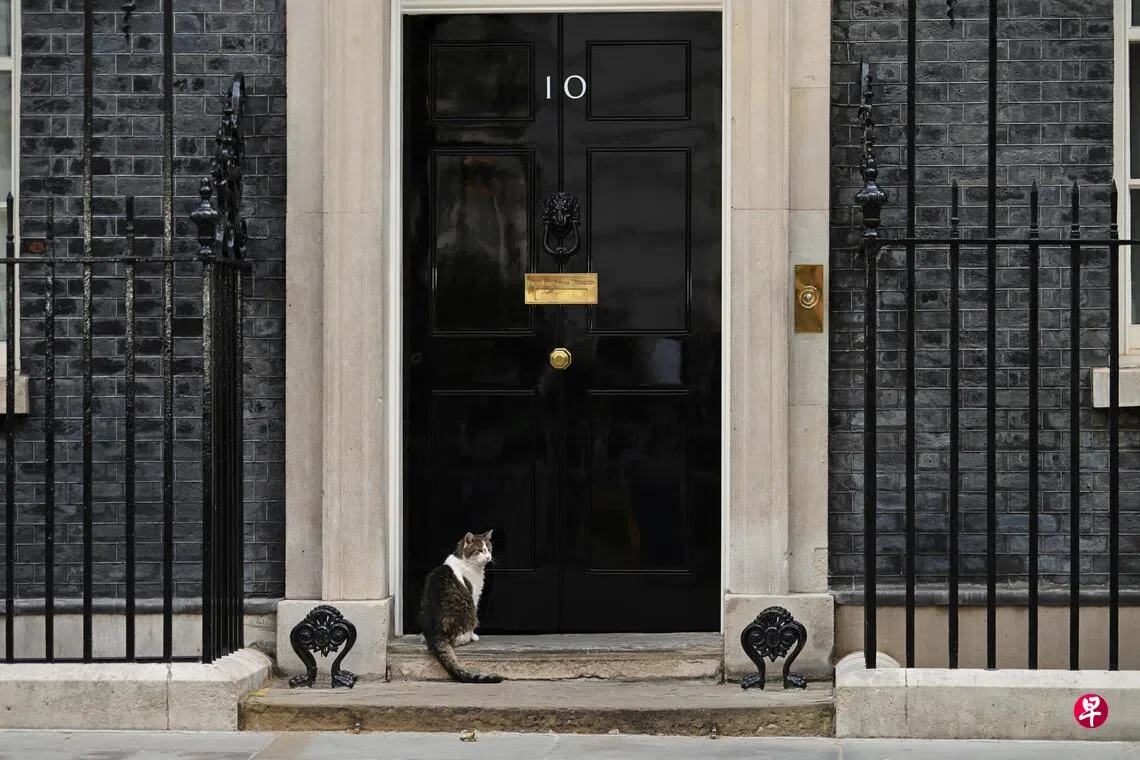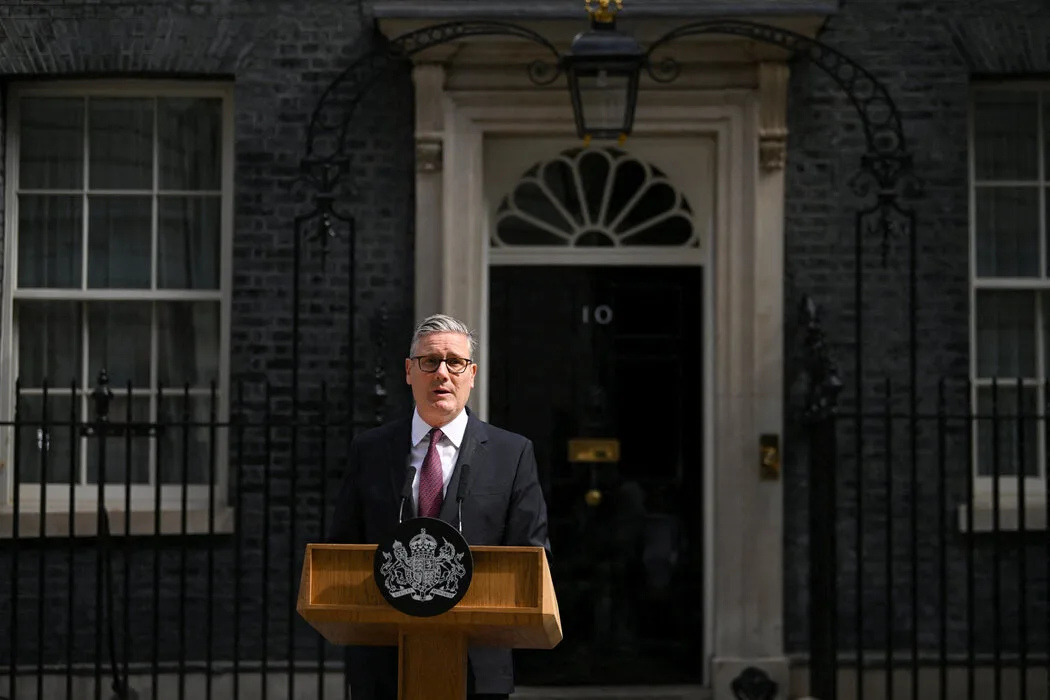
UK Prime Minister Keir Starmer announced his resignation on June 22, 2026, declaring he will remain in office until a successor is chosen [1, 2, 3]. He also stepped down as leader of the Labour Party, with a leadership election set to conclude by September 2026 [1, 3]. Starmer, 63, gave an emotional speech outside 10 Downing Street, saying "两年前沿着唐宁街前行,是我一生中最自豪的时刻," reflecting pride in his nearly two years as prime minister [1, 2].
The resignation came after intense internal pressure, with over 100 Labour MPs publicly calling for his departure or a clear timetable for leaving office [4, 5, 3]. Key cabinet members, including Transport Secretary Grant Shapps and Home Secretary Suella Braverman, also urged Starmer to resign or set a departure date [4, 6, 7]. Despite this, Starmer had repeatedly vowed not to resign voluntarily, stating, "如果有竞争,是的,我会参选," and committed to contest any leadership challenge [4, 6, 7, 5].
His leadership was marked by a landslide Labour victory in July 2024 but later weakened by scandals, unpopular policy shifts, and declining poll ratings [5, 8, 3]. Starmer’s departure makes him the seventh UK prime minister over roughly 10 years, underscoring a period of political instability [5, 8, 2, 3].
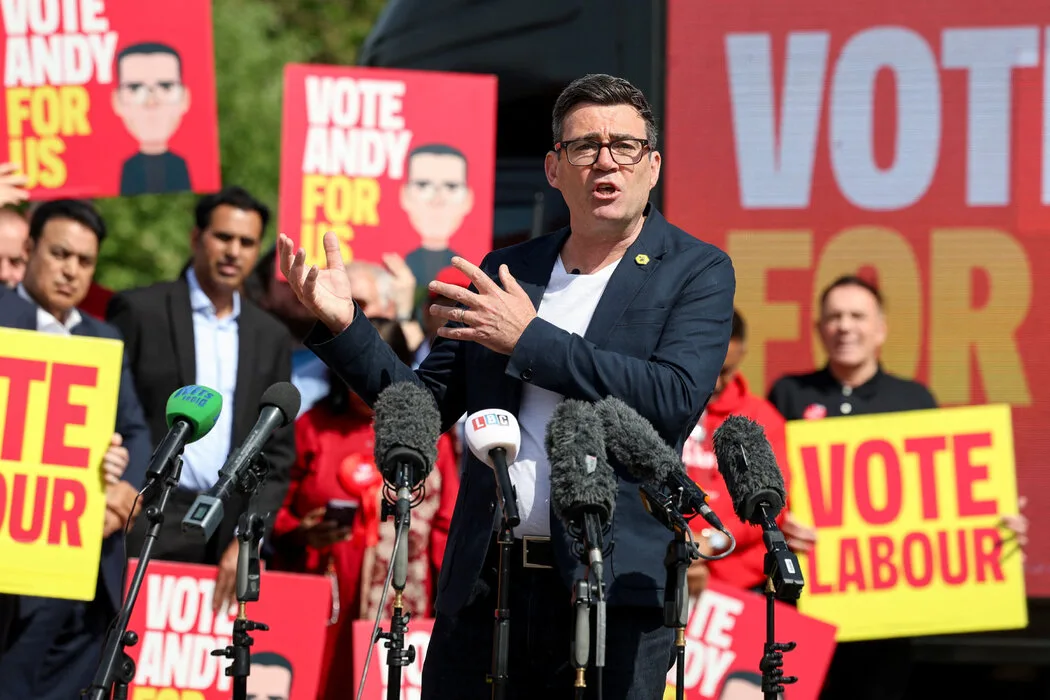
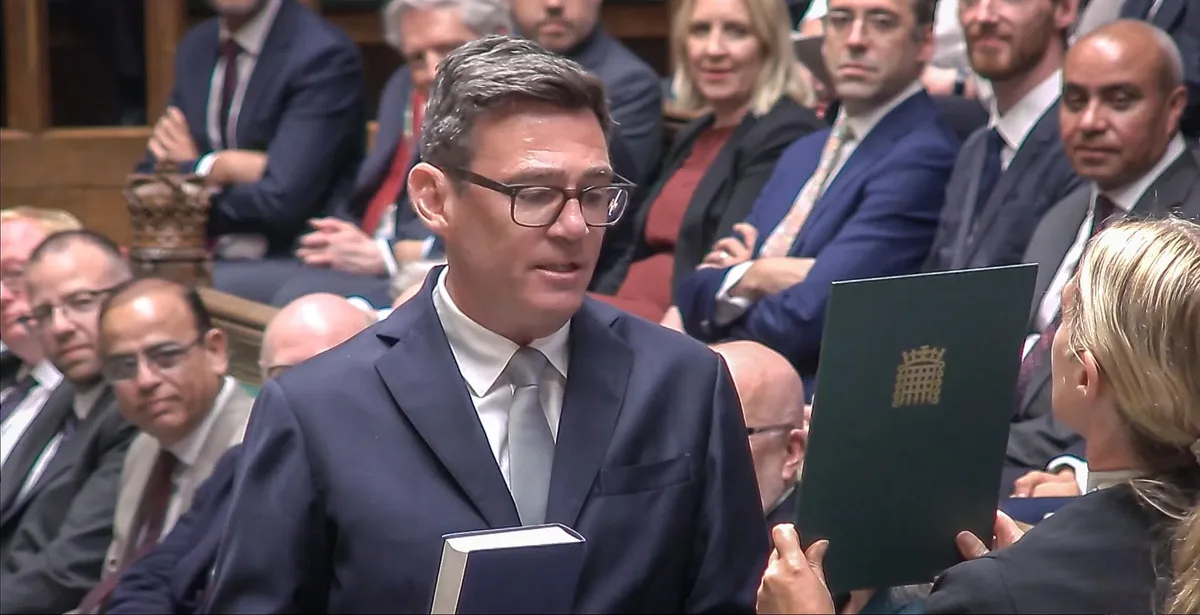
Andy Burnham, the 56-year-old former Greater Manchester mayor, won the Makerfield parliamentary by-election on June 19 and returned to Parliament [4, 6, 7, 3]. On the same day as Starmer’s resignation, Burnham announced his candidacy for Labour leader, positioning himself as the favorite to succeed Starmer [3, 9, 10]. Burnham, a prominent Labour figure since 2001 who ran unsuccessfully for leader in 2010 and 2015, has strong northern England support and calls himself "King of the North," focusing on devolving regional power [4, 9, 10].
Former Health Secretary Wes Streeting initially considered running but ultimately endorsed Burnham [3, 9, 10]. The Labour leadership election is expected to conclude with a new leader announced by July 9 [1, 3].
The party now faces a quick transition amid public frustration over frequent prime minister changes. UK Liberal Democrat leader David said, "英国人已经厌倦首相频繁更迭,却没有带来任何实质改变。这次必须有所不同," capturing widespread voter impatience [10].
Labour will hold its leadership election results in early July, setting the stage for the next prime minister as Starmer formally steps down.