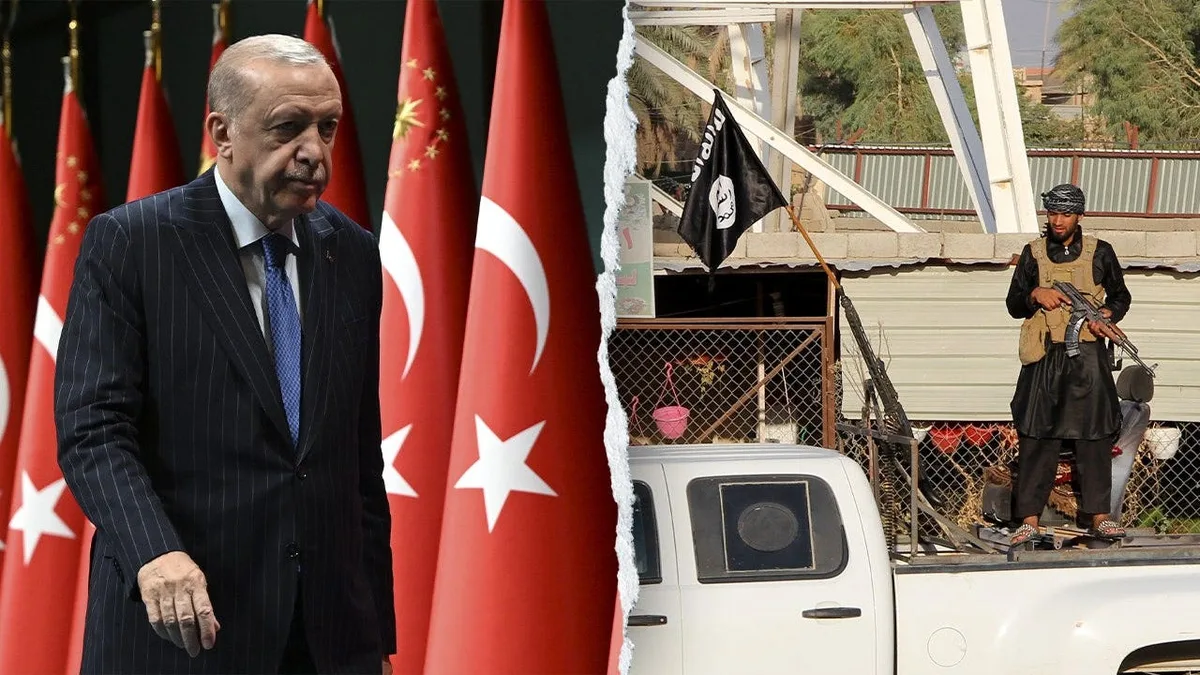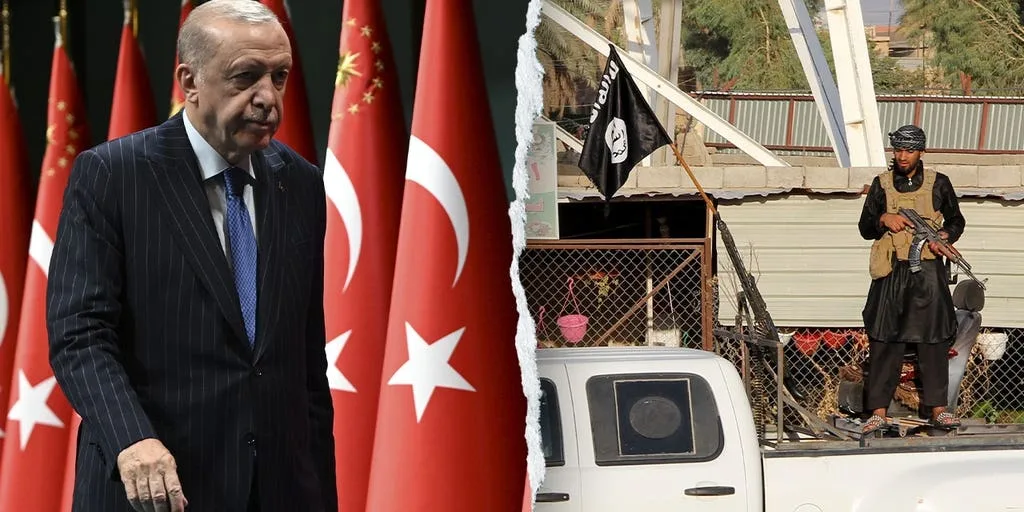
Turkish police arrested 209 suspects in Ankara on June 23 in operations targeting Islamic State (ISIS) members and far-left militants, officials said [1, 2, 3, 4]. Authorities issued 241 arrest warrants and are still searching for the remaining suspects [2, 3, 4].
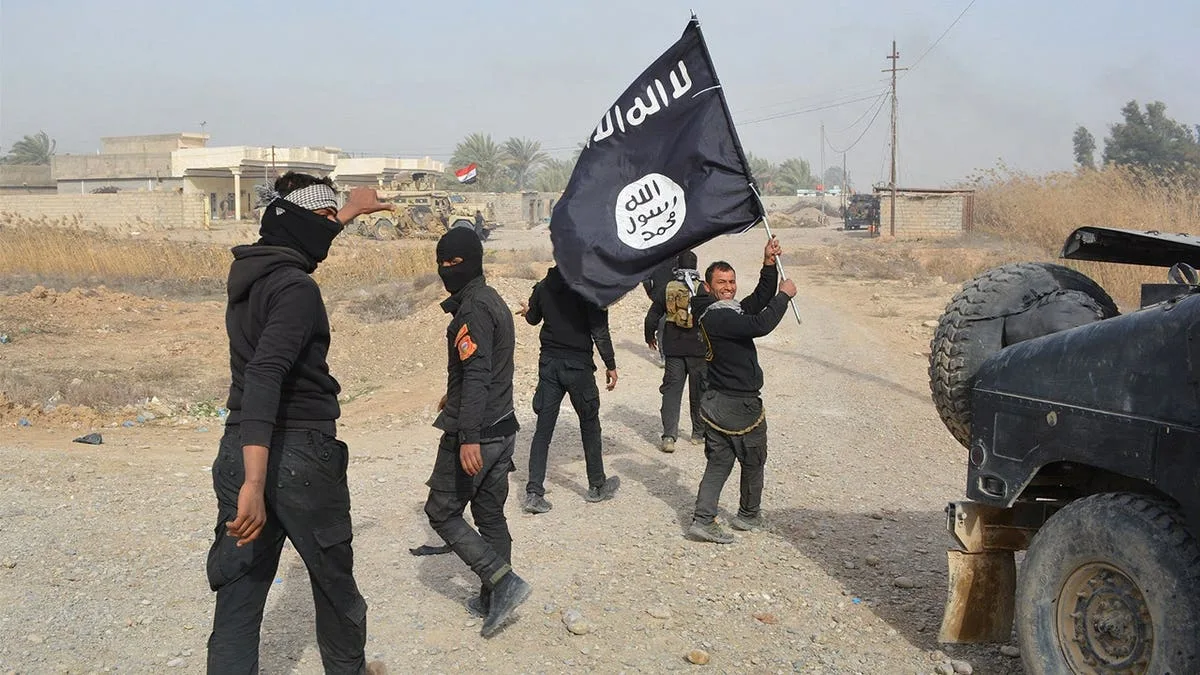
Among those detained, 56 are alleged ISIS members and 35 belong to the Revolutionary People's Liberation Party/Front (DHKP-C), a designated far-left terrorist group [1, 3, 4].
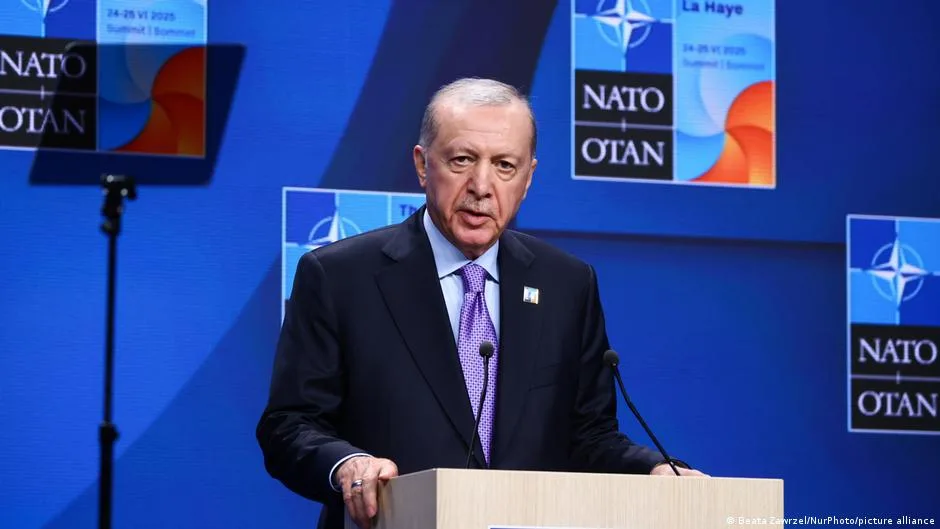
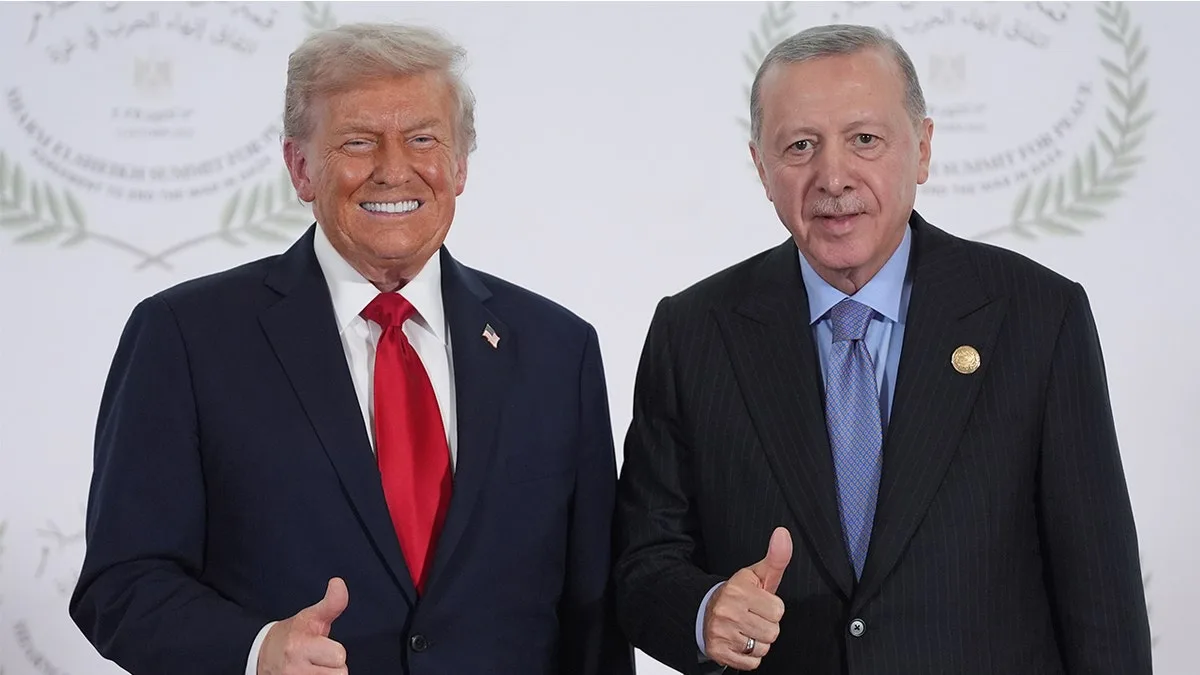
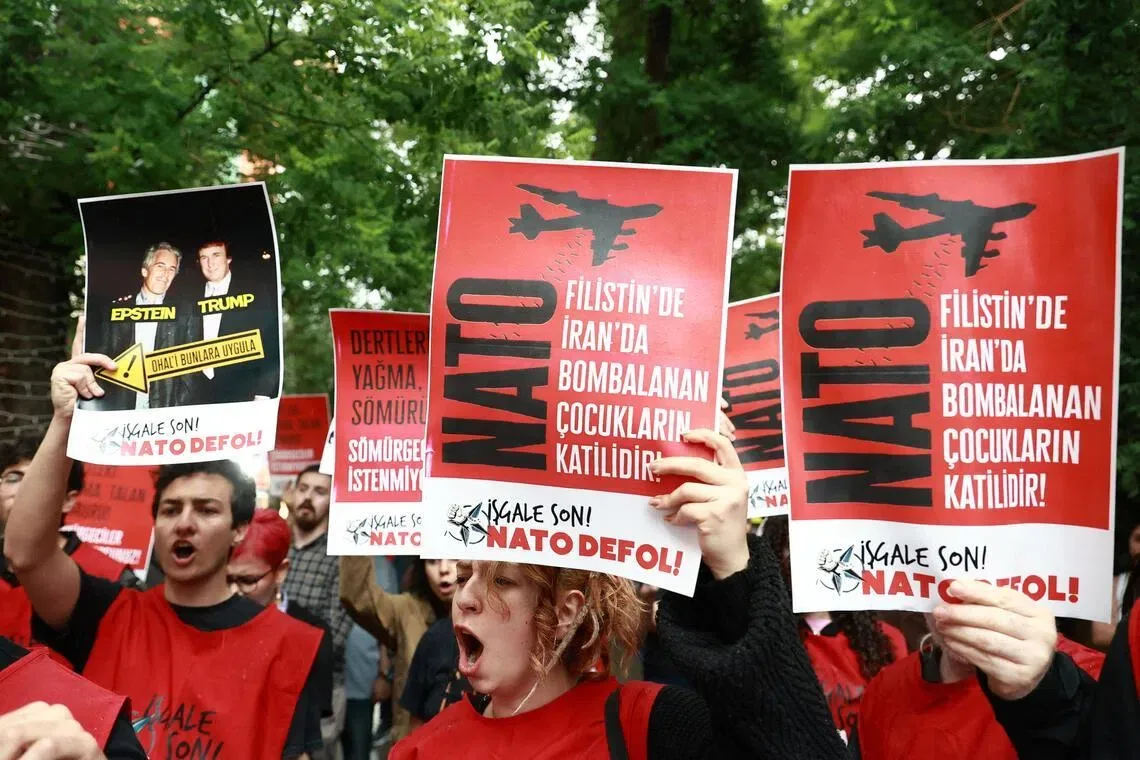
The raids are part of security measures linked to the upcoming NATO summit scheduled for July 7-8 in Ankara, which will host leaders from 32 member states, including US President Donald Trump [1, 3, 4]. The Ankara governor’s office announced a ban on all public demonstrations from June 28 until the end of the summit, July 10 [1, 2, 3].
Rights groups reported that journalists, LGBTQ+ activists, leftist politicians, and lawyers are among those detained, sparking criticism from NGOs and opposition parties [2]. The pro-Kurdish DEM Party said, "NATO summit preparations are being used as a pretext to restrict democratic politics and fundamental freedoms" [2].
Turkey has previously conducted large-scale anti-ISIS operations, detaining 125 suspects in December 2025 and 324 in May 2026 across the country [3, 4]. US President Donald Trump emphasized the ongoing fight against ISIS, highlighting the capture of a senior ISIS leader in Africa: "Abu-Bilal al-Minuki, second in command of ISIS globally, thought he could hide in Africa, but little did he know we had sources who kept us informed on what he was doing" [4].
The authorities said the detentions aim to prevent threats ahead of the NATO summit and maintain security in the capital [1, 3]. The crackdown continues as remaining suspects are sought and the demonstration ban takes effect starting June 28, lasting through the summit period.