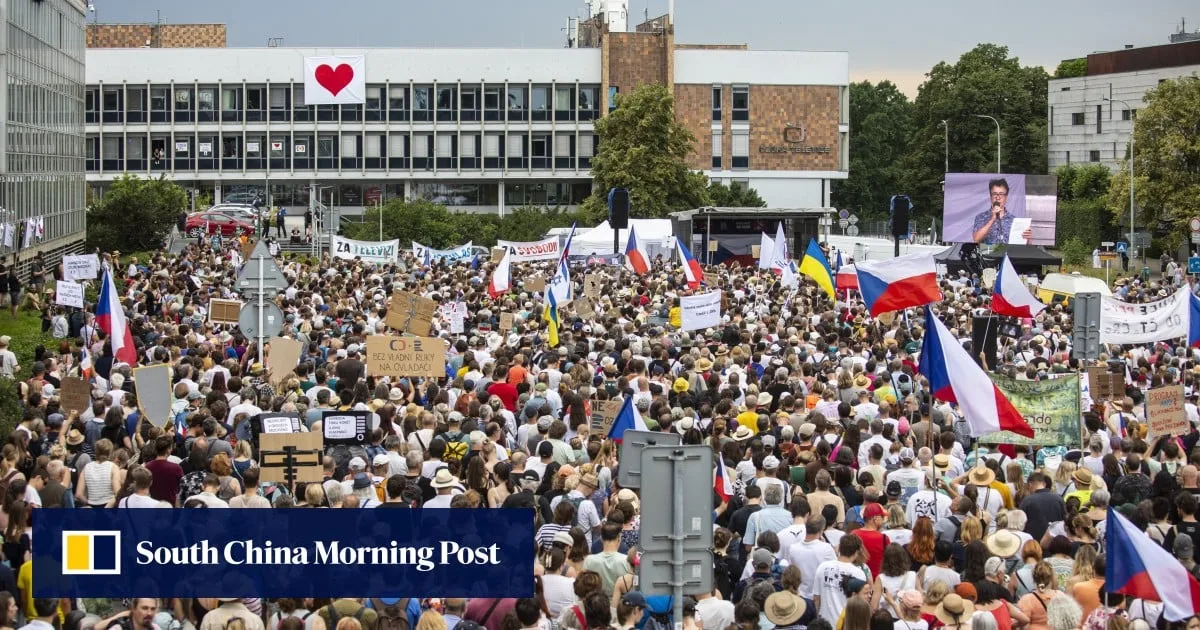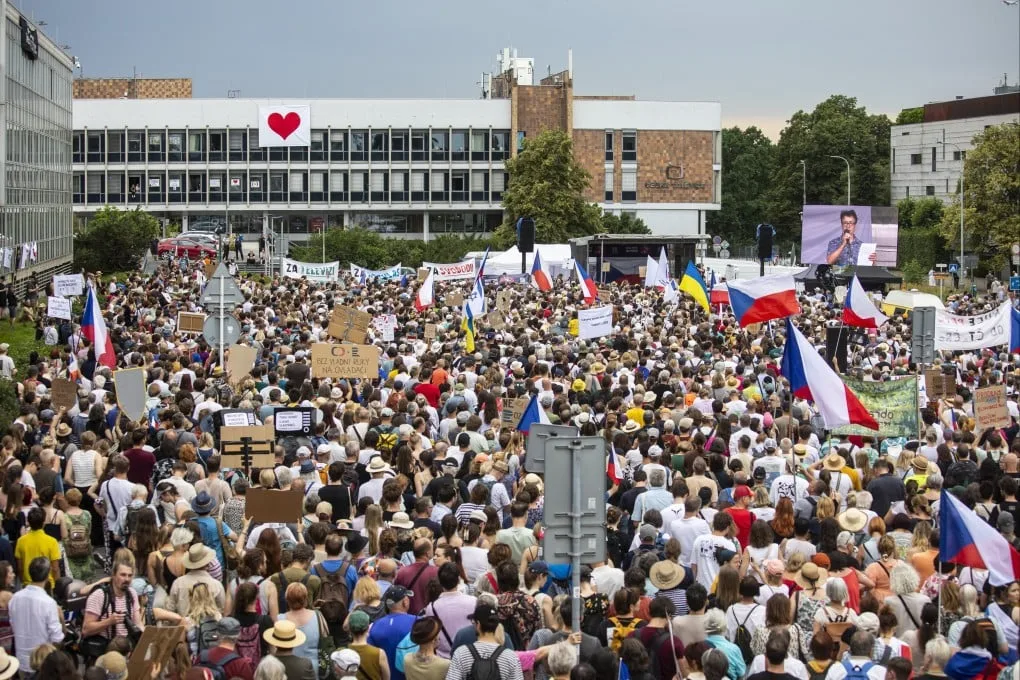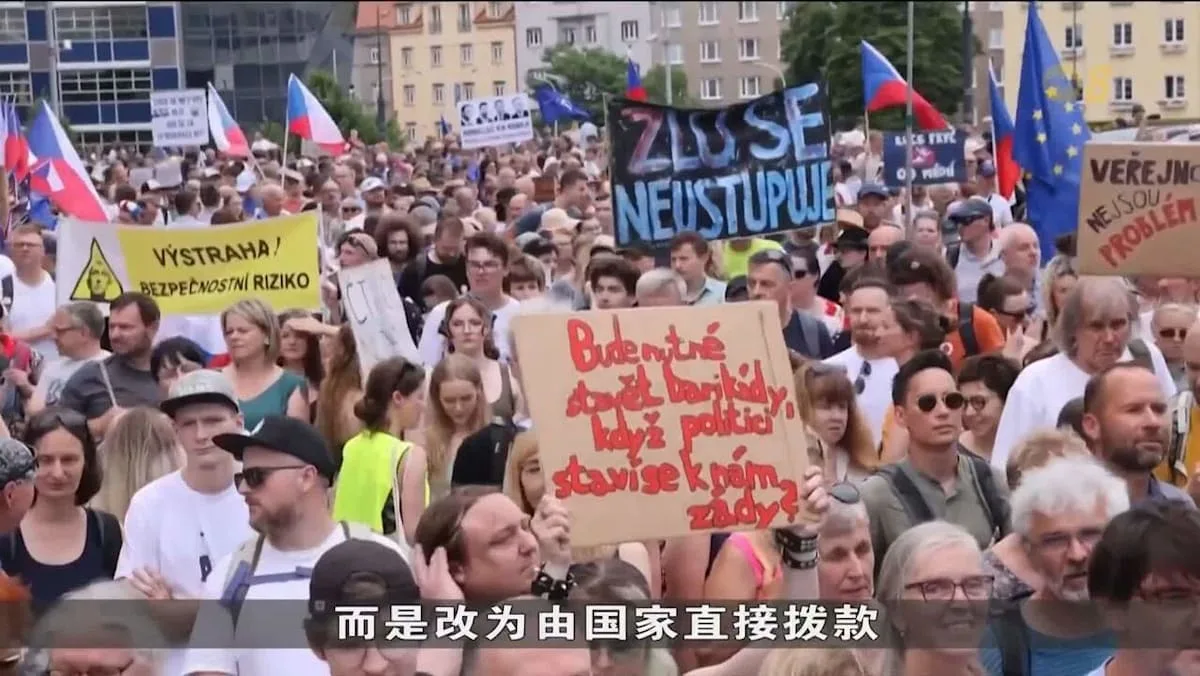
Thousands of protesters gathered in Prague on June 21 to oppose the Czech government’s plan to end licence fees for public television and radio and shift funding to the state budget starting next year [1, 2, 3, 4]. The government approved the financing overhaul in mid-June under Prime Minister Andrej Babis and his populist ANO party with right-wing allies [1, 2, 4].
Critics say the change threatens the independence of public media and opens the door for political interference [1, 2, 3, 4]. Mikulas Minar, a representative of the protest-organizing citizen group Million Moments, said, "Media does not belong to politics" and added, "The media don’t belong to politicians. They belong to us all and we won’t allow them to be stolen from us." [1, 2]. An unnamed media worker reiterated concerns about democracy and media freedom in a statement the same day [3].
The funding shift will cut public media budgets by about 15%, returning levels to those between 2008 and 2024 before a fee increase in 2025 [1, 3, 4]. Czech Television’s chief warned that the cuts could force layoffs of between 300 and 500 employees out of its 2,900 total staff [1, 3, 4].
Workers at Czech Television and Czech Radio planned strike action starting June 22 to protest the changes. The strike may disrupt programming but is expected to keep the stations on air [1, 4].
Despite the large turnout, a heatwave that day shortened the march route [1, 4]. The government denies that the funding overhaul threatens independence of Czech Television or Czech Radio [1, 3, 4].
The strikes beginning June 22 will mark the next major development in the dispute over public media funding in the Czech Republic.