Thailand plans to cut the 60-day visa-free tourist stay to 30 days for visitors from 93 countries, aiming to curb misuse of visas and illegal activities by foreigners, officials said in May 2026 [1, 2, 3, 4, 5, 6].
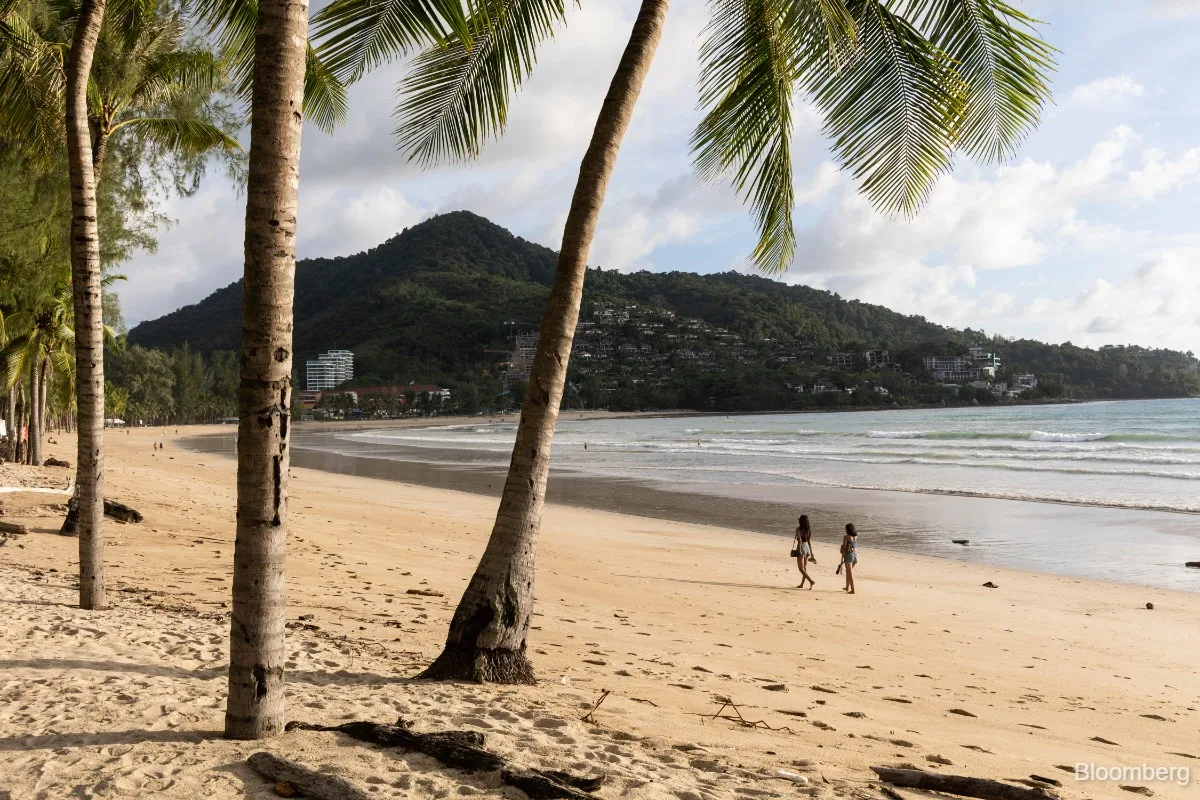
Prime Minister Anutin Charnvirakul ordered a working group to review visa regulations, including long-term, investment, student, and digital nomad visas [1, 2, 3]. Anutin visited Phuket earlier this month, pledging a crackdown on foreign "thugs" running illegal businesses on public beaches [1, 2, 3, 4]. Authorities recently arrested 33 foreign nationals, including 13 Russians and 12 Chinese, on charges related to illegal beach businesses in Phuket [1, 2, 3, 4]. A Chinese national was also arrested in Pattaya for possession of arms [1, 2, 3, 4].
The current 60-day visa-free stay had been introduced in July 2024 to boost tourism after the pandemic but was used by a minority of tourists. Over 90% of visitors stay fewer than 30 days; only about 10% use the full 60-day allowance [6]. Thai Foreign Minister Sihasak Phuangketkeow said, "We think 60 days may be too long. Some people who are not real tourists may use the visa exemption to do illegal activities. We want to strengthen control." He added the policy targets behavior, not nationality: "The government is not targeting any particular nationality. The focus is on behaviors that may cause problems for Thai society and setting visa days appropriately." [5, 6]
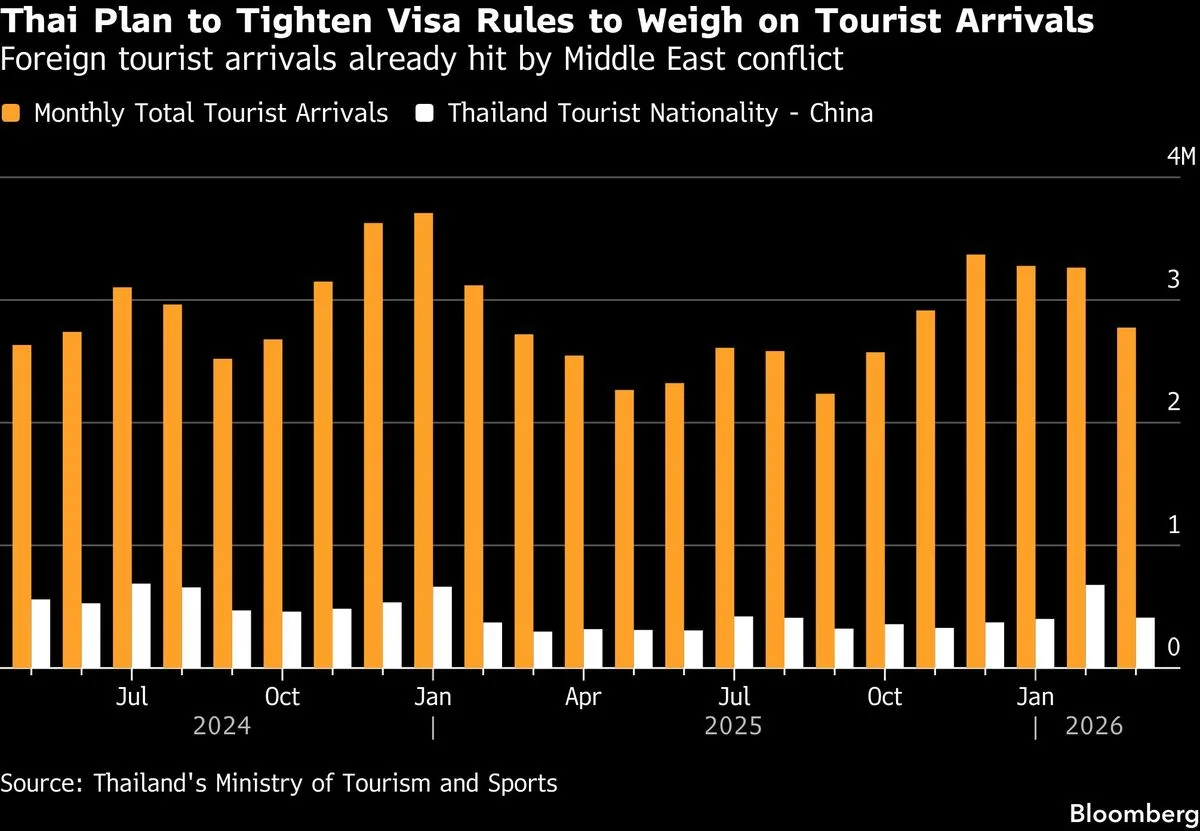
The visa revision reflects complaints from local businesses about foreigners misusing visas for prohibited commercial activities or crime [1, 2, 3, 4]. Thailand earned nearly US$50 billion from 33 million foreign visitors in 2025, making visa restrictions a delicate issue balancing economic and security concerns [1, 2, 3].
Thailand plans to re-evaluate visa categories, possibly consolidating some, and shift long-stay demands to a new "Thailand Destination Visa" for digital nomads and long-term residents with income proof [5, 6]. The government may also reduce visa-free stays further to 15 days for "high-risk" countries, though this remains under consideration [6].
Prime Minister Anutin said on May 11, "Free visas are not about unconditional entry. We need to find the best balance," emphasizing the need to protect legal tourism revenue while controlling illegal behavior [2, 3]. He also stated, "We weren’t looking to completely scrap free visas as Thailand can still generate enormous revenue from foreign tourists entering the country legally." [1]
Thailand is expected to submit its visa policy adjustment proposal to the cabinet for approval later this month before implementing the changes [6].