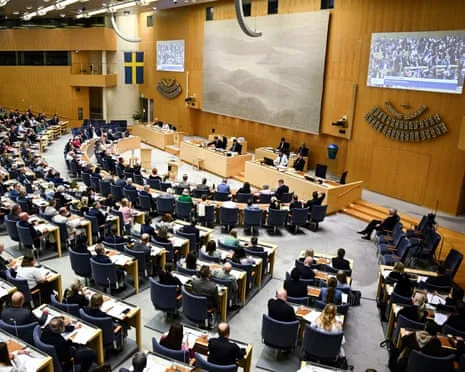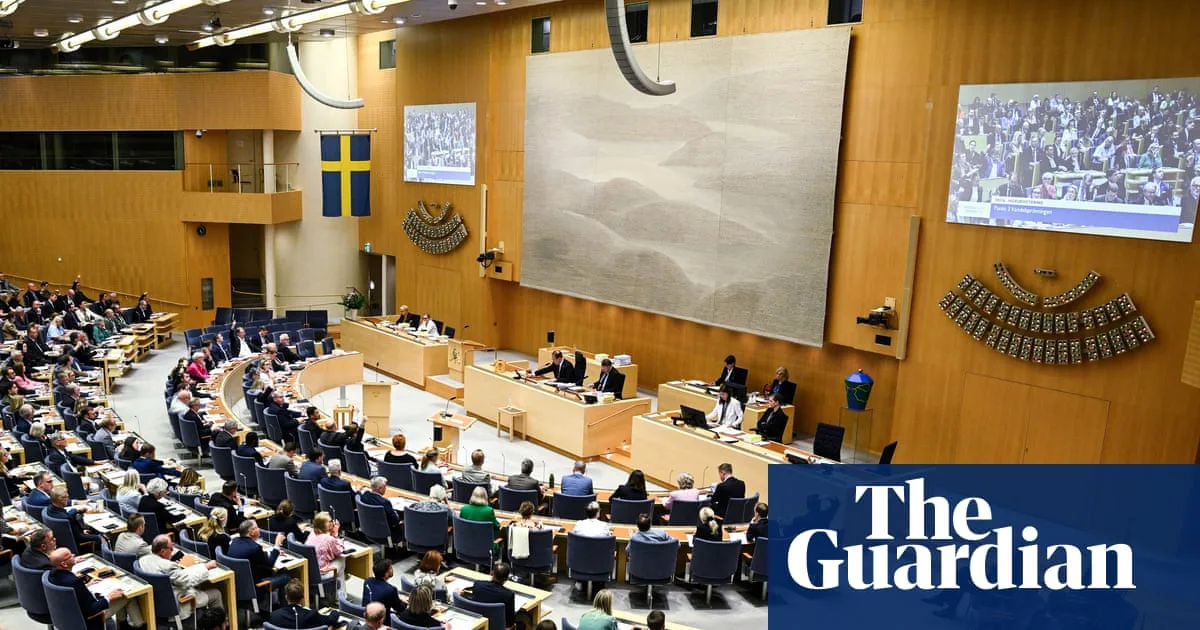
Sweden's parliament passed a law on June 15, 2026, allowing authorities to revoke immigrants' residency permits based on bad behaviour such as unpaid debts, undeclared work, links to extremist groups, and criminality [1, 2, 3]. The law applies to pending, future, and many already granted permits, reaching retroactively back [1, 2, 3].
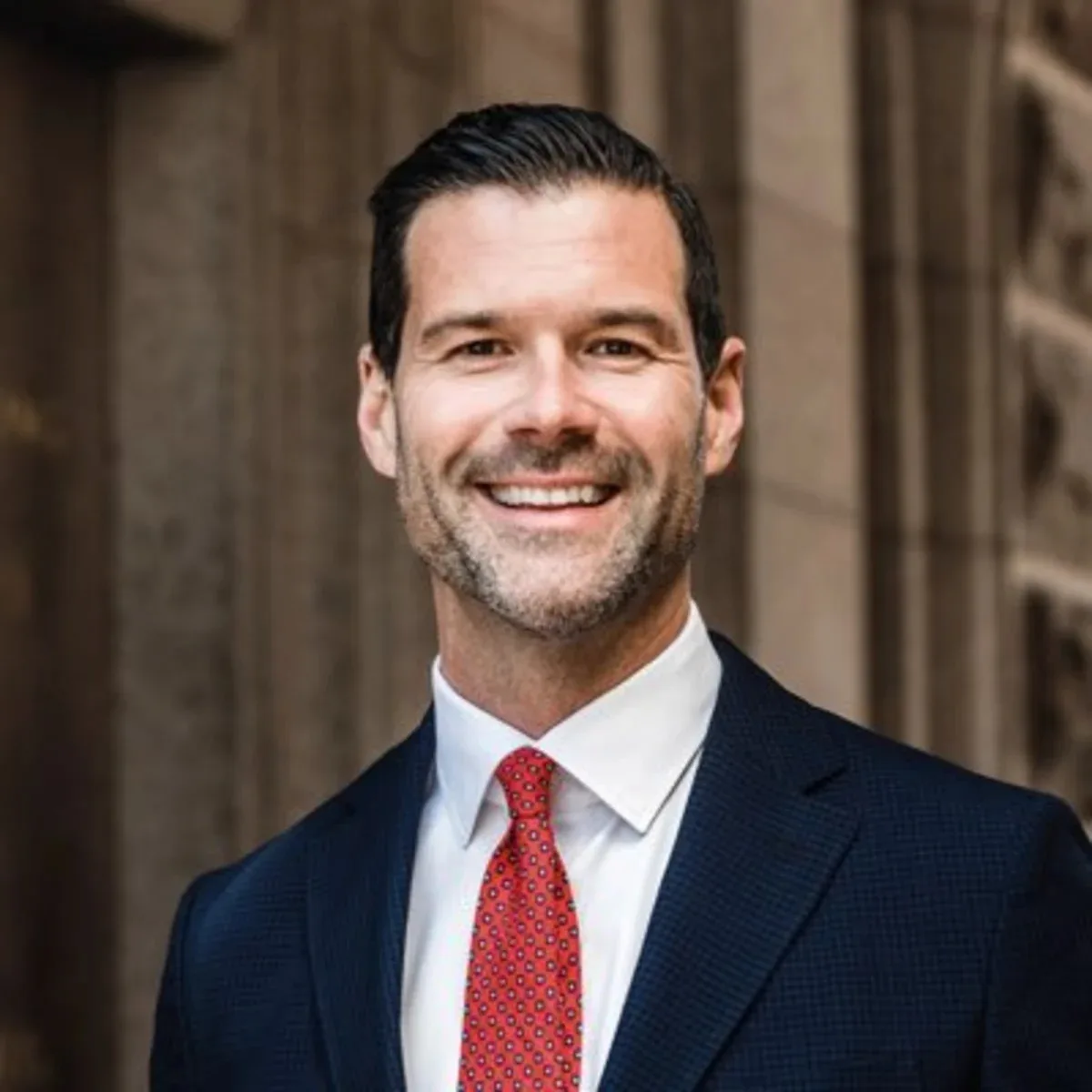
The Migration Agency will review permits under the new rules. Immigrants may appeal decisions to migration courts [1, 2, 3]. The government said "Anyone who doesn't make the effort to do the right thing shouldn't be able to count on staying," according to Johan Forssell, Sweden’s Migration Minister [1, 2].
The legislation is driven by the right-wing government and nationalist Sweden Democrats as part of tightening immigration ahead of the September 2026 parliamentary elections [1, 2, 3].
Opposition politicians and human rights groups sharply criticized the law. Civil Rights Defenders said it "leaves people in uncertainty about what actions or expressions can be used against them" and "undermines the rule of law and the principle of equality before the law" [1]. Amnesty International warned it could lead to revocations based on actions "neither illegal nor punishable for Swedish citizens" [2].
In addition to the "good behaviour" law, parliament narrowly passed a "snitch law" requiring public sector workers to report anyone suspected of being undocumented, passing 174-172 votes [2]. Critics say it risks racial profiling and harming migrants' health. Jacob Lind, a migration researcher, called it "a cruel, ineffective policy" that "opens up the Pandora’s box of snitching – a trademark of authoritarian states" [2].
Both laws mark a significant hardening of Sweden’s immigration policy. The Migration Agency will begin implementing the residency revocation reviews immediately under the new law [1, 2, 3].