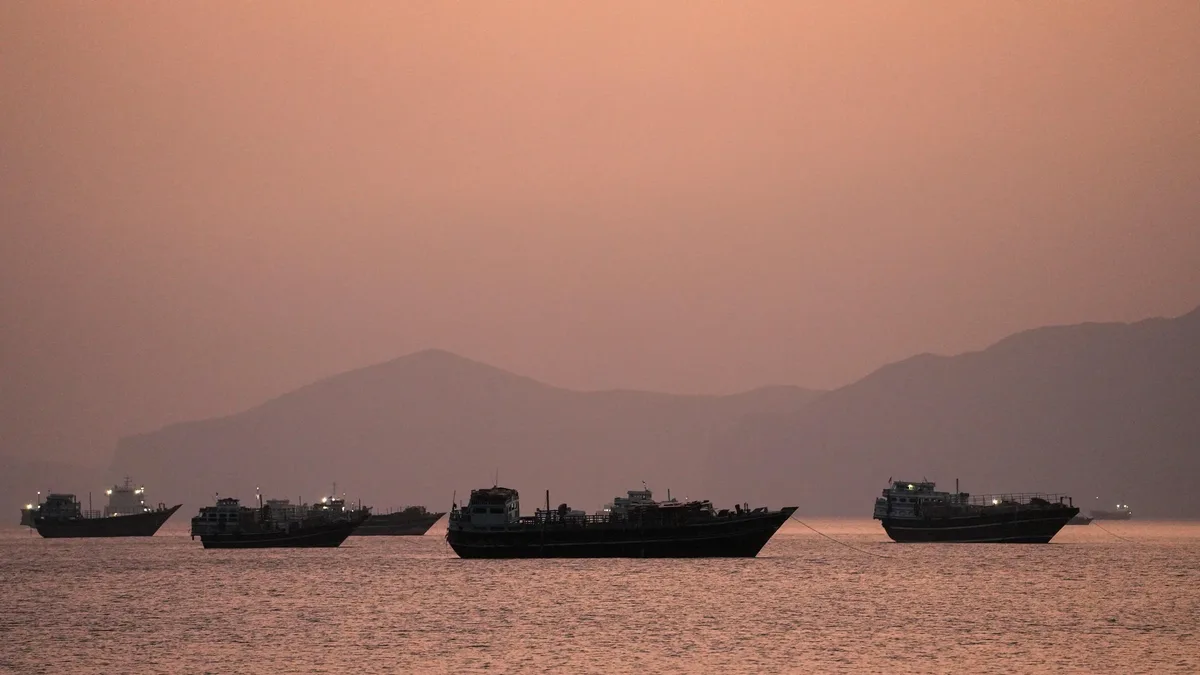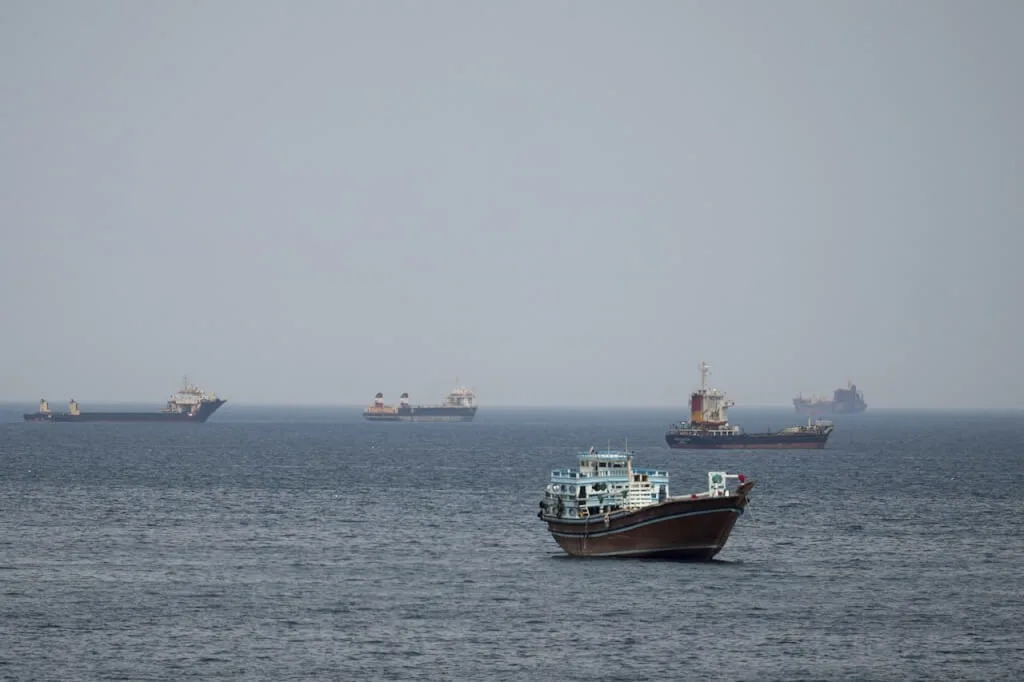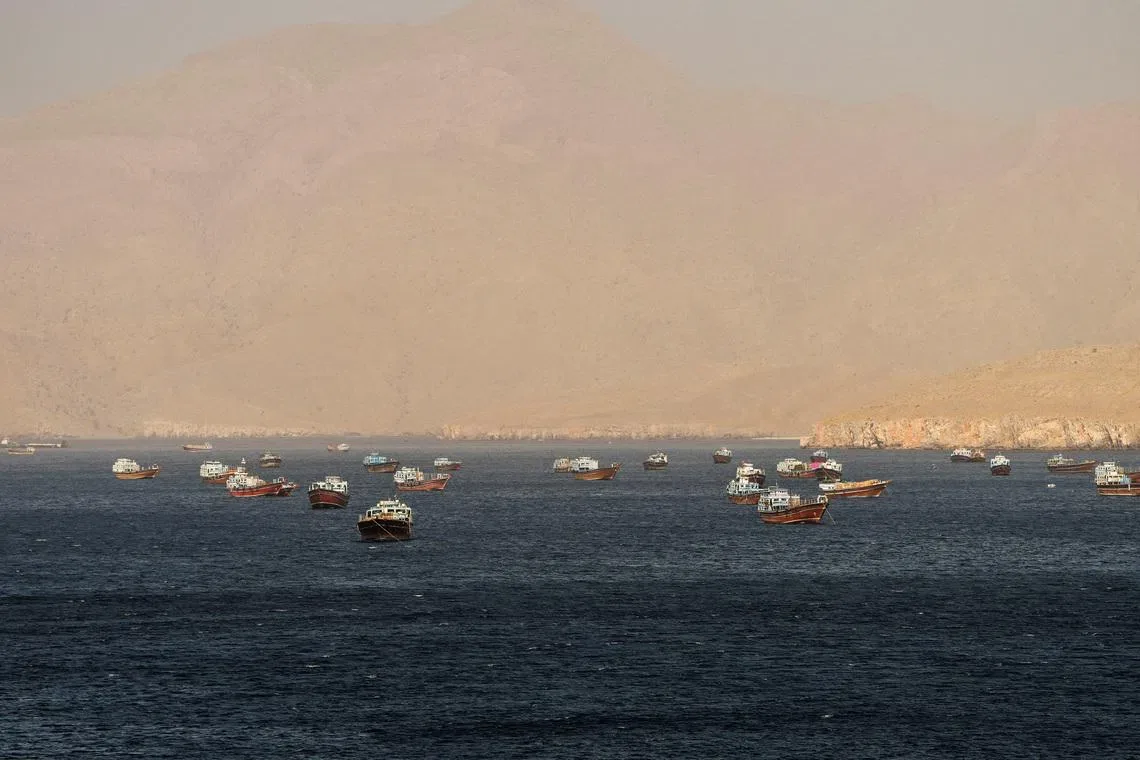
Iran and Oman confirmed on June 8, 2026, that the Strait of Hormuz will remain open but subject to new conditions, including transit fees determined jointly by the two countries [1, 2, 3, 4, 5, 6, 7]. The announcement came amid ongoing conflict and military tension in the region.
Iran’s ambassador to Moscow, Kazem Jalali, said, "Of course, this strait will be open, but with new conditions to be determined by the Iranian and Omani authorities. We understand that Iran and Oman provide certain services related to this strait. And fees will be charged for those services." He emphasized that Iran views fees as a way to safeguard its security interests and make the energy route a factor in negotiations [1].
Before the outbreak of war on February 28, about 20% of the world's oil passed through the Strait of Hormuz, a vital corridor for global energy supplies [1, 2, 3, 4, 5]. Japan had depended on the Middle East for roughly 95% of its oil imports before the conflict, yet in May 2026 a Japan-linked crude tanker transited the strait without paying any fees [1, 2, 3, 4, 5].
The US and Israel have opposed the new fee scheme. The US warned Oman in late May against participating in imposing tolls on ships passing through the strait [1, 2, 3, 4, 5, 7]. The US and Israel have also been engaged in military operations targeting Iran amid the conflict. On June 8, Israel launched missile strikes on military sites in western and central Iran using air-launched ballistic missiles, causing reported explosions in Tehran, Tabriz, and Isfahan [1, 2, 3, 6, 7].
Since the US-Israeli war with Iran started, oil and liquefied natural gas flows through the strait have been severely constrained, though some tankers have recently managed to leave the Gulf [1, 2, 3, 4, 5, 6]. Iran has stated that any permanent peace agreement should allow it to set fees based on ship type, cargo, and other conditions [1, 2, 3, 4, 5, 7].
Iran and Oman will continue collaborating on defining and enforcing the new terms and transit charges for shipping through the Strait of Hormuz [1, 2, 3, 4, 5]. The fee structure and enforcement mechanisms are expected to take shape in the coming weeks.