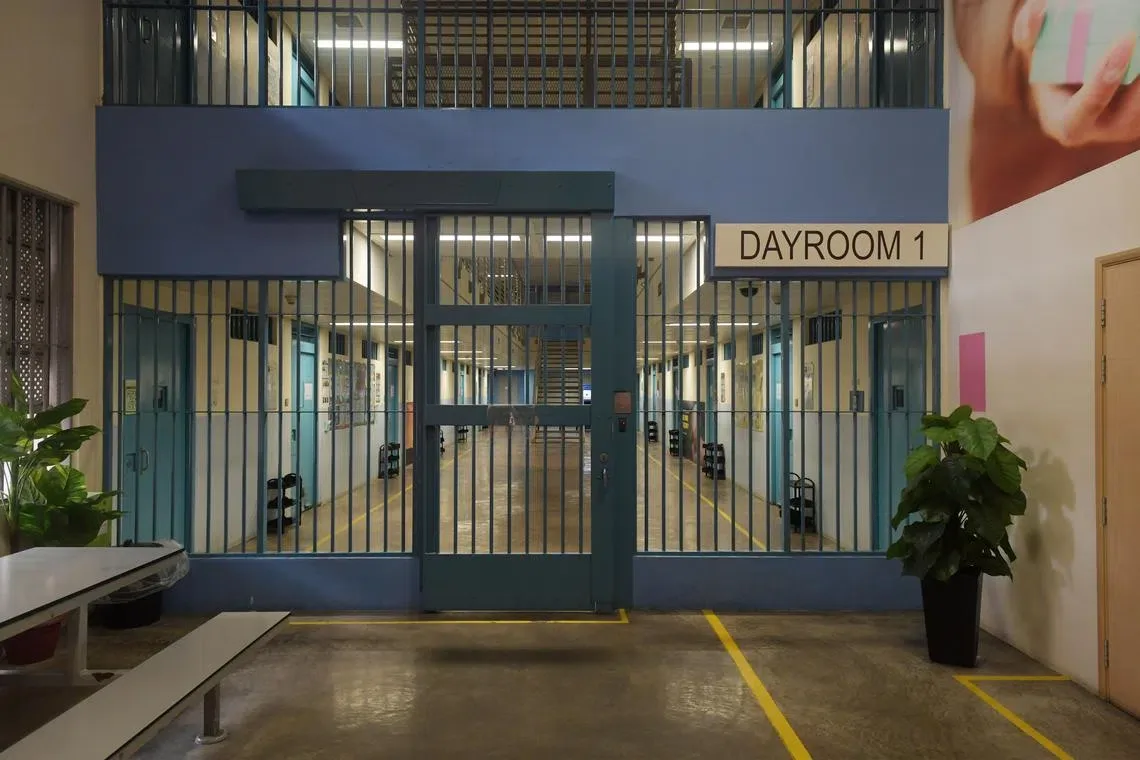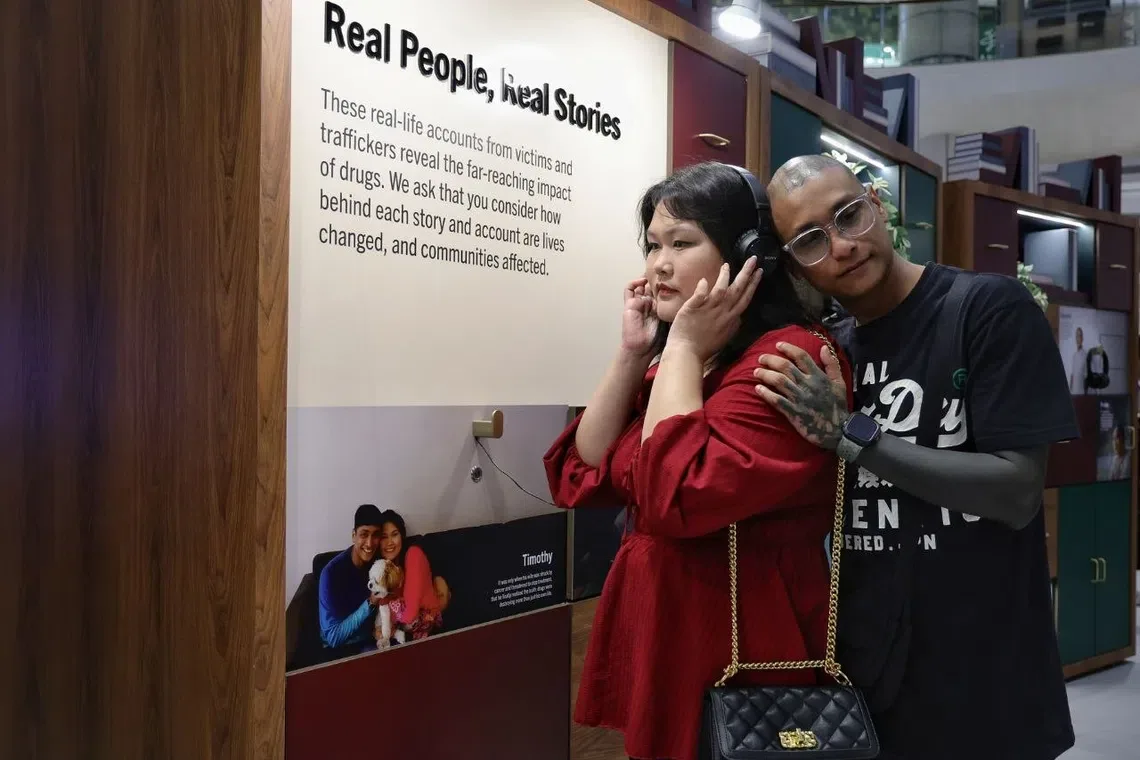
Singapore has introduced a new approach for first-time drug abusers who surrender to authorities, effective May 16. Instead of being sent to the Drug Rehabilitation Centre (DRC), they will undergo community drug supervision with compulsory case management, announced on May 15 by Minister Edwin Tong at the Drug Victims Remembrance Day observance [1, 2, 3, 4, 5, 6].
The change applies to individuals who have surrendered no more than twice and are not under investigation or wanted by authorities, consistent with existing surrender regime conditions [1, 2, 3, 4, 5, 6]. The objective is to encourage more first-time abusers to seek help for their addiction without the prospect of DRC detention [1, 2, 4, 6].
Under community rehabilitation, support includes regular counselling using psychology-based methods such as goal-setting and family engagement, accompanied by frequent drug tests through hair or urine samples administered by the Central Narcotics Bureau (CNB). Tong said, "Drug abusers who want to wean off their drug addiction and live a drug-free life will be supported with regular counselling sessions in the community," reflecting a shift toward more personalized care [1].
Youth continue to make up a significant portion of new drug abusers. More than half of new arrestees in the past three years were under 30, and the number of new drug abusers below 20 rose 22 percent from 2024 to 2025. The youngest abuser arrested was aged 12 in 2025, down from 13 in 2024 [1, 2, 3, 5, 6]. Cannabis remains a particular concern; 70 percent of cannabis abusers arrested in 2025 were new users, with 63 percent below 30 years old. Tong cautioned, "This is a generation of young people who are being told, online and through popular culture, that cannabis is harmless... These are all outright lies" [1].
Drug-related deaths in Singapore increased to 68 in 2025, a 15 percent rise from 59 deaths in 2024. Tong described this as "the most tragic statistic of them all." About 30 percent of deaths over 2024 and 2025 involved Singaporean users whose drug abuse had gone undetected [1, 2, 3, 5].
From 2020 to March 2026, around 30 first-time abusers surrendered to the CNB under the surrender regime put in place in 2019. That regime involves a "step-down" approach assigning offenders to community supervision or DRC detention based on risk assessments, with a maximum of two surrender opportunities per lifetime [3, 4, 5, 6].
The global drug situation also remains serious. The number of drug abusers worldwide rose 8 percent to 316 million in 2023, with methamphetamine seizures in East and Southeast Asia reaching a record 236 tonnes in 2024. Tong noted, "The global drug situation is worsening" [4, 6].
The community rehabilitation approach officially began on May 16, with the CNB implementing regular counselling and monitoring among eligible first-time surrendering drug abusers [1, 2, 3, 4, 5, 6].