Singapore announced a pledge of US$12 million to the Coalition for Epidemic Preparedness Innovations (CEPI) for the years 2027 to 2030. The contribution aims to support global pandemic preparedness, particularly vaccine development programs [1, 2].
The pledge follows an earlier US$15 million contribution Singapore made to CEPI in 2022. The new funding will be disbursed at about US$3 million per year, totaling approximately S$16.2 million over the four-year period, according to Singaporean and Chinese sources [1, 2].
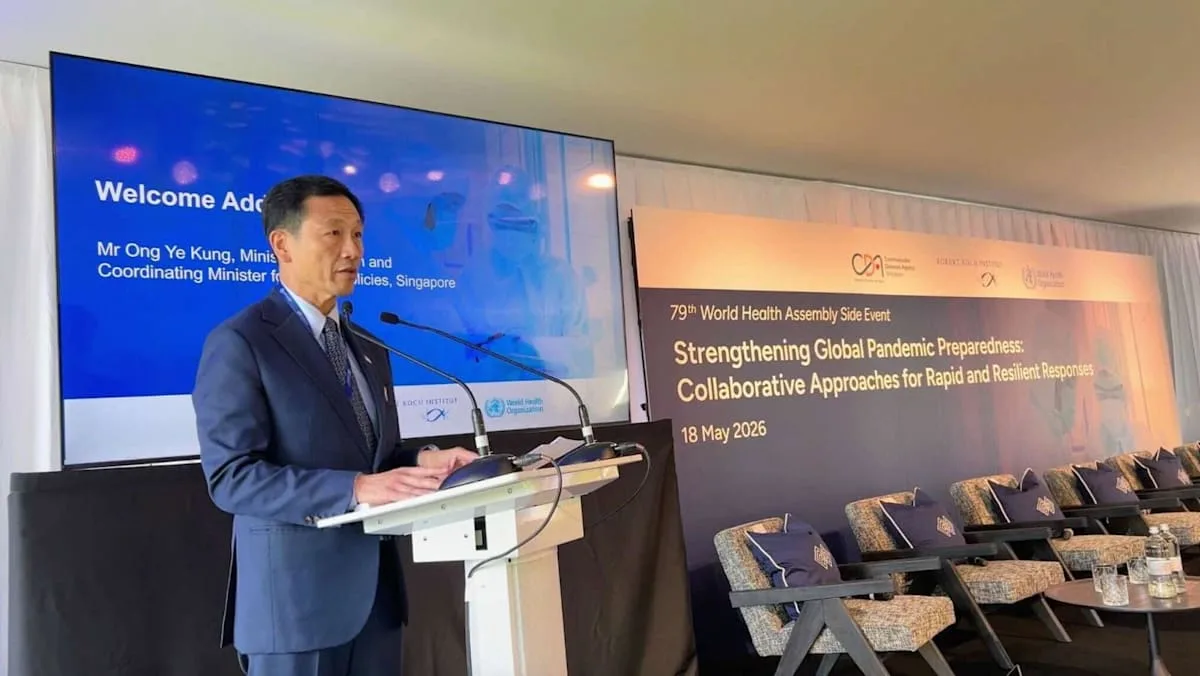
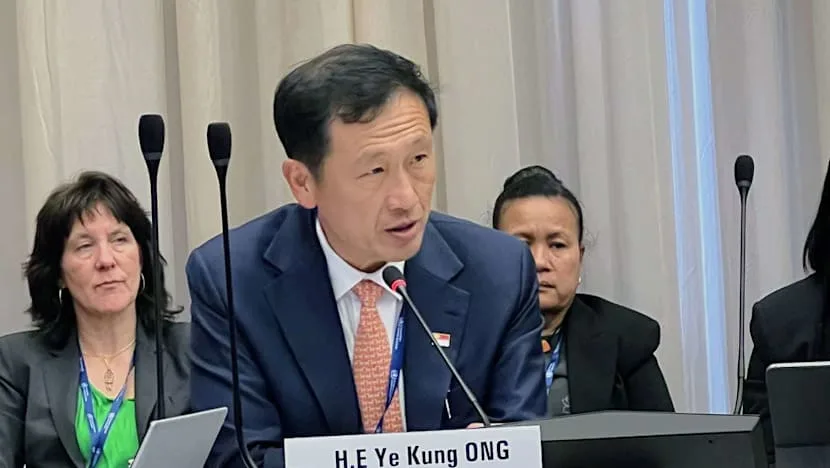
Minister for Health Ong Ye Kung highlighted CEPI's '100 Days Mission,' which seeks to develop safe, effective, and accessible vaccines within 100 days of identifying a new pandemic threat. He said, "It is developing prototype vaccine solutions across key virus families, so that when a pandemic crisis arrives, much of the groundwork is already done." Singapore has partnered with CEPI since 2020 and views collaboration as key to fighting pandemics [1, 2].
王乙康 emphasized the collective nature of global cooperation, stating, "我們在國內制定的每一個解決方案,都涉及來自其他國家,以及非新加坡企業的合作夥伴與支持。因此,這從根本上來說是一項集體協作。" He also explained CEPI's goal to produce vaccines within 100 days as "a grand but important target and a capability the world should have today" [2].
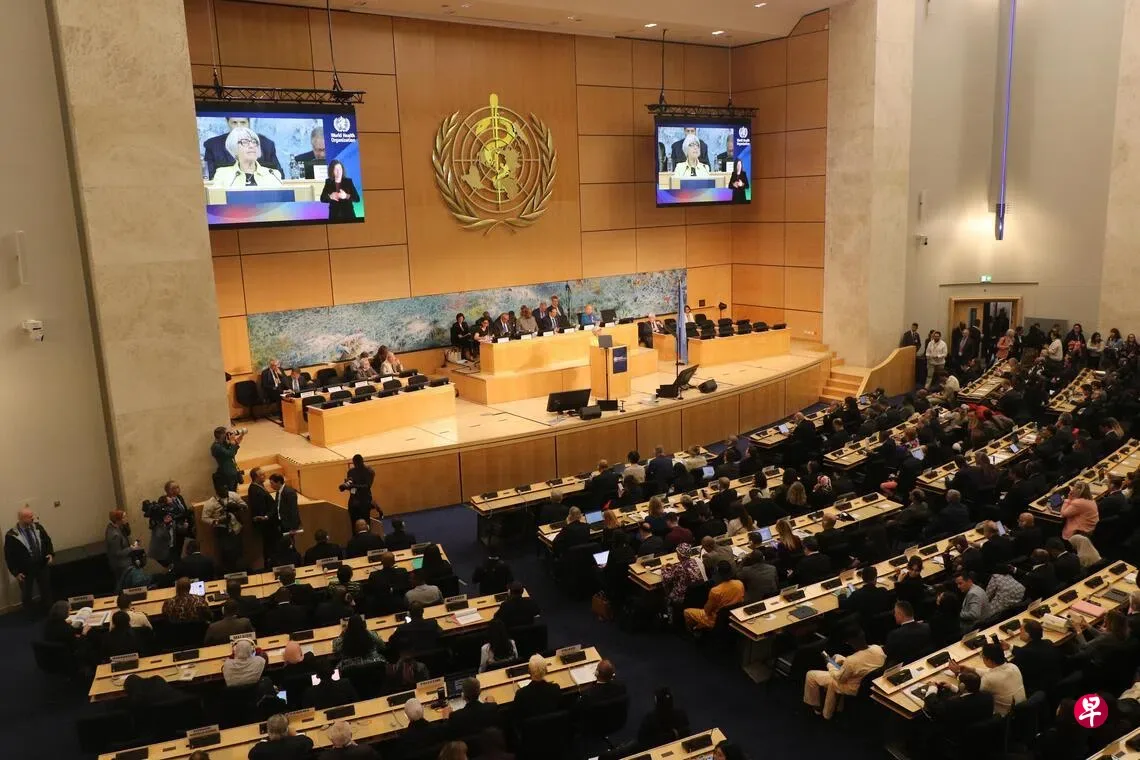
During the 79th World Health Assembly held in Geneva in May 2026, Singapore signed memorandums of understanding with the Philippines and Finland to collaborate on healthcare and pandemic-related initiatives. The Singapore delegation attended the assembly from May 17 to 20, further strengthening regional health cooperation [2].
Singapore’s contributions support CEPI’s efforts to accelerate vaccine research and readiness against emerging pandemic threats. The next phase of funding will begin in 2027 and run through 2030, reinforcing Singapore’s role as a committed global health partner [1, 2].