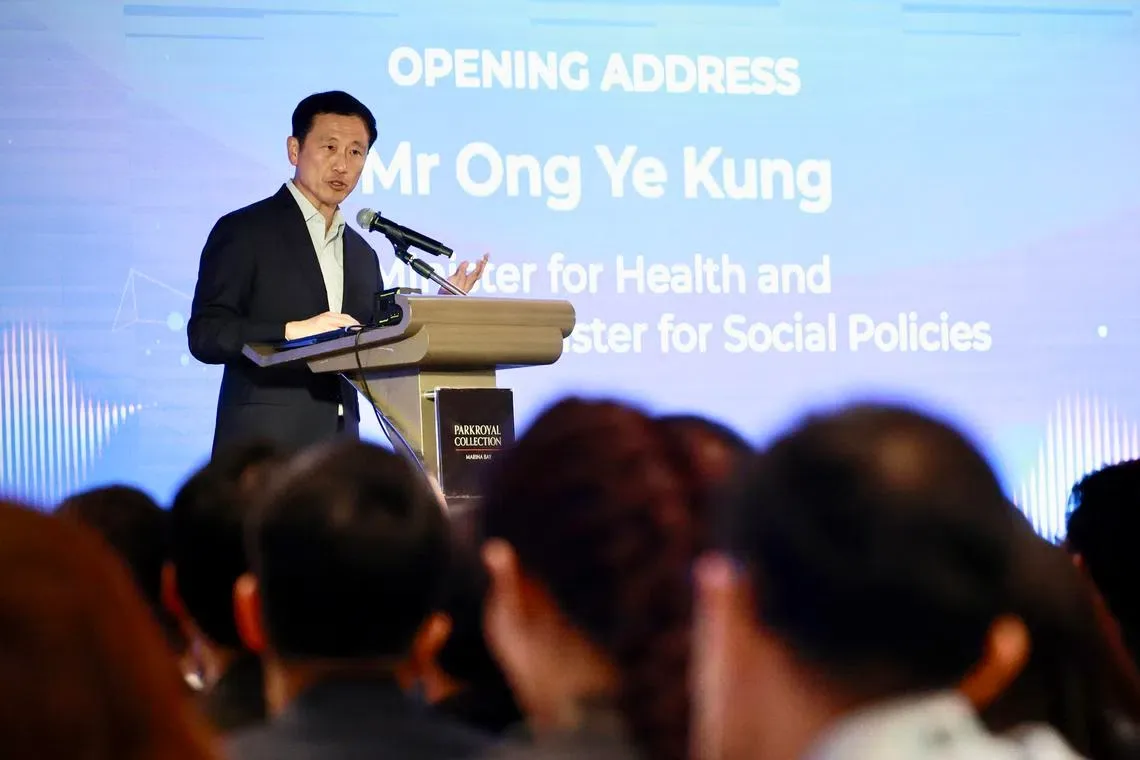
Singapore launched the $350 million "Maximising Healthy and Successful Longevity" grand challenge on May 22, 2026, aiming to tackle cognitive decline and loss of physical function in its ageing society [1, 2]. The programme focuses on conditions such as vascular dementia and sarcopenic obesity that disproportionately affect Asians, while also seeking to optimise socio-environmental factors to support active ageing [1, 2].
The initiative forms part of Singapore’s larger $37 billion five-year Research, Innovation and Enterprise 2030 (RIE2030) plan, under which the Ministry of Health will commit $2.5 billion [1, 2]. The challenge facilitates public-private partnerships designed to combine government-held high-quality data with the expertise and innovation of industry players. Health Minister Ong Ye Kung said, "Many relevant capabilities, technologies and talent reside in the private sector. But what private industry and companies do not have is the high quality and comprehensive data that the Government has. If we can combine the strengths of both public and private sectors, we can make meaningful and transformative improvements" [1].
The programme promotes co-ownership of intellectual property arising from research collaborations between public and private entities, encouraging shared benefits and incentives [1, 2]. It targets breakthroughs in preventative care, leveraging comprehensive data and industry knowledge to address ageing-related health challenges effectively [1, 2].
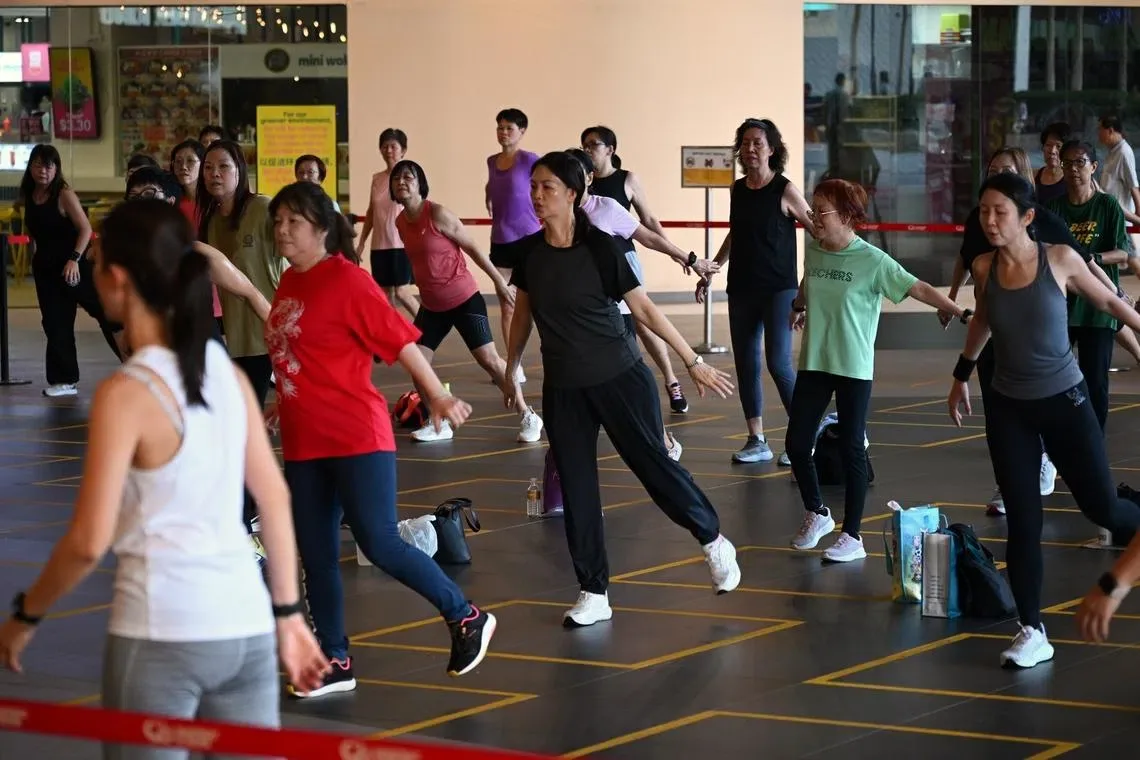
By focusing on conditions specifically impacting Asian populations and improving socio-environmental supports, Singapore aims to extend healthy lifespan and enhance quality of life for its elderly. The launch date of May 22 marked the beginning of this substantial investment in longevity science and innovation [1, 2].