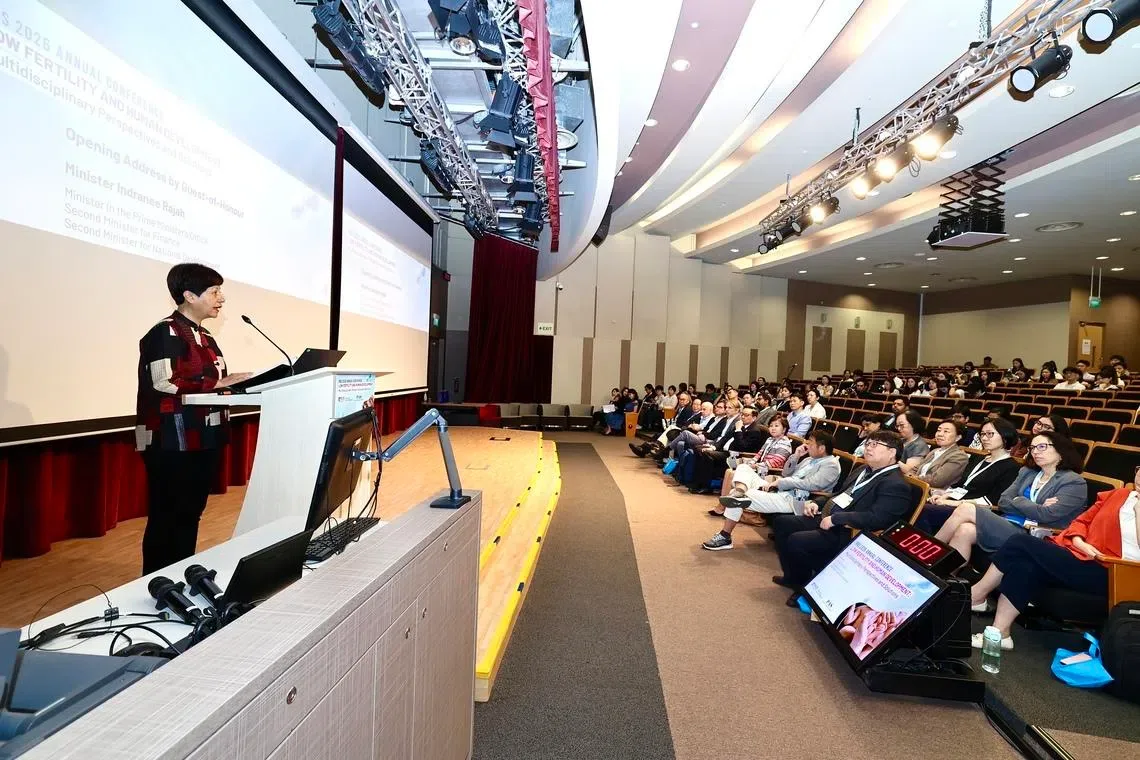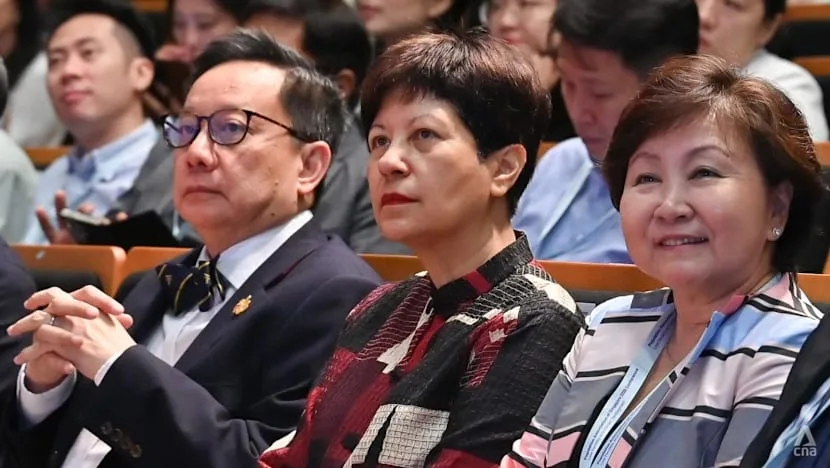
Singapore's total fertility rate dropped to a record low of 0.87 in 2025, down from 0.97 in 2024, heightening concerns over the country's long-term demographic outlook [1, 2]. To address this, the government formed the Marriage and Parenthood Reset Workgroup chaired by Minister in the Prime Minister's Office Indranee Rajah [1, 3, 2].
At a recent population conference, Rajah said many young people ask not only whether they can afford children but also "what kind of life will we be able to give our children, and what kind of life will we have as parents?" [1]. She noted Singaporeans' drive for excellence has propelled progress but sometimes comes at the cost of rest and time needed to pursue parenthood and marriage goals [3].
The workgroup has identified three core barriers to having children: high financial costs, parenting stress, and a lack of time to balance work and family [1, 3, 2]. It is examining these challenges across child-raising stages and exploring parenting stress impacts, including findings that children in non-parental care may show better cognition but increased behavioral issues linked to parental stress [1, 2].
To reduce pressures from the education system's "arms race," the group plans to work with students, parents, teachers, and academics to find solutions [3]. Experts advise enhanced infant care training, longer parental leave, and more flexible work arrangements to support working parents as part of the policy response [1, 2].
The National University of Singapore’s Yong Loo Lin School of Medicine and the Population Association of Singapore will help draft a White Paper on fertility and child development. This document will draw on research and policy models from Asia, Europe, and beyond to guide future action [1, 2].
The workgroup is expected to release its findings in early 2027, setting the stage for potential policy adjustments targeting Singapore’s growing demographic challenges [3].