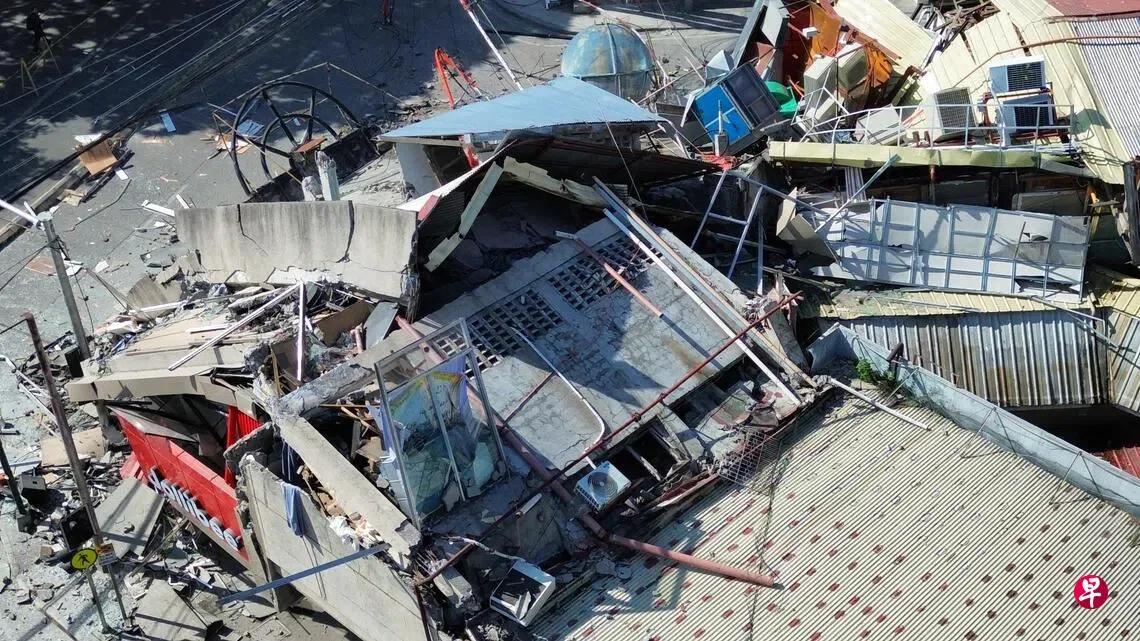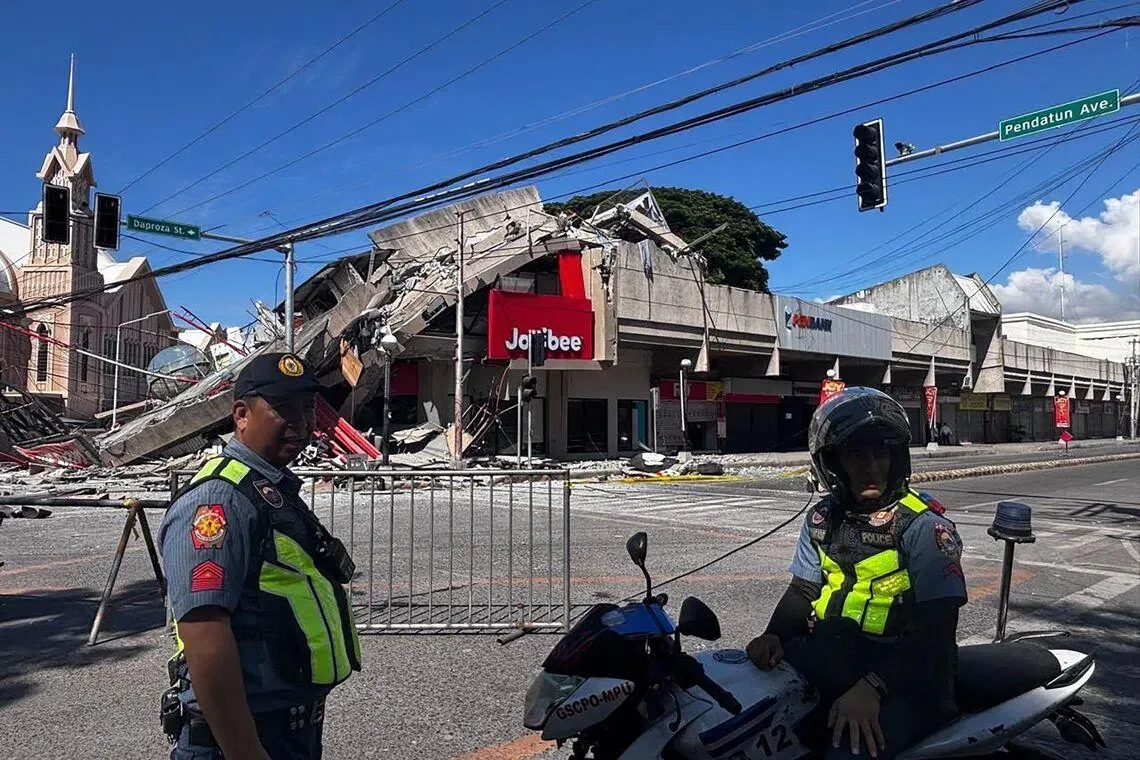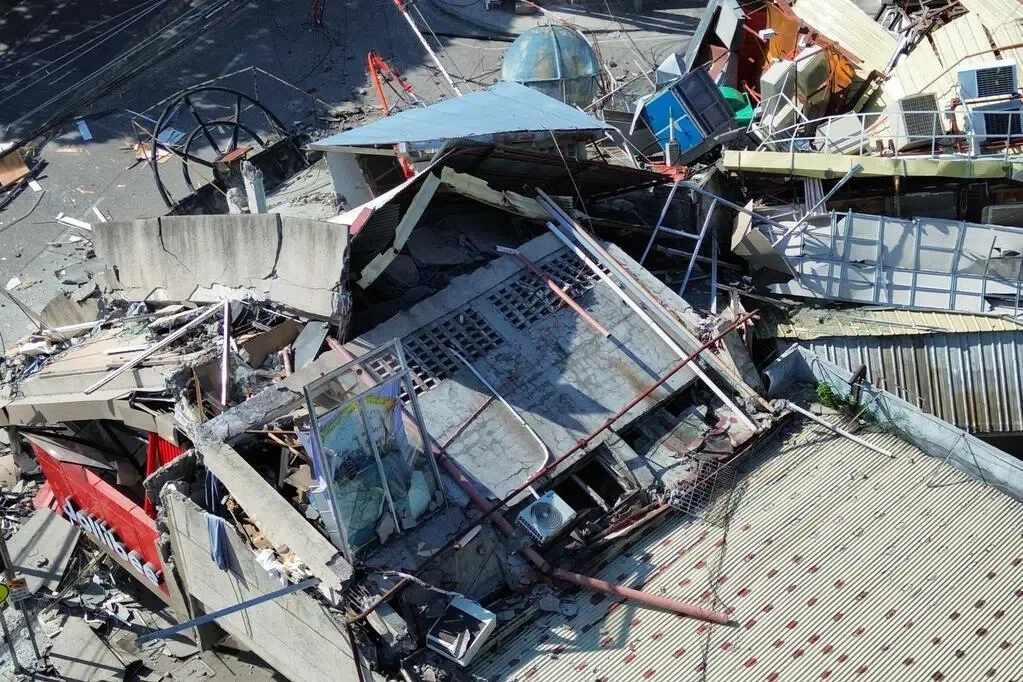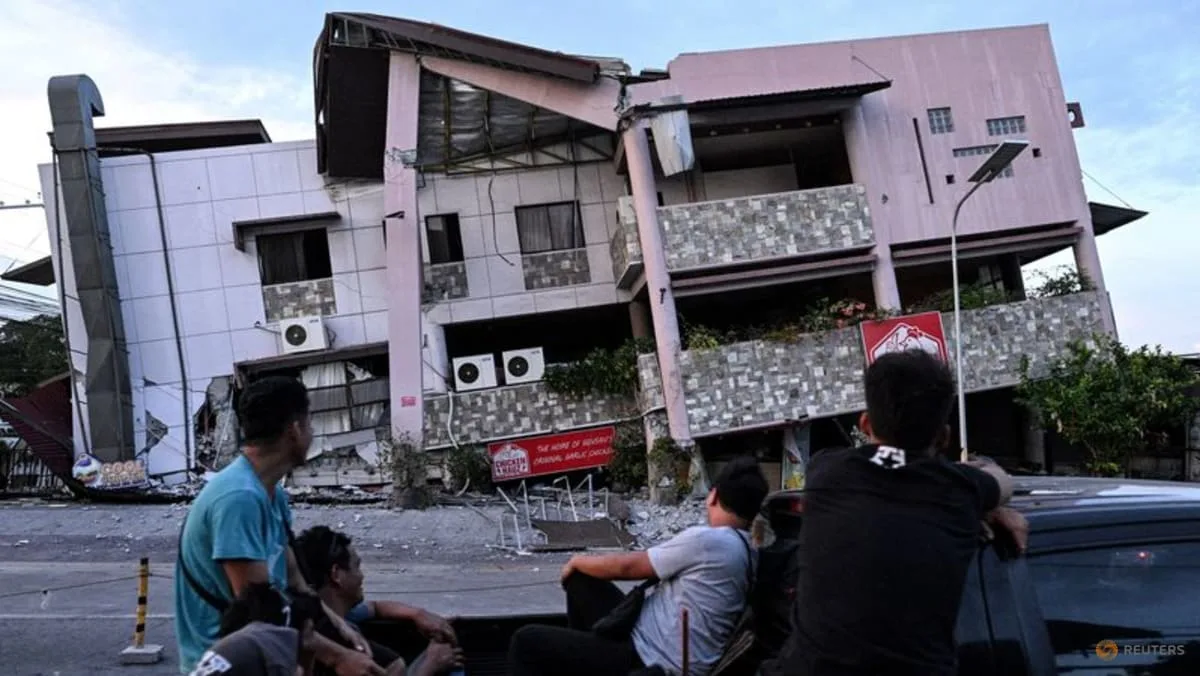
A powerful 7.8-magnitude earthquake struck southern Mindanao in the Philippines on June 8, 2026, causing widespread destruction and casualties. [1, 2, 3, 4] The quake caused building collapses, landslides, and forced tens of thousands to evacuate, while triggering tsunami warnings in the region. [2, 3, 4]
The death toll varies by source: the highest figure reports at least 61 fatalities, [1] the official Philippine figure states at least 53, and other sources cite at least 35 deaths. [1, 2, 3, 4] At least 487 people were injured, and 17 remain missing according to official reports. [2] Over 150,000 people have been affected by the disaster. [2]
The Philippine Institute of Volcanology and Seismology (Phivolcs) has recorded over 2,000 aftershocks since the main quake. [2] On June 15, a 6.6-magnitude aftershock struck 164 km southeast of Governor Generoso in Davao Oriental province. [3, 4]
Singapore Prime Minister Lawrence Wong sent a letter of condolence to Philippine President Ferdinand Marcos Jr on June 15 expressing sympathy and readiness to assist. [1, 2, 3, 4] The Ministry of Foreign Affairs (MFA) is closely monitoring the situation and has contacted Singaporeans in the affected areas to offer consular support. [1, 2, 3, 4]
No Singaporean casualties have been reported so far. [1, 2, 3, 4] The MFA advised Singaporeans in Mindanao to stay vigilant, follow local authorities’ instructions, register with e-Services, and purchase travel insurance. "In view of possible aftershocks, Singaporeans in the affected area are advised to remain vigilant, take all necessary precautions for their personal safety, and heed the instructions of the local authorities," the MFA said. It added, "Singapore stands ready to assist as required." [3]
The aftershock on June 15 marks the latest seismic activity since the main event a week earlier. Authorities continue to urge residents to remain cautious as emergency response and recovery operations proceed. [2, 3, 4]