Singapore’s recycling rates have declined since 2019, prompting a government review of the city-state’s Zero Waste Masterplan and its 2030 targets. Senior Minister of State Janil Puthucheary unveiled the review on June 17, citing the need for an "honest examination of these numbers" as recycling rates falter despite ongoing efforts [1, 2, 3, 4, 5].
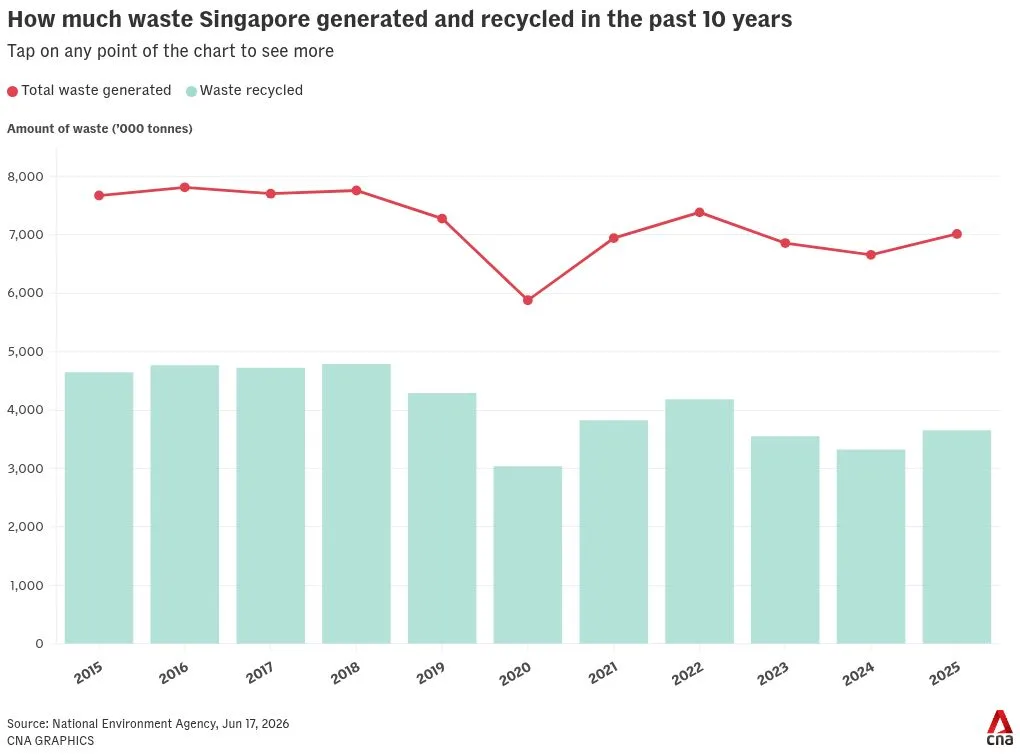
The overall recycling rate fell from 59% in 2019 to 50% in 2024 before a modest rise to 52% in 2025. Domestic recycling rates dropped from 17% in 2019 to 11% in 2025, with no improvement in the last year. Non-domestic recycling declined from 73% in 2019 to 67% in 2025, with a slight increase from 65% in 2024 [1, 2, 3, 4, 5].
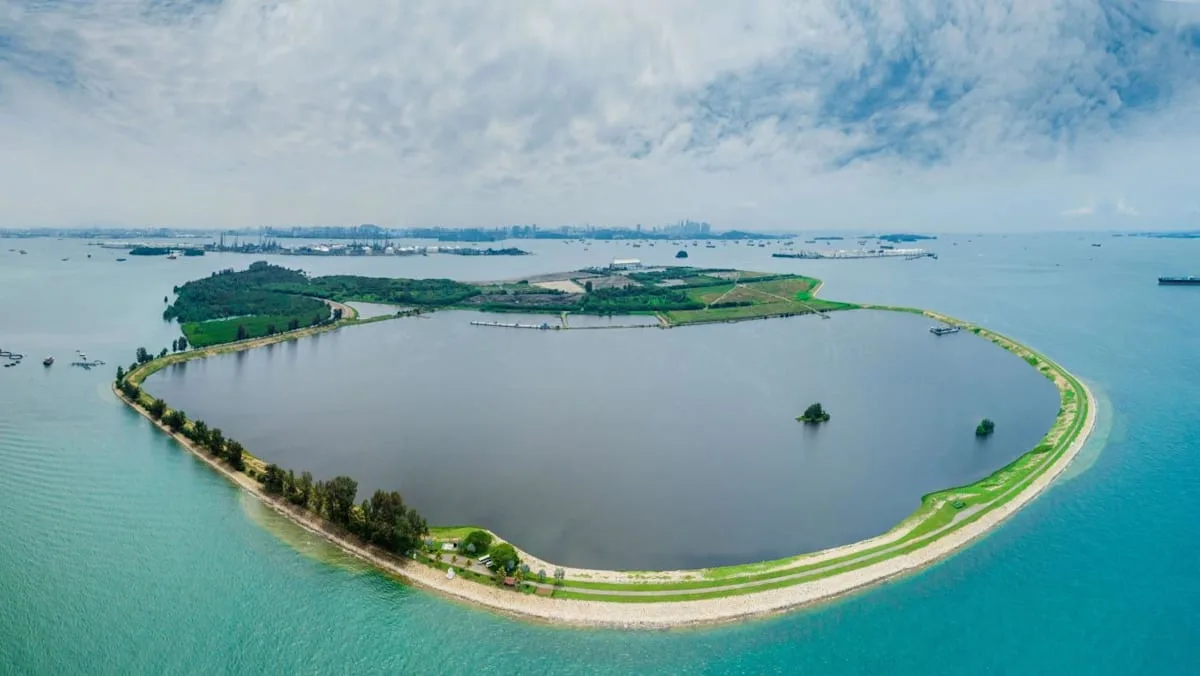
The volume of waste disposed in Singapore reached a record high in 2025, estimated between 3.35 and 3.36 million tonnes, surpassing the 3.33 million tonnes disposed in 2024 [2, 3, 4, 5]. This increase adds pressure on Pulau Semakau, the nation’s only landfill, which based on a 2015 capacity expansion is expected to reach full capacity around 2035 [1, 2, 3, 4, 5].
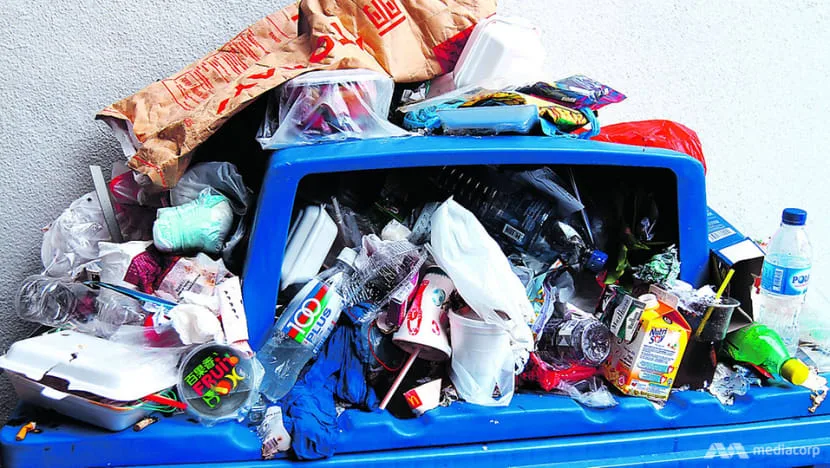
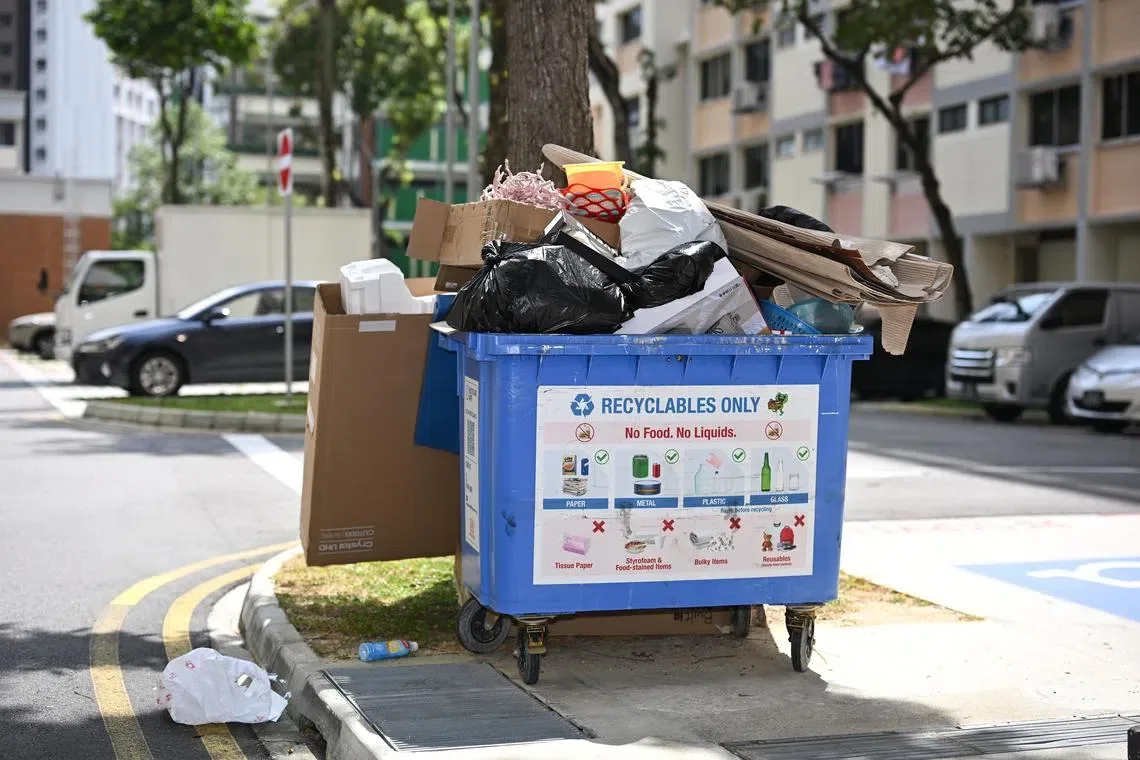
One significant challenge is the contamination of recyclables collected in blue bins, which has remained around 40% since 2017, reducing the efficiency and economic viability of recycling efforts [2, 3, 4, 5]. Puthucheary noted global recycling economics have shifted considerably, with commodity price volatility, logistics disruptions, and import restrictions affecting Singapore and worldwide. “Paper prices have been significantly depressed and plastic offtake is difficult to secure,” he said [2].
The original Zero Waste Masterplan launched in 2019 set ambitious targets for 2030: an overall recycling rate of 70%, domestic recycling at 30%, and non-domestic recycling at 80% [1, 2]. The current review will explore new strategies to improve recycling rates, enhance recyclables quality, reduce overall waste, and prolong Pulau Semakau’s operational lifespan [1, 2, 3, 4, 5].
Puthucheary described the review as “not simply a government blueprint refresh,” but “an invitation for all of us, every Singaporean, to help shape how we live in the decades ahead” [1].
The review is expected to conclude in 2027, with updated targets and plans to be announced then [1, 2, 3, 4, 5].