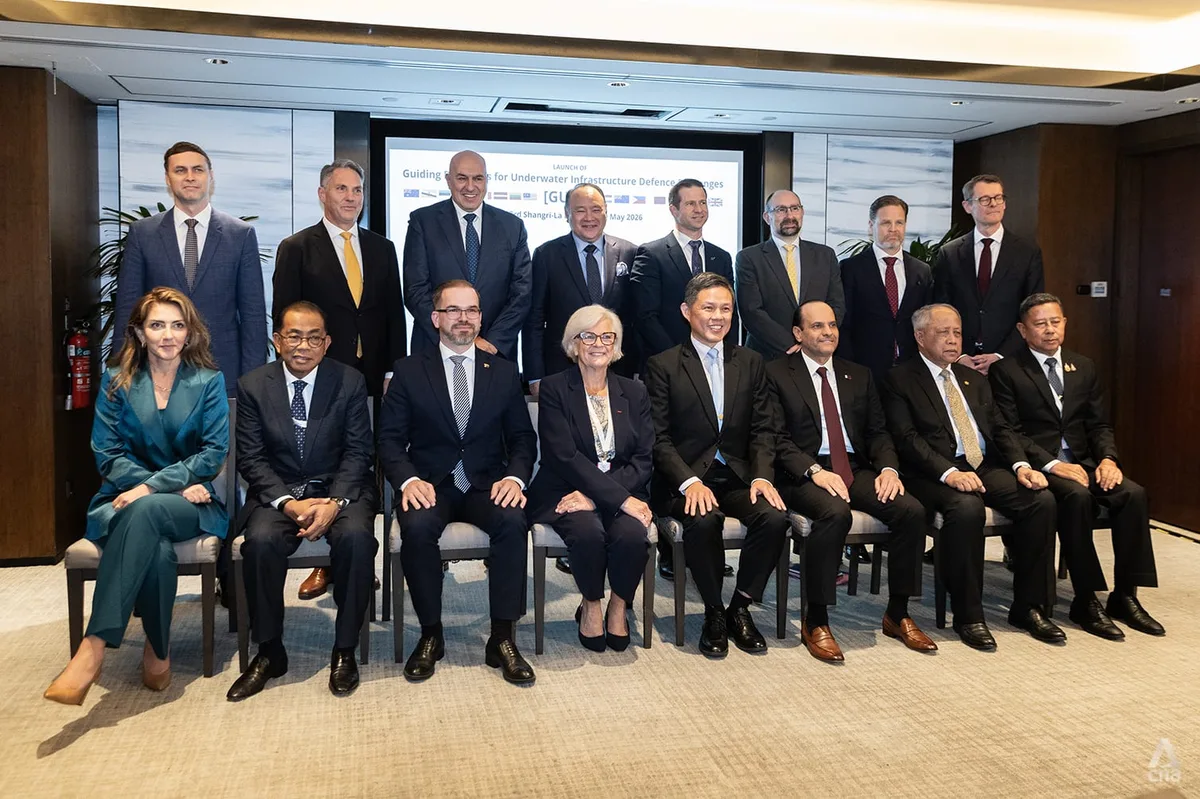
Seventeen countries launched the Guiding Principles for Underwater Infrastructure Defence Exchanges (GUIDE) framework on May 30, 2026, at the Shangri-La Dialogue in Singapore [1, 2, 3]. The voluntary framework promotes cross-regional defense cooperation to secure critical underwater infrastructure such as subsea telecommunications cables and energy grids [1, 2].
The participating nations are Australia, Brunei, Estonia, Finland, France, Italy, Latvia, Lithuania, Malaysia, the Netherlands, New Zealand, the Philippines, Qatar, Singapore, Sweden, Thailand, and the United Kingdom [1, 2]. Notably, China and the United States did not join the initiative [2].
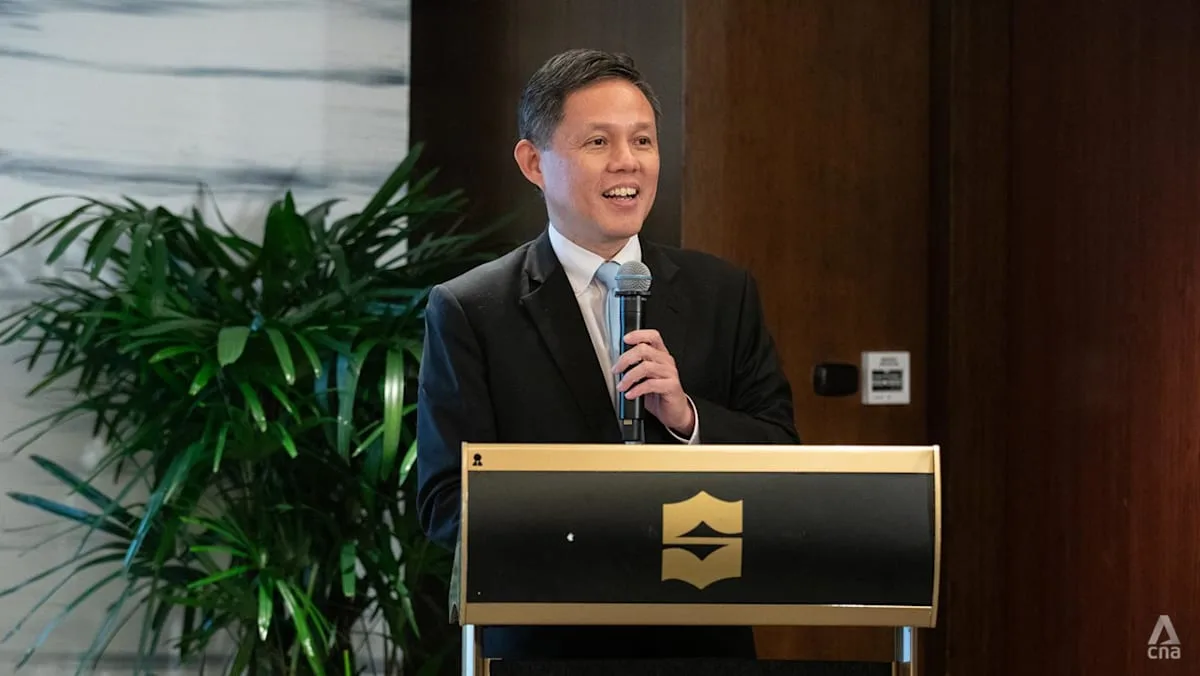
The GUIDE framework is non-legally and non-financially binding and does not create new legal obligations or affect existing rights under international law [1]. Singapore Defence Minister Chan Chun Sing stressed the framework’s importance, saying, “Today, the waterways are not just avenues for us to conduct our trade, but underneath those waters are also critical underwater infrastructure that connects our energy grid, our telecommunications grid” [1]. He added, "Today, if we are honest with ourselves, we will know that we have quite a lot of work to do to establish the international norms on how we can lay those critical infrastructures … but more importantly, how to maintain them and how to prevent people from disrupting them” [2].
Malaysia, which participated actively in the launch alongside 16 other countries according to some sources [3], used the dialogue to deepen defense cooperation as well. Datuk Seri Mohamed Khaled Nordin from Malaysia said the event is “an important platform to strengthen defence cooperation, enhance the sharing of strategic information and improve coordination in addressing increasingly complex regional and global security challenges” [3]. Malaysia held bilateral meetings with more than 10 defense partners and explored defense industry collaboration opportunities [3].
The GUIDE framework is designed as flexible, issue-based cooperation transcending geographic boundaries to shape rules and norms in this emerging domain [1]. It aims to foster trust and information sharing between partner nations tasked with protecting submarine cables and other underwater assets of growing strategic importance [1, 2].