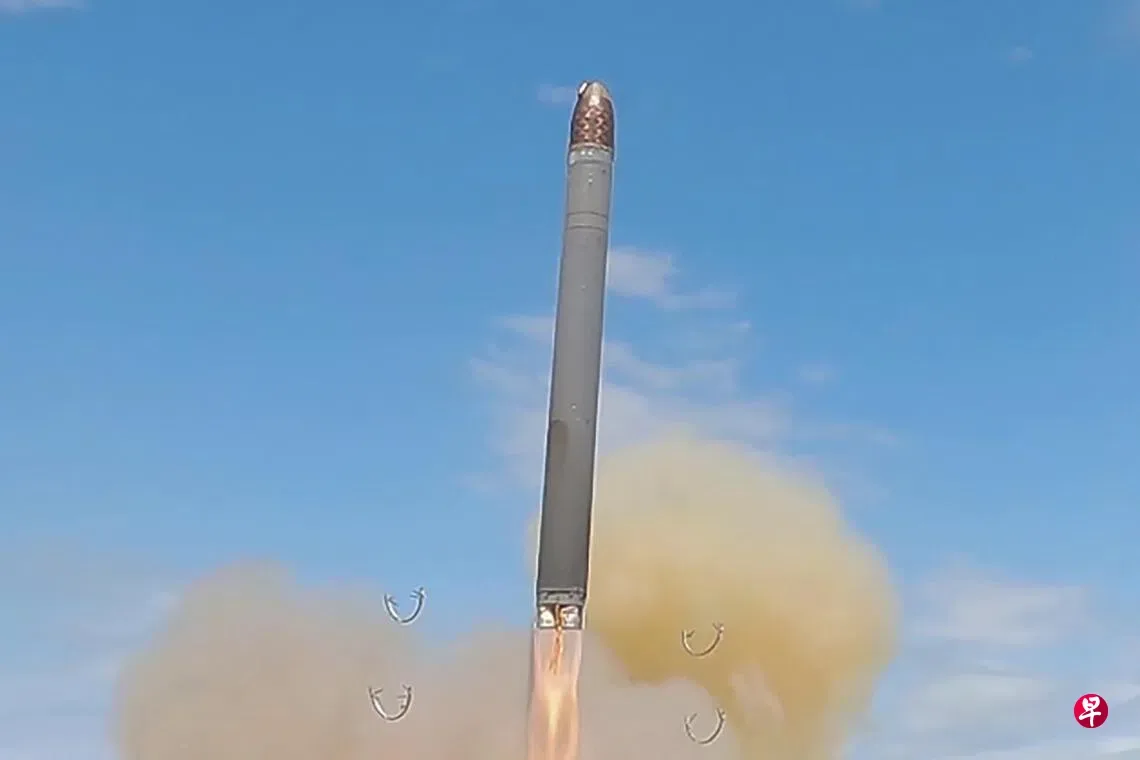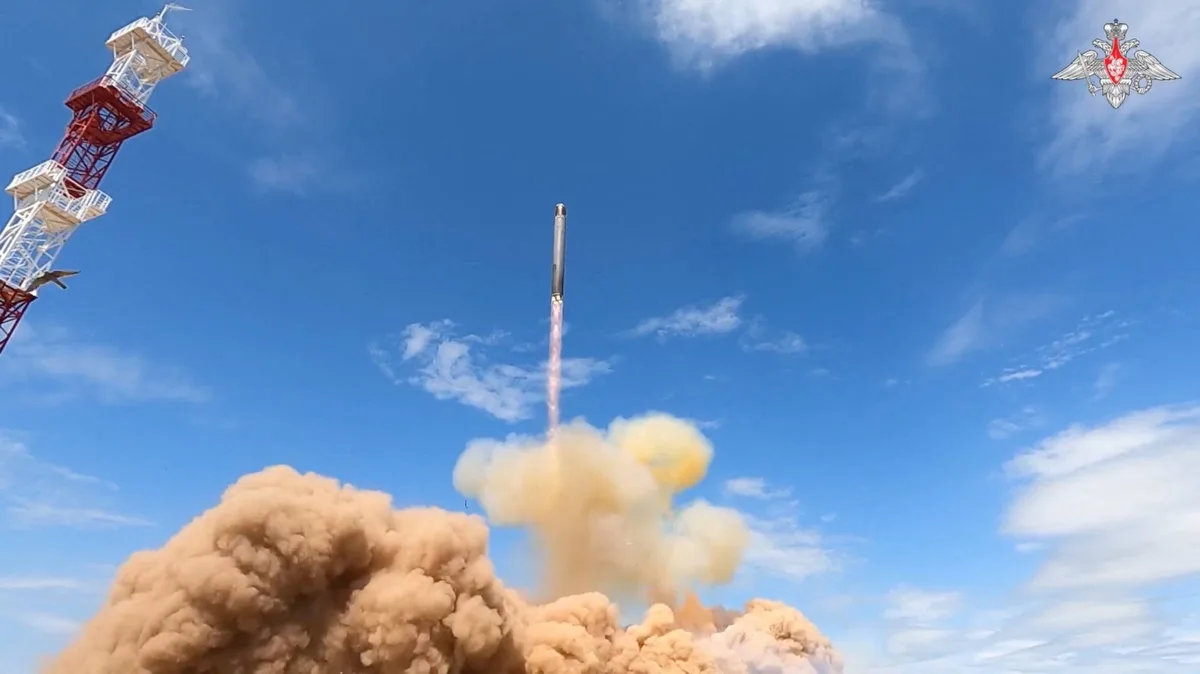
Russia tested its Sarmat intercontinental ballistic missile on May 12, 2026, and President Vladimir Putin called it "the most powerful missile system in the world." [1, 2, 3]
The long-range missile can carry nuclear warheads and has a range of 35,000 kilometres, according to the report. Putin said it would be on "combat duty" by the end of 2026. [1, 2]
The launch came after the New START treaty between Russia and the United States expired in February 2026, ending the last limits on the two countries' nuclear arsenals. Russia notified the United States before the test, the Kremlin and TASS said. [1, 2, 3]
Talks on renewing or extending New START had stalled, and there were no immediate signs of a new deal. Donald Trump had pushed for a treaty that would also include China, but Beijing publicly rejected that pressure. [1, 2]
A researcher at the UN Institute for Disarmament Research said putting Russia's largest missile into service this year was realistic, but said it would not significantly change Moscow's deterrent power. [1, 2]
The test adds to a monthslong dispute over nuclear arms control after the treaty's February expiry, with no scheduled replacement agreement announced. [1, 2, 3]