Israel and Lebanon agreed on May 15 to extend their ceasefire for 45 days following political talks in Washington, with negotiations set to resume June 2-3 and a security track starting May 29 [1, 2, 3, 4]. The original ceasefire was declared by US President Donald Trump on April 16 and took effect the next day [1, 3, 4, 5, 6, 7].
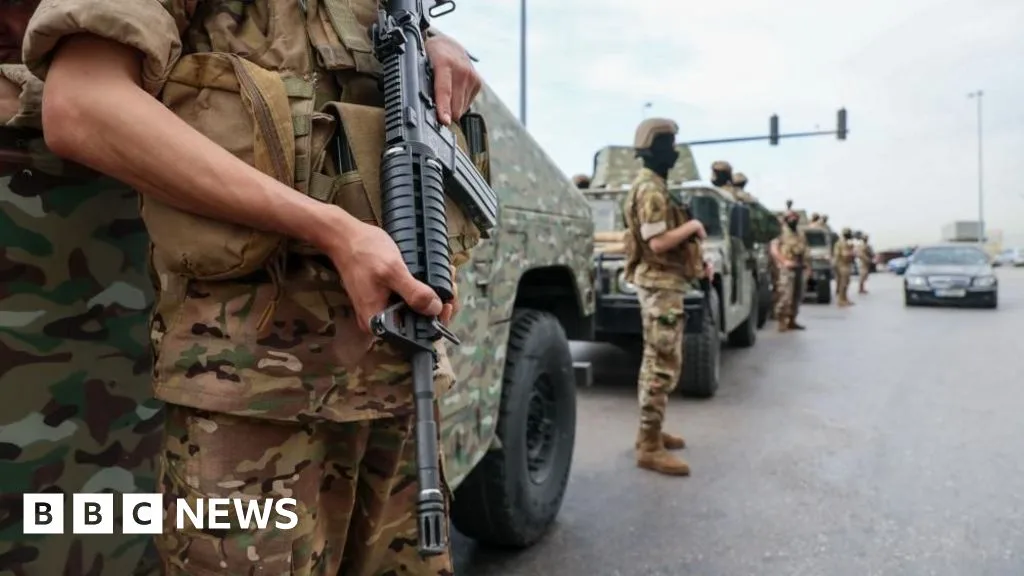
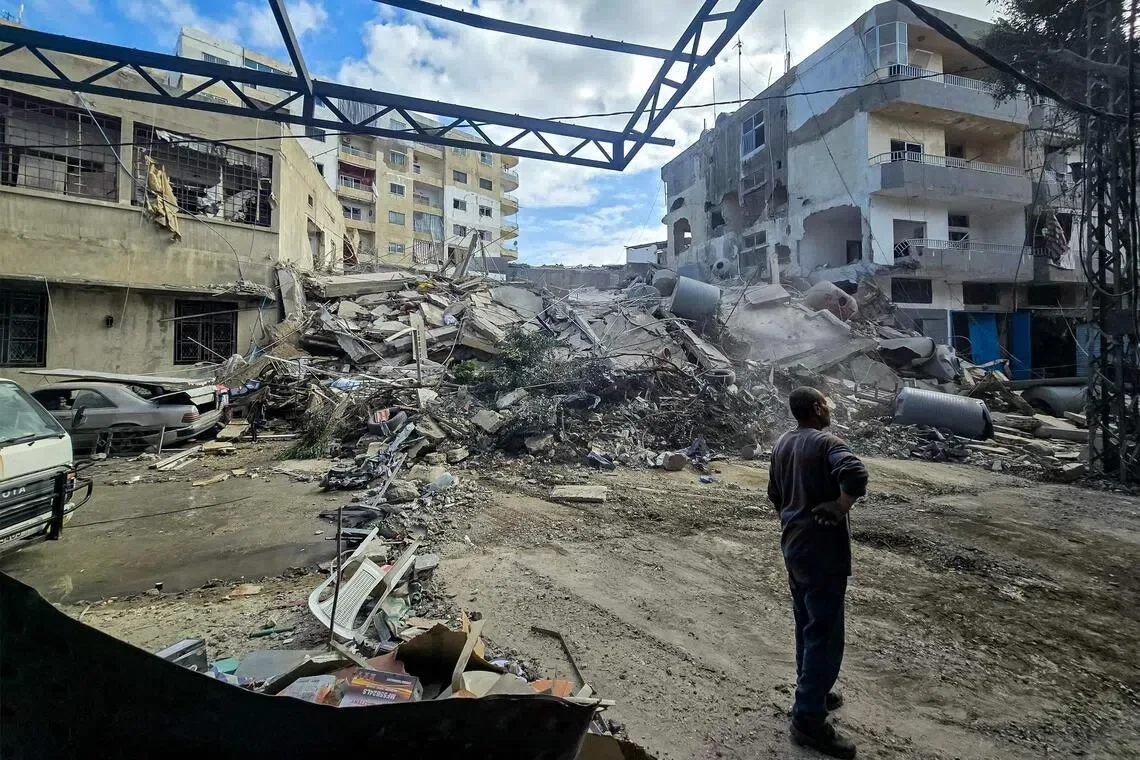
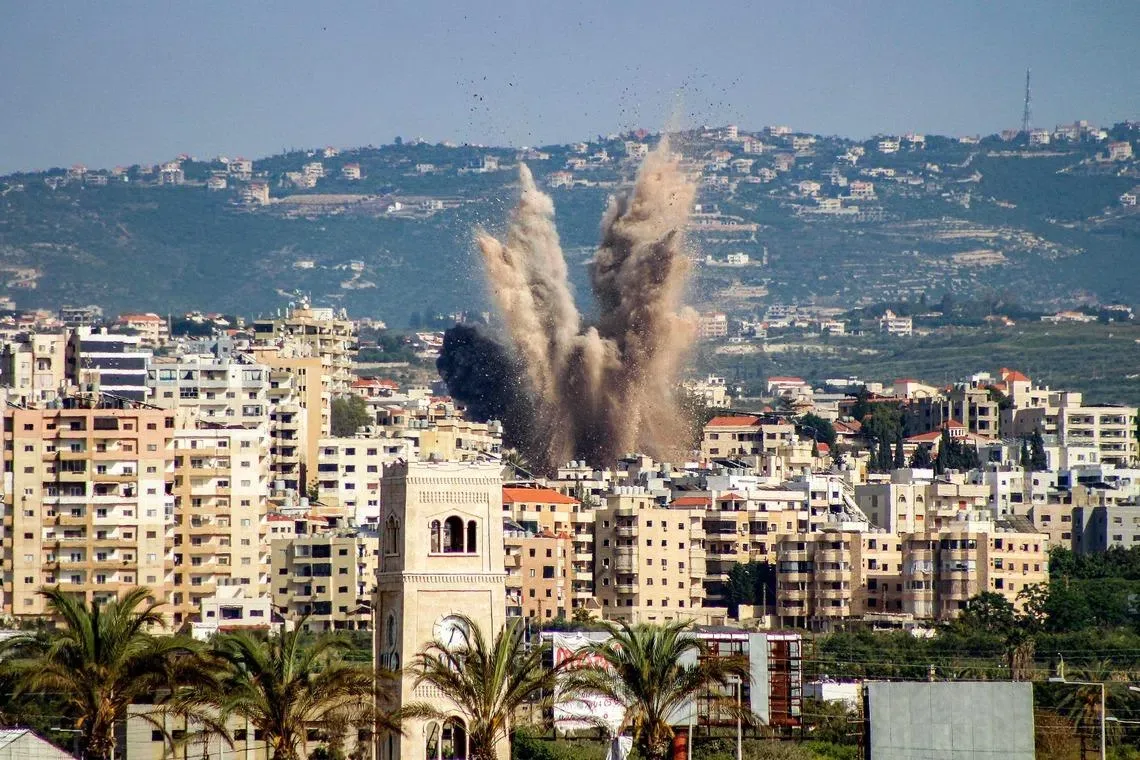
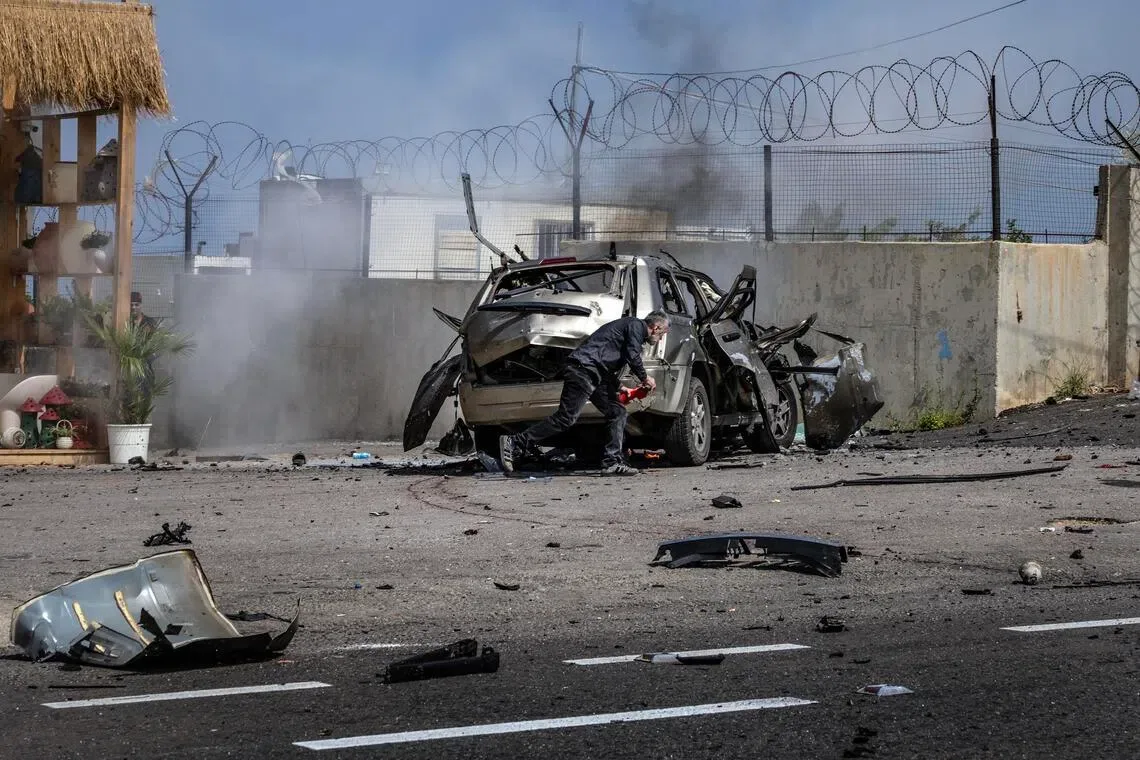
The ceasefire remains fragile. Both sides have frequently violated it, with Israeli airstrikes targeting what they say are Hezbollah military sites, and Hezbollah fighters conducting attacks and drone strikes on Israeli military positions [1, 8, 9, 10]. Israel has intensified air raids and occupied a security zone about 10 km north of the Lebanese border [5, 11, 9, 7]. At least five villages in southern Lebanon were hit by strikes on May 16, just one day after the ceasefire extension agreement [7, 10].
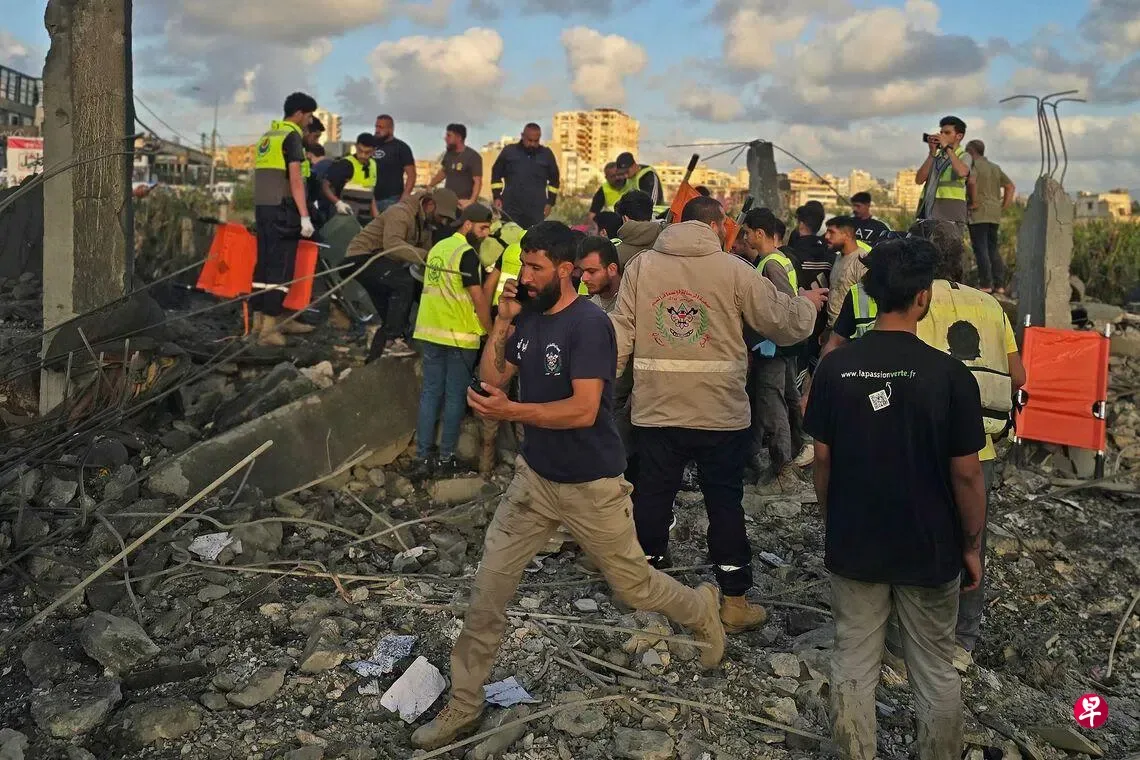
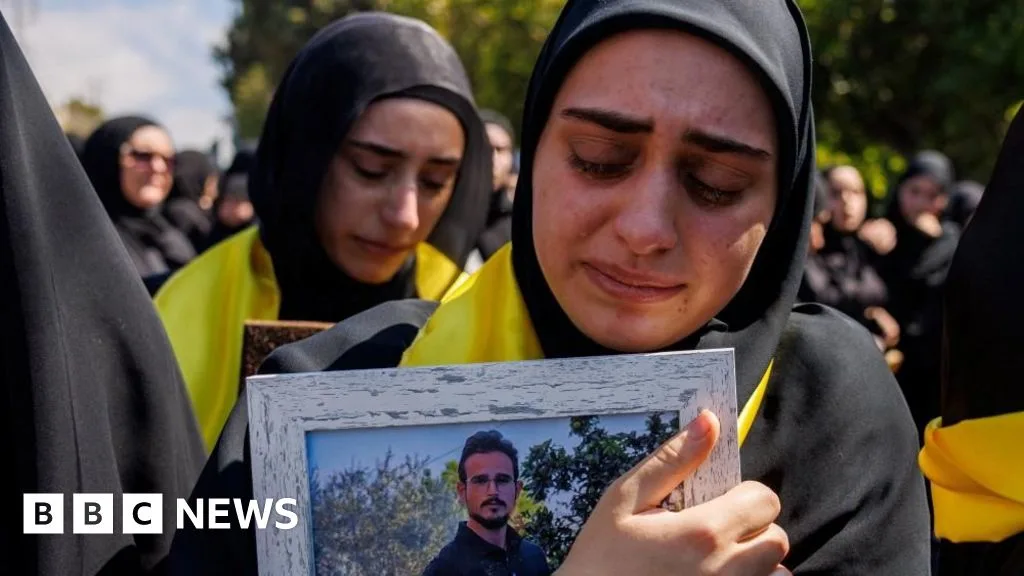
Casualties have mounted despite the truce. Lebanon’s health ministry reports over 2,900 deaths from Israeli strikes since the conflict began March 2, including at least 22 killed on May 13 alone, eight of whom were children [1, 5, 11, 9, 4, 7, 10]. The death toll since the ceasefire started April 17 ranges between 380 and over 400 depending on the source [5, 6, 8, 11]. Around 8,988 have been wounded in Lebanon since March 2 [4, 10].
Israeli military deaths number 19 to 20 soldiers since the fighting began, plus at least one civilian contractor [8, 4, 7, 10]. Lebanese officials accuse Israel of targeting civilians and paramedics, a charge Israel denies, instead alleging Hezbollah uses ambulances for military purposes [1, 5, 6]. Lebanon’s Health Minister Rakan Nassereddine called the attacks on emergency vehicles a "massacre" and said "there are no armed men or fighters in these (ambulance) vehicles, just medical equipment and wounded" [5]. Hospitals and emergency responders have also suffered damage and casualties [5, 4].
Political talks have continued alongside the violence. Lebanon’s delegation pushed for a full Israeli ceasefire and peace negotiations [9, 12]. Israel aims to disarm Hezbollah and establish formal diplomatic relations with Lebanon, with Israeli Ambassador Gabriel Leit saying, "Negotiations will have ups and downs, but the chances of success are high" [12, 4]. US State Department spokesperson Tommy Pigott said, "We hope these discussions will advance lasting peace between the two countries, full recognition of each other's sovereignty and territorial integrity, and establishing genuine security along their shared border" [1].