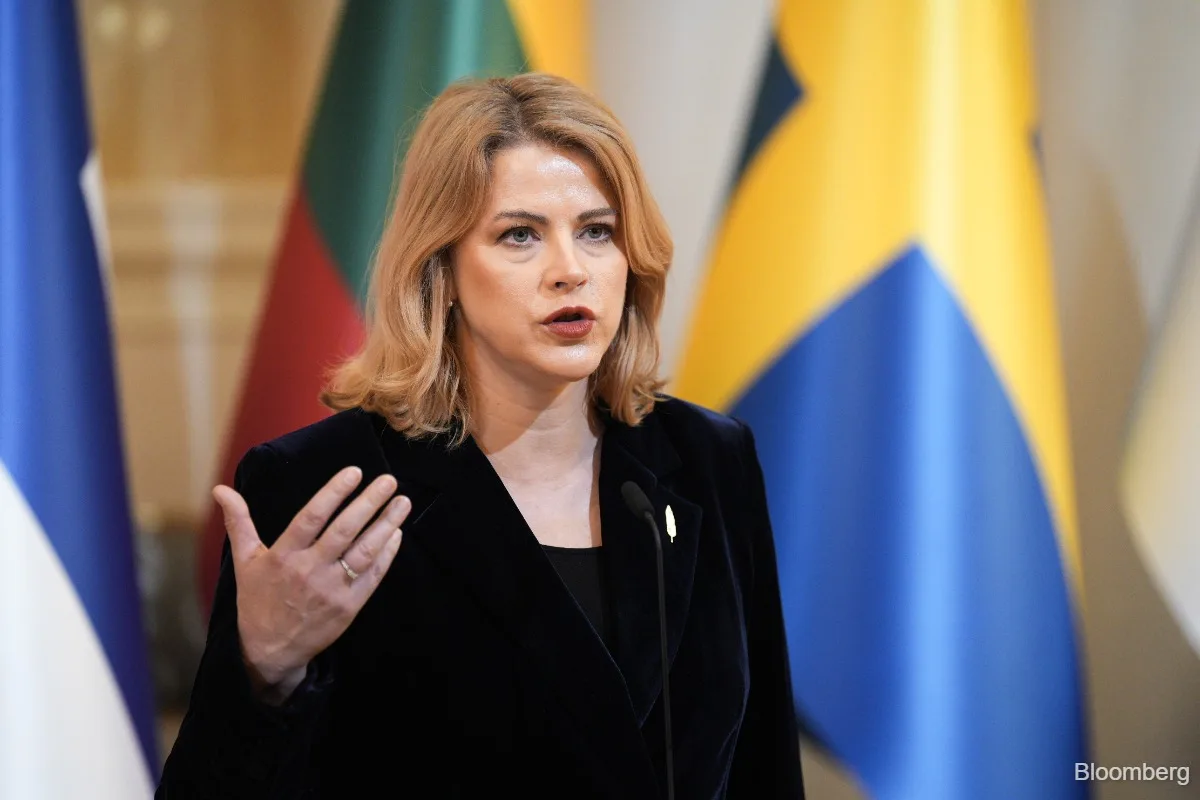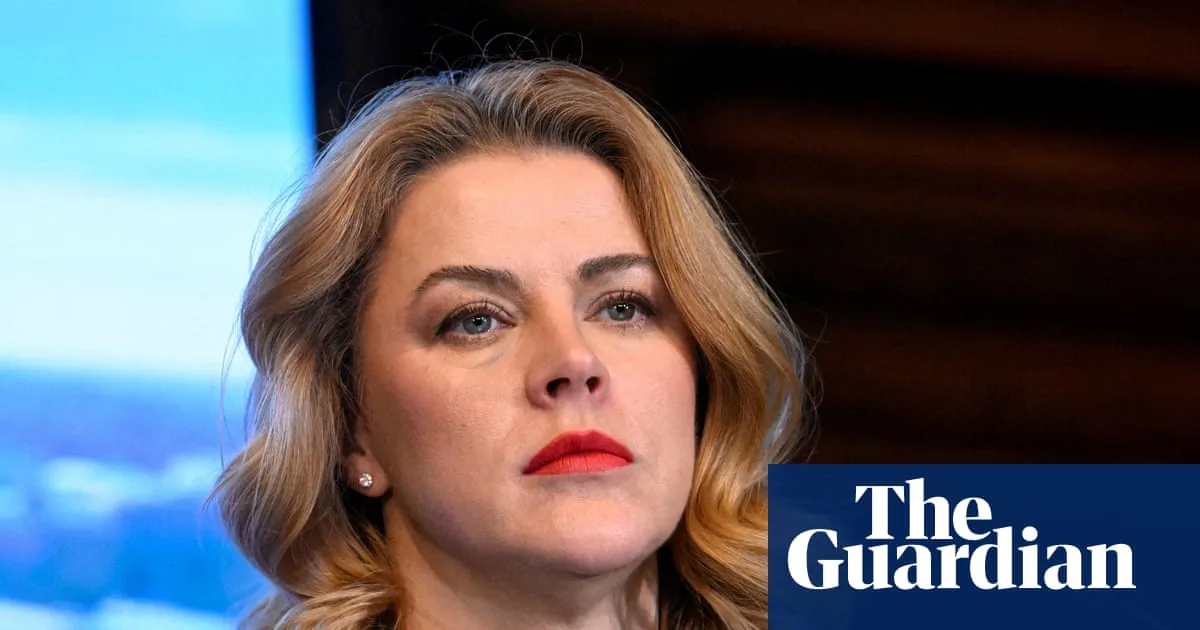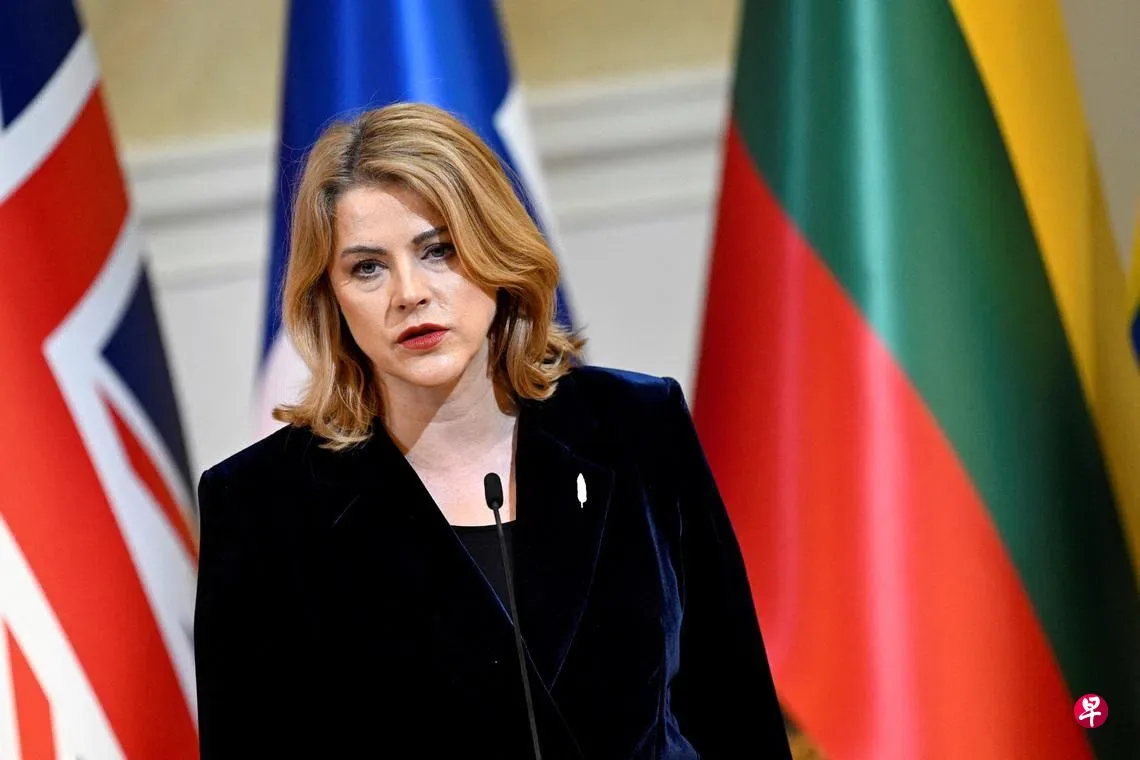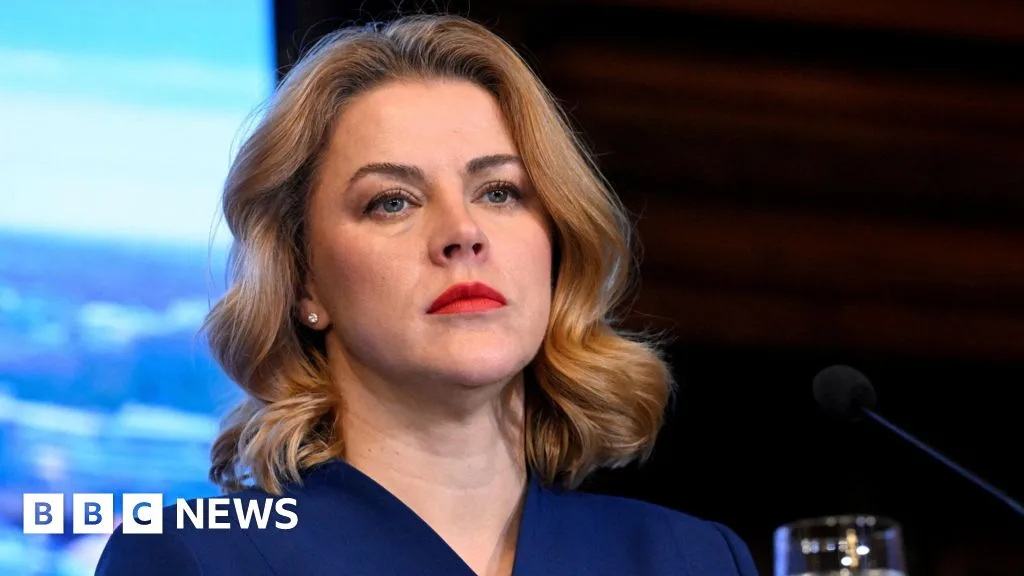
Latvian Prime Minister Evika Silina announced her resignation on May 14, 2026, ending her nearly three-year term in office [1, 2, 3]. She stepped down after the Progressives party, a junior partner in her three-party coalition, withdrew its 9 seats from the government over the firing of Defence Minister Andris Spruds [1, 4, 2, 5].
Spruds, a member of the Progressives, was dismissed earlier this month by Silina due to his handling of several incidents involving stray Ukrainian drones entering Latvian airspace [1, 4, 2, 5]. On May 7, two Ukrainian drones were electronically diverted by Russian electronic warfare and strayed over Latvia, with one crashing and causing a fire at an empty oil storage site near Rezekne, resulting in minor damage and no injuries [1, 5, 6, 7].
Silina criticized the defence sector leadership, saying the drone incursions showed they had "failed to fulfil its promise of safe skies over our country" [5]. She blamed Spruds and the defence ministry for delays in deploying drone defence systems [1, 5, 8]. The Progressives disputed this, accusing Silina of scapegoating their minister and prioritizing political interests over coalition responsibility [1, 5, 8, 7].
The withdrawal of the Progressives’ 9 parliamentary seats caused Silina’s coalition to lose its majority in the 100-seat Latvian parliament [4, 5, 7]. Silina’s New Unity party holds 25 seats and the Greens and Farmers Union hold 16, while the Progressives had been the junior partner [9, 10].
Silina said in her resignation speech, "I am resigning, but I am not giving up," and stressed her priority remained "the well-being and security of Latvia’s people" [1, 6]. She also called out what she described as "political jealousy and narrow party interests" that led to the crisis after her dismissal of Spruds [8].
President Edgars Rinkevics is set to meet parliamentary party leaders on May 15 to begin consultations on forming a new government [1, 4, 10]. Silina and her ministers will continue in a caretaker capacity until a new coalition is established ahead of the October 2026 general election [11, 3, 5].
Latvia has increased defence spending to about 5% of GDP since Russia’s invasion of Ukraine in 2022 and reintroduced compulsory military service in 2023 [1, 5]. The drone incidents involving Ukraine have affected the entire Baltic region, including Lithuania and Estonia [1, 5, 7].