Japan’s print media industry has sharply contracted, with book and magazine sales dropping to 40% of their 1996 peak of 2.6 trillion yen, and newspaper circulation halving since a 1997 peak of 53.76 million by 2025 [1, 2]. Amid this decline, self-published, handmade zines are growing in popularity, reflecting a deep cultural attachment to physical paper media [1, 2, 3, 4].
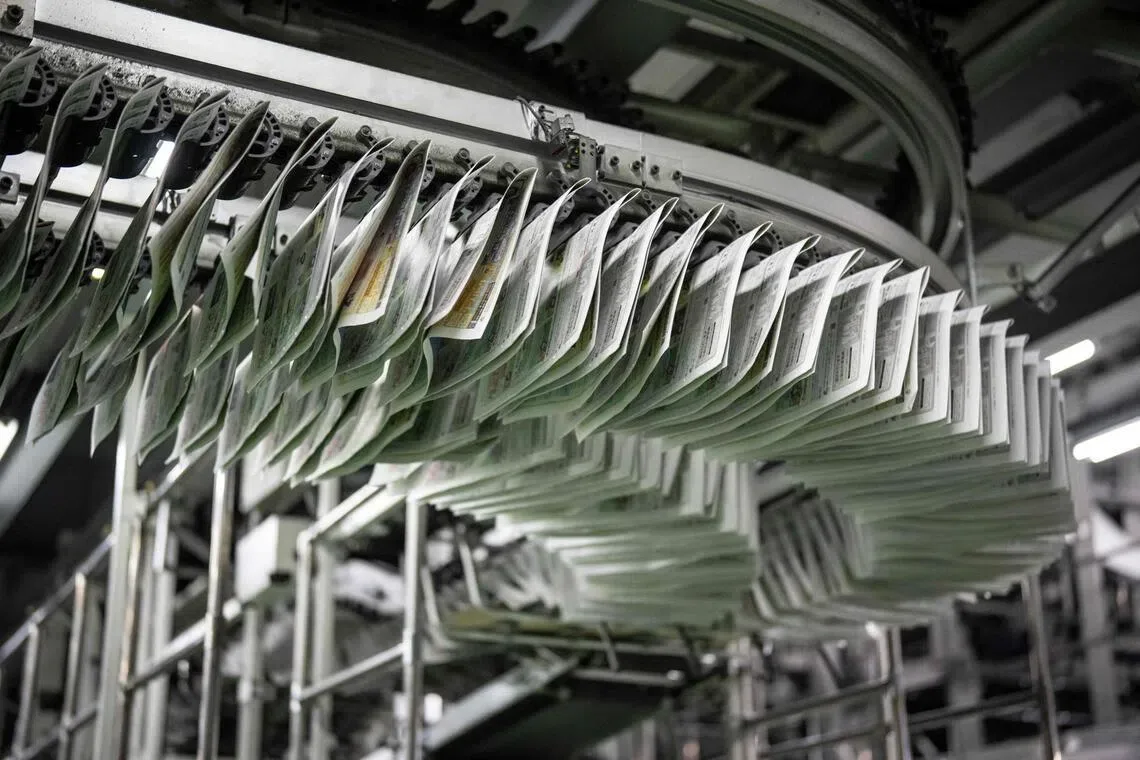
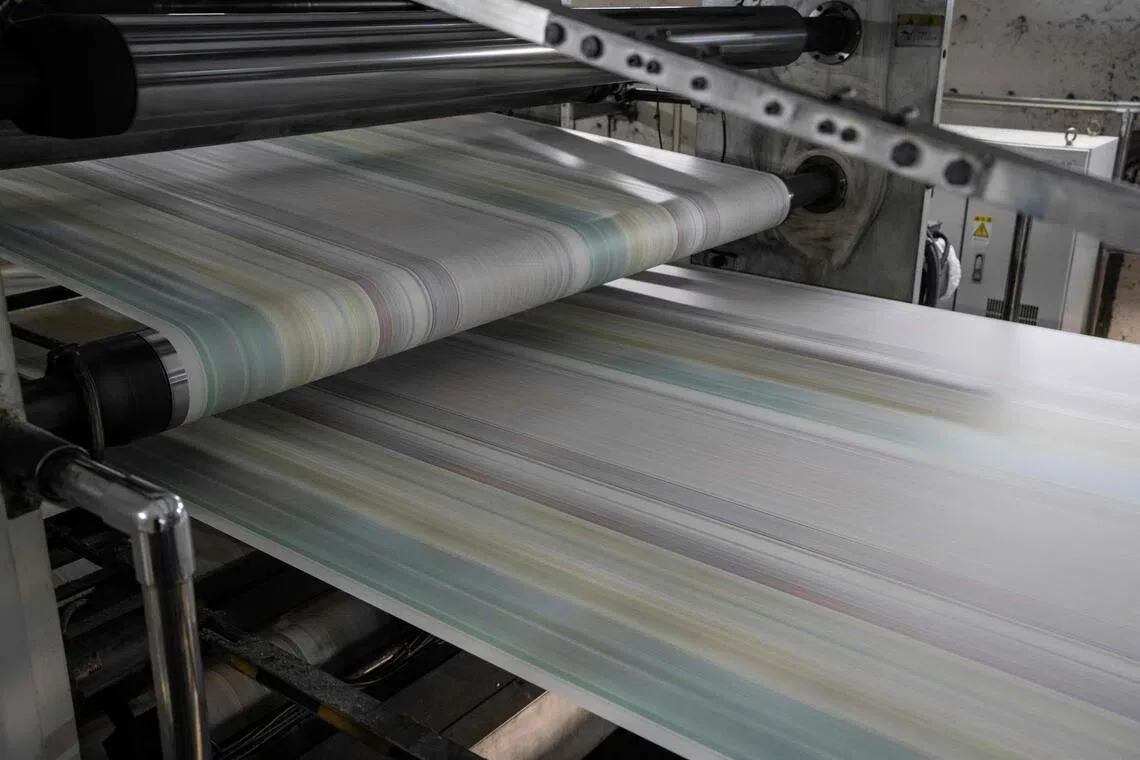
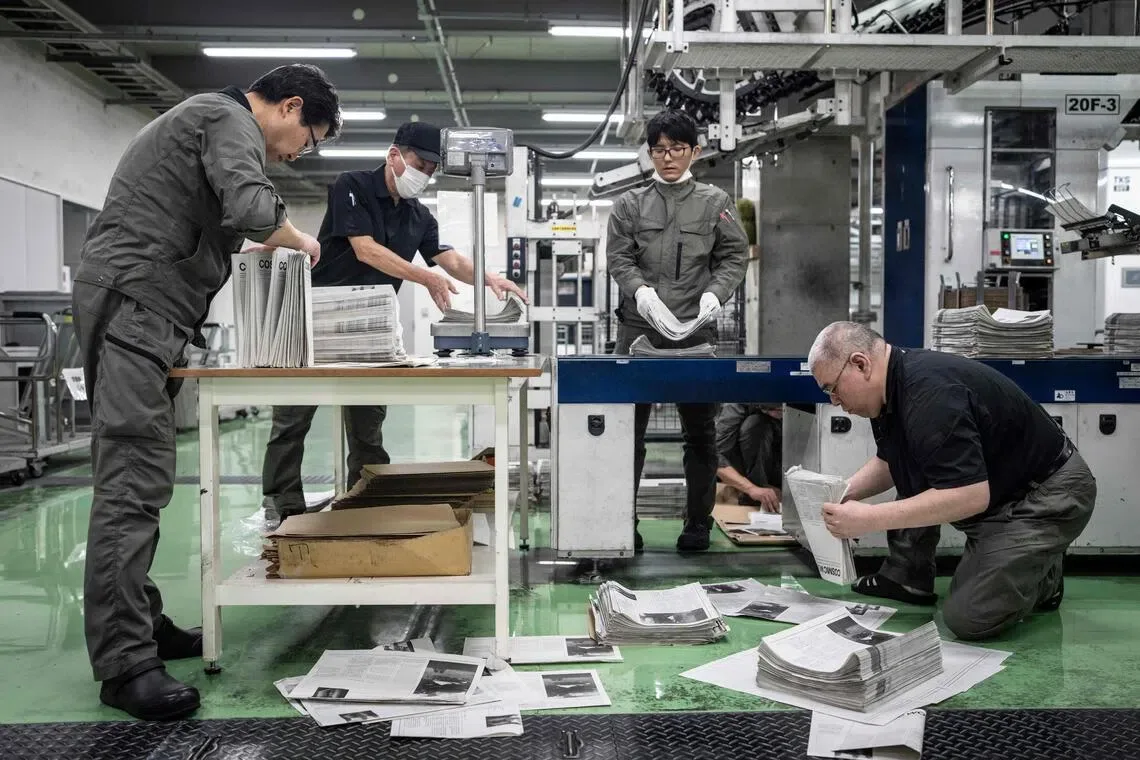
Kyoto Shimbun newspaper has made its printing presses available to independent creators to produce their own zines as subscription numbers dwindle [1, 2, 3, 4]. Its services attract artists from teenagers to those in their seventies, with the format resonating especially with younger generations because "it’s interesting precisely because it’s old," said Yoshihiko Okazaki from Kyoto Shimbun [1, 2, 4].
Photographer Kazuma Obara and writer Akihico Mori, both prominent zine creators, emphasize paper’s unique sensory appeal. Obara said, "I think (paper) is a medium that engages all five senses, unlike social media," and praised print’s openness, noting, "You can hand it to someone, you can read it together. Mobile phones are very insular." Mori added, "People can feel the creator’s passion when they hold the work in their hands. That’s what makes it so appealing, and AI simply can’t replicate it" [1].
Kyotographie, an international photography festival in Kyoto, ended in May 2026 and featured zine works by Obara and Mori, highlighting the creative vitality of the medium [1, 2]. Meanwhile, Tokyo’s Sanseido bookshop, with a 145-year history, began stocking zines about a year ago in response to demand for authentic, resonant content [4]. Artist Watashi Kishino said, "紙張帶來的溫暖與實體感是科技無法複製的," meaning "paper offers a warmth and tangibility that technology cannot replicate" [4].
The self-published zine market in Japan is expected to double to roughly 150 billion yen in 2026 compared to four years earlier [4]. Masato Sugiura noted readers seek content that truly resonates, and zines’ niche and diverse themes meet that need [4].
Many authors globally worry AI and social media will accelerate traditional publishing’s decline. A UK study from 2025 found half of novelists believe AI might replace their work [1, 2].
Kyoto Shimbun’s use of printing presses by a wide age range symbolizes an attempt to preserve a tangible connection between creators and readers as the publishing landscape shifts [1, 2, 4].