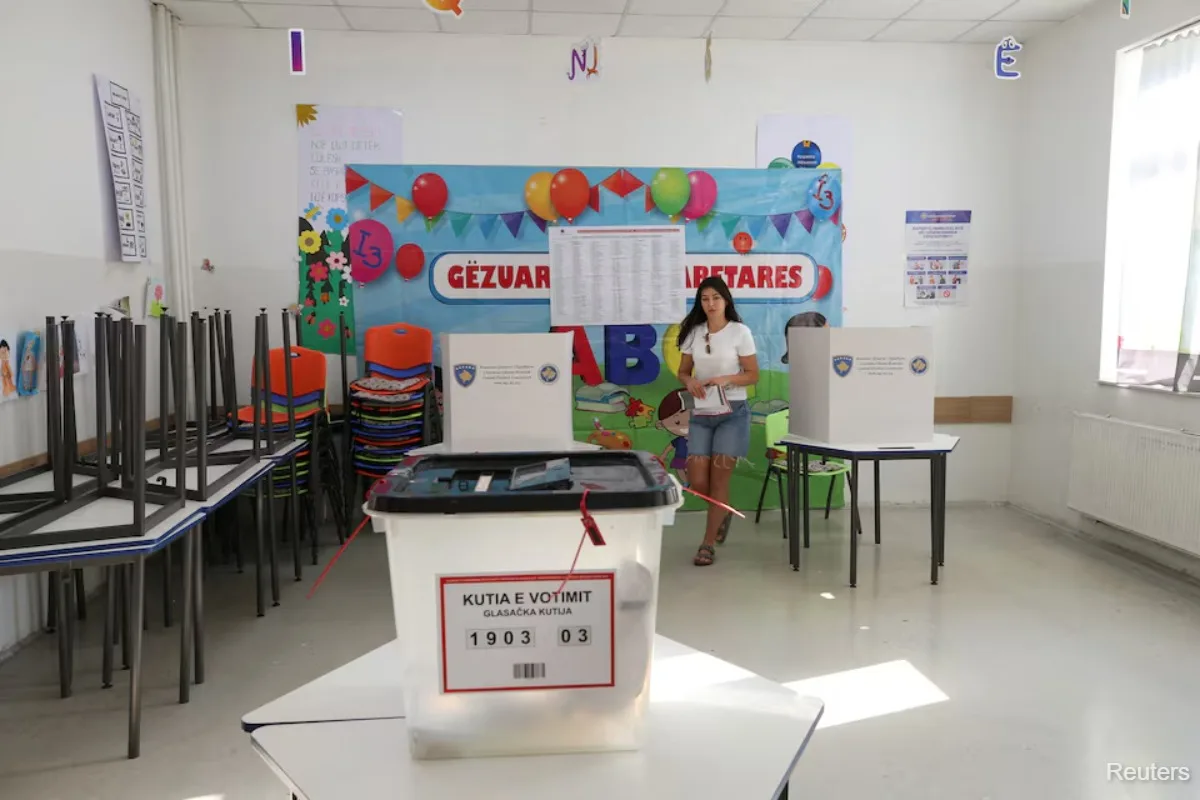
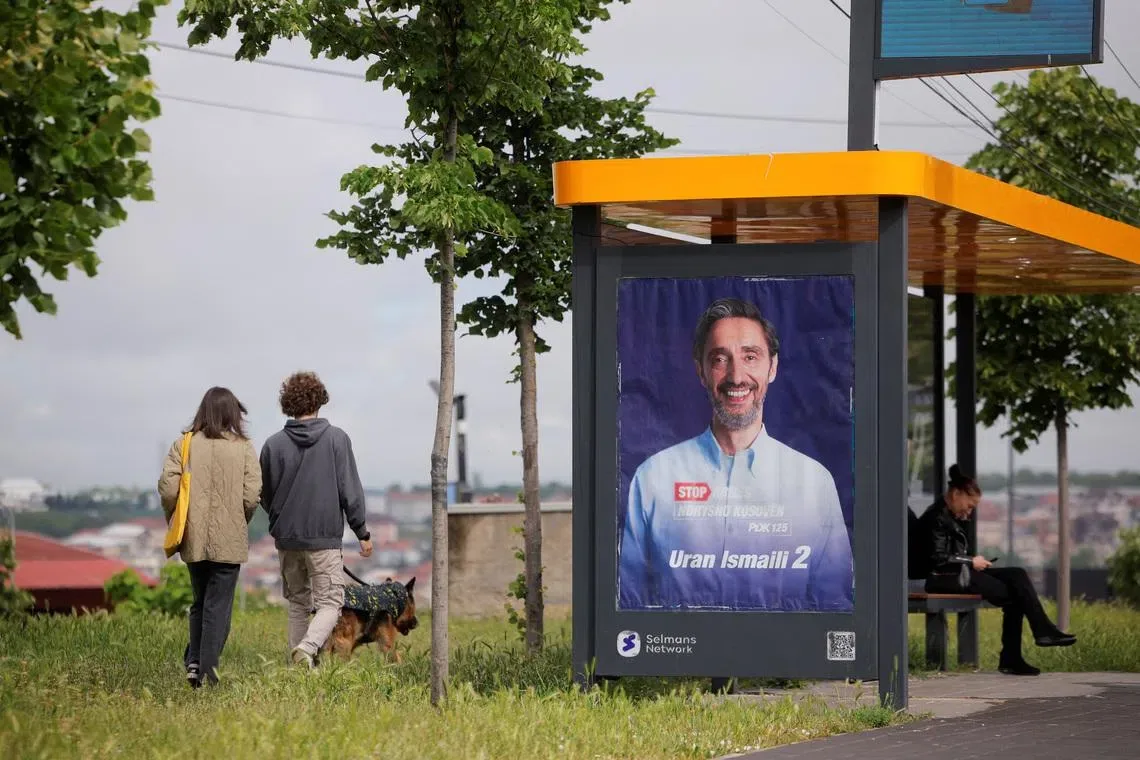
Kosovo conducted its third parliamentary election in 18 months on Sunday, June 7, 2026, following a political deadlock that left the country without a president or government [1, 2, 3, 4, 5, 6]. The snap vote came after the parliament failed in April 2026 to elect a new president upon the expiry of former President Vjosa Osmani’s term, triggering the dissolution of the assembly [1, 7, 4, 8, 6].
Prime Minister Albin Kurti’s party, Vetevendosje, won the largest share of votes with about 43%, but fell short of an absolute majority needed to govern alone [9, 8, 10, 11, 12]. This was a notable decline from the 51.1% that Vetevendosje secured in the December 2025 election, the second snap poll after an inconclusive vote in February 2025 [1, 2, 3, 10, 12, 6].
Kurti’s party must now seek cooperation with opposition parties to reach the required two-thirds majority in parliament to elect a president and form a government [1, 2, 3, 9, 7, 4, 10, 12, 6]. The Democratic Party of Kosovo (PDK) received around 21-22% of the votes, while the Democratic League of Kosovo (LDK) tallied about 17-18% [9, 8, 10, 11, 12]. Former President Osmani, once allied with Kurti, ran on the LDK ticket after he declined to support her for a second term, turning the two into political rivals [7, 4, 8, 5, 6].
Turnout in Sunday’s election was below 37%, down from 45% in December 2025, reflecting voter fatigue amid repeated polls [9]. Kosovo has roughly 2.1 million registered voters, including a large diaspora primarily in Western Europe that tends to back Kurti’s party [1, 2, 3, 6].
Kurti stressed the need for dialogue, saying, "In the coming weeks we will communicate, we will meet (the opposition), and we will cooperate with all political subjects" to end the deadlock and form a government [9]. However, analysts remain skeptical. Eugen Cakolli of the Kosovo Democratic Institute said, "We can have 10 rounds of elections, but if there is no political will to sit down and find a deal, there is no solution. I don’t see that will among the parties" [1]. European Council President Antonio Costa added, "The EU can support Kosovo, but it cannot do Kosovo’s homework" [1].
The next step will be for Kosovo’s political parties to enter negotiations aimed at electing a new president and forming a government that can break the cycle of repeated elections and paralysis. The coming weeks will reveal whether they can bridge differences and restore effective governance.