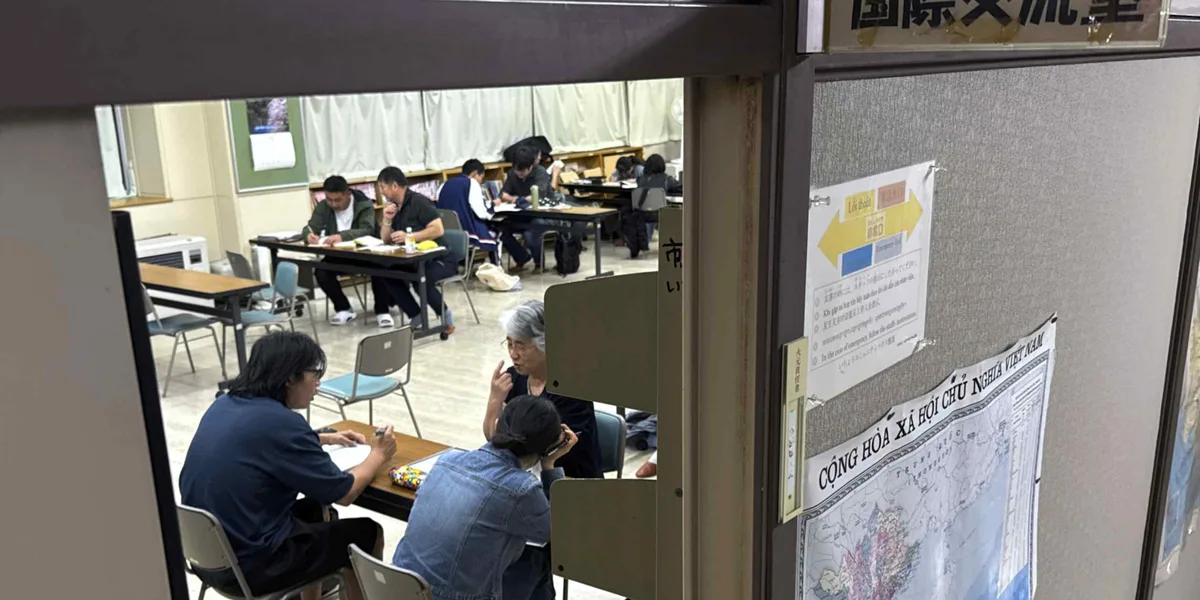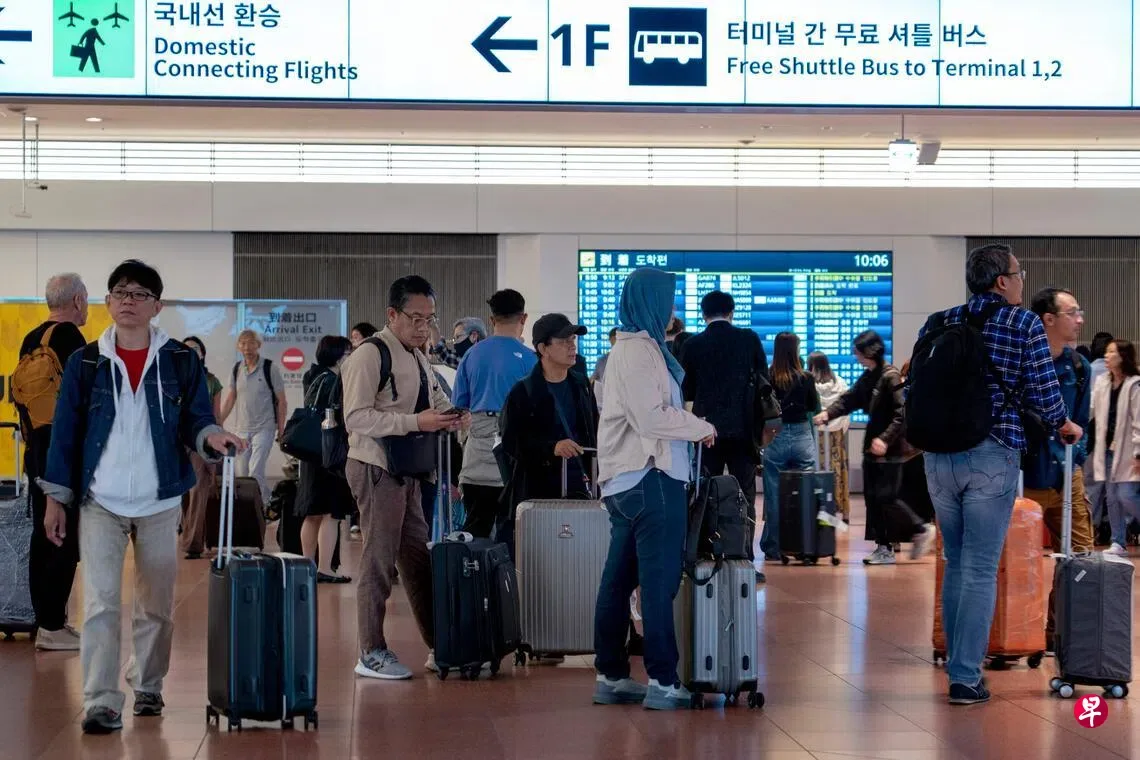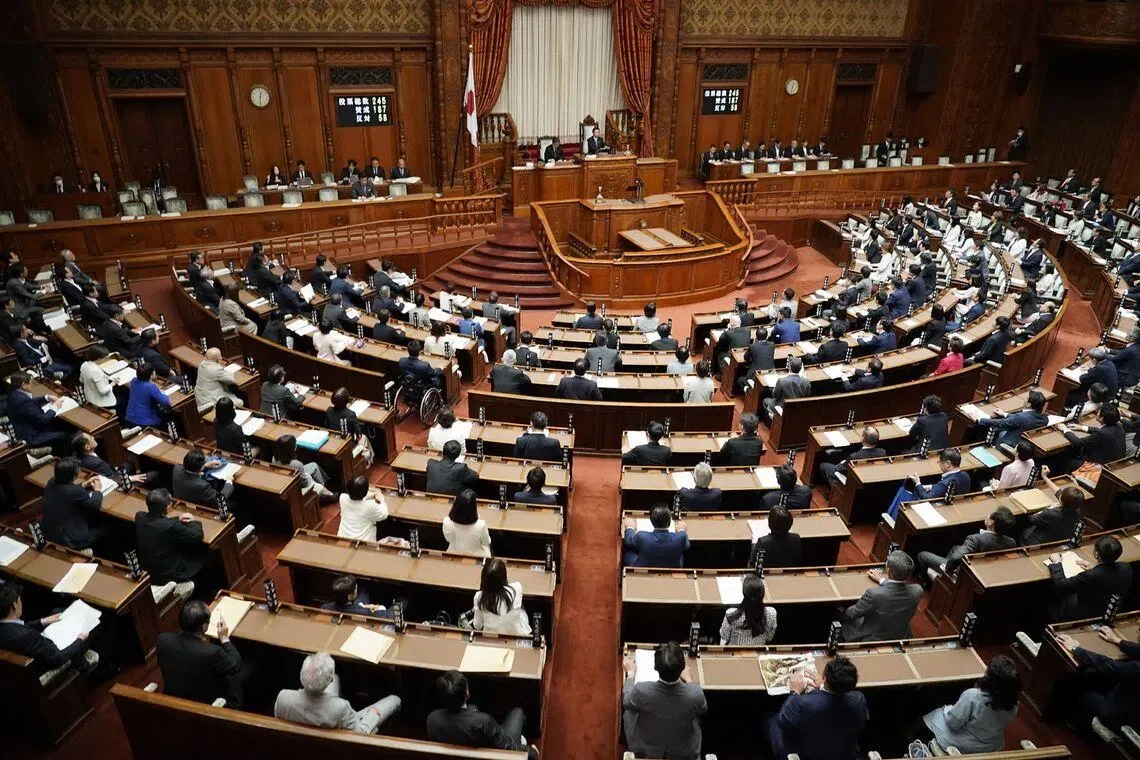
Japan’s Parliament passed a revision to its immigration control law on May 29, 2026, raising maximum fees for residence status and visa applications by foreigners living in the country [1, 2, 3, 4].
The law increases the fee cap for visa renewals and residence status changes from 10,000 yen to 100,000 yen, a tenfold increase over current rates which are around 6,000 yen for such processes [1, 3, 5]. It also raises the maximum fee for permanent residency applications from 10,000 yen to 300,000 yen [1, 6]. Actual fees paid now remain low compared to the new caps but are scheduled to be reset by Cabinet order later this fiscal year after public consultations [2, 5].
The number of foreign residents in Japan reached a record 4.13 million by the end of 2025, increasing demand for administrative resources [4]. The government says the higher fee revenue will help cover immigration system costs, support Japanese language education, and integration programs for foreign residents [4, 7]. However, several opposition parties criticized the steep fee hikes as burdensome for asylum seekers and vulnerable groups [4, 8]. The government plans some fee relief on humanitarian grounds but details remain unclear [2, 7].
The law also establishes the Japan Electronic System for Travel Authorization (JESTA), an online pre-screening system for travelers from 74 visa-exempt countries [1, 9]. Travelers from these nations will be required to submit personal and travel information online before departure. Entry will be denied for those flagged for risk of overstaying or other immigration concerns [1, 10].
JESTA is scheduled to be implemented in fiscal year 2028 [1, 5]. The first fee adjustments will take effect later this fiscal year after the Cabinet finalizes exact amounts based on public feedback [5].