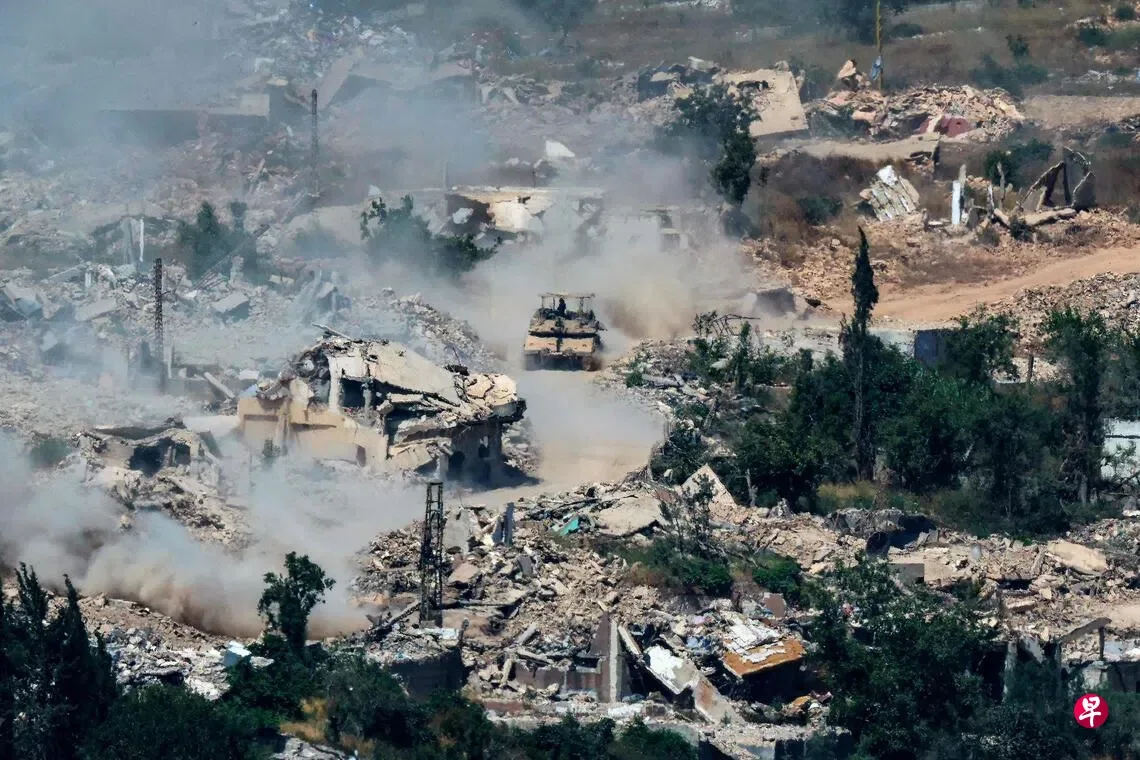
Israel has expanded its military presence up to 10 kilometers inside southern Lebanon following Hezbollah’s attack on March 2, 2026, as part of an ongoing campaign to root out the militant group [1, 2, 3, 4, 5, 6]. On June 18, Israel published a new map highlighting its expanded control near Hezbollah’s stronghold of Nabatieh, north of the Litani River [2, 3, 4, 5, 6].
Israeli officials describe their negotiations with the US over continuing the troop deployment as “stubborn” and “rigid,” firmly refusing to withdraw troops despite the US-Iran interim peace agreement signed on June 16-17. The pact calls for a ceasefire on all fronts, including Lebanon, and protection of Lebanon’s territorial sovereignty [1, 7, 2, 3, 4, 5, 6]. One Israeli senior official said, “Israel is conducting stubborn negotiations with Washington over continuing its deployment of troops in southern Lebanon and will not back down on keeping troops south of the Litani River” [1].
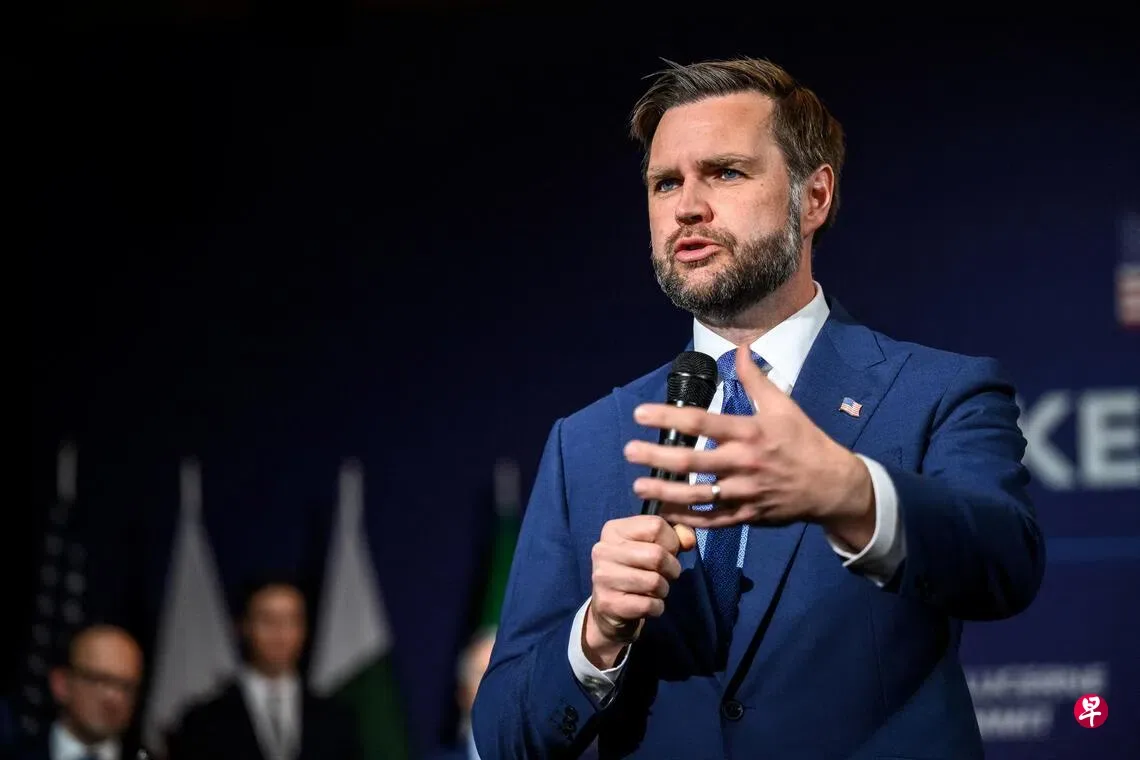
The fate of these talks depends largely on US President Donald Trump, who may apply pressure on Israel to comply with the interim deal. Vice President JD Vance defended the agreement and Trump as Israel’s only global ally, stating on June 18, “Trump is currently the only world leader who shows empathy for Israel” amid Israeli criticism [8, 9].
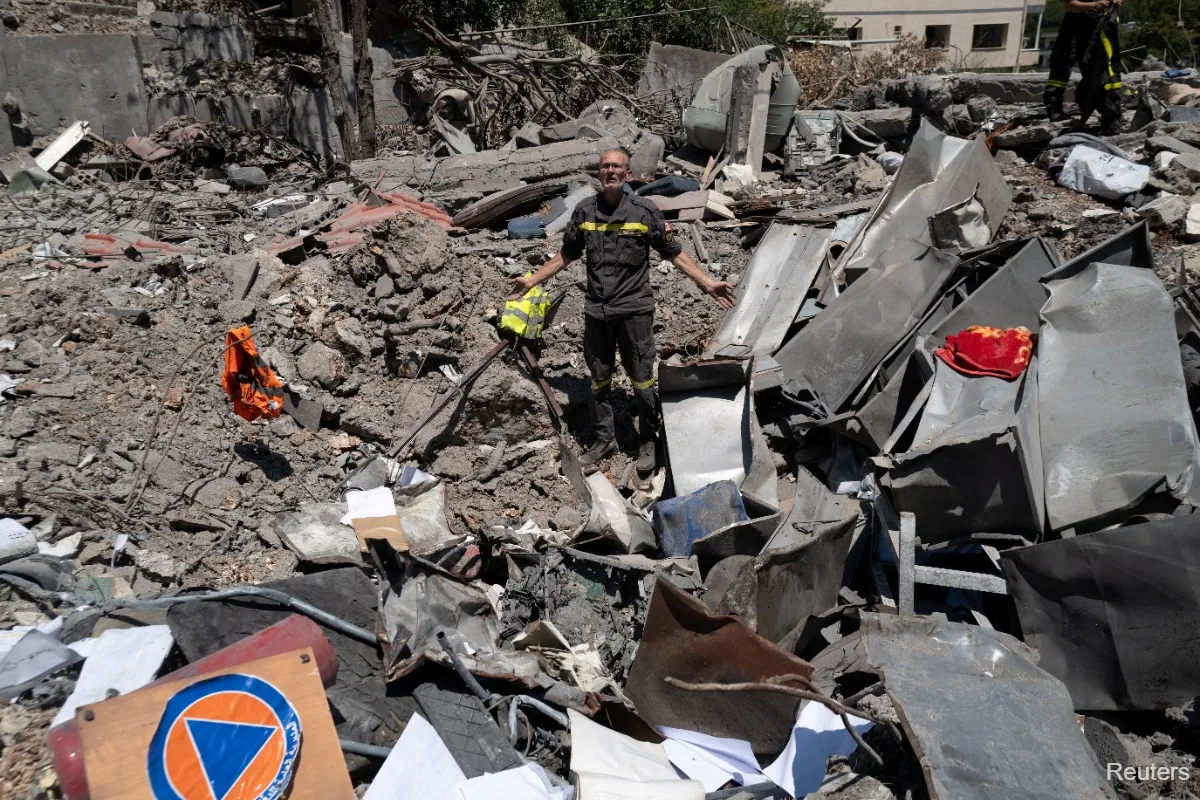
Since the March 2 Hezbollah attack, Israeli military operations have caused approximately 3,884 deaths and 11,856 injuries in Lebanon, according to Lebanese Health Ministry figures [3, 4]. Israeli forces say they will continue offensive actions “including targets outside the security zone” to protect Israeli soldiers and civilians [6]. Hardline Israeli voices condemned the US-Iran pact as a strategic defeat; Prime Minister Netanyahu rejects calls to withdraw and insists on maintaining buffer zones in Lebanon, Gaza, and Syria [5, 9, 10].
President Trump warned on June 21 that Iran must stop proxy attacks by Hezbollah in Lebanon or face renewed US strikes “with greater force” [8, 11, 12]. Meanwhile, displaced Lebanese civilians have started returning to southern Lebanon in the wake of the ceasefire framework [10].
The negotiations continue amid tensions between Netanyahu and Trump over the US-Iran deal. Israel’s stated position is clear: it will keep a military presence in southern Lebanon despite international calls for withdrawal. The US administration is set to decide soon whether to impose consequences if Israel refuses to comply with the terms of the interim agreement [1, 7, 5, 6].