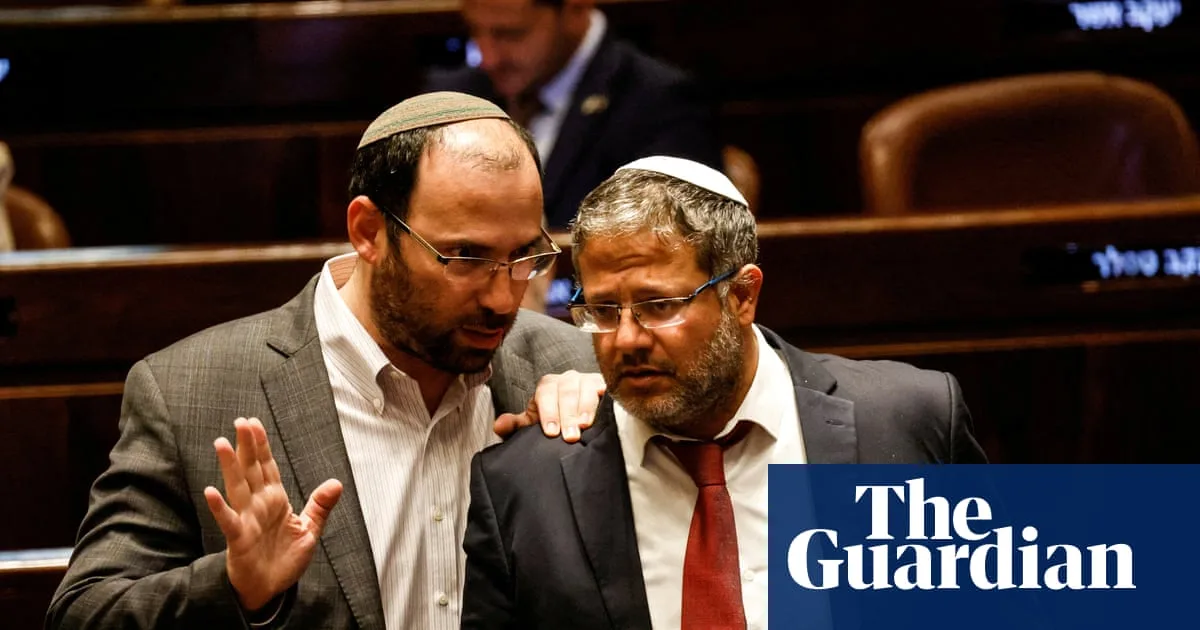
Israel's parliament passed a law to create a special military tribunal to try Palestinians accused of involvement in the Hamas attacks on October 7, 2023. The Knesset approved the measure in a 93-0 vote, with 27 members absent or abstaining, in its 120-seat chamber on May 11, 2026 [1, 2, 3, 4].
The law gives the tribunal authority to impose the death penalty on convicted individuals linked to the attacks. It sets up a three-judge military court based in Jerusalem, with proceedings to be public and livestreamed [2, 4, 5]. The court will target militants captured during or after the Hamas attacks who face charges including participation in the assault and hostage-taking [1, 3]. Approximately 200-400 Palestinians remain detained and are expected to be tried under the law, though some sources indicate the number may be closer to 200-300 [2, 3, 6, 5].
Israeli officials hailed the law as a way to hold perpetrators accountable. Justice Minister Yariv Levin said the law will "record this 'historical massacre' and ensure victims, hostages and perpetrators will be remembered for generations" [7]. Knesset member Yulia Malinovsky said, "May everyone see how the victims and their families look into the whites of the eyes of those murderers, rapists and kidnappers... We have reached the finish line, which is actually the starting line: the beginning of historic trials, which the whole world will see." She added, "They will be sentenced by Israel's judges, not by the street or by what we all feel" [1, 2]. Some Israeli politicians compared the tribunal to the televised 1962 Adolf Eichmann trial that ended with a death sentence [1, 8].
Human rights groups and legal experts raised concerns about fair trial protections. Lawyer Muna Haddad of Adalah said the law permits mass trials that deviate from evidence rules and allow evidence obtained under coercion or torture, violating international law standards [5]. Ya’ara Mordecai, an expert on international law, warned of risks that the trials could become politicized "show trials" [4]. The UN High Commissioner for Human Rights Volker Turk called on Israel to repeal the law, stating, "There must be full accountability for these horrific attacks, but this cannot be achieved through trials that fall short of international standards... This law must be overturned." Turk also said the legislation "will inevitably institutionalise one-sided justice and discrimination against Palestinians," violating human rights law [6, 9].
The law explicitly blocks the release of suspects via prisoner exchange agreements [3]. The tribunal is intended to conduct public, livestreamed trials to allow international scrutiny [4, 7]. The legislated process marks the first time since the 1960s that Israel has created a military court with death penalty powers linked to terrorism-related offenses.
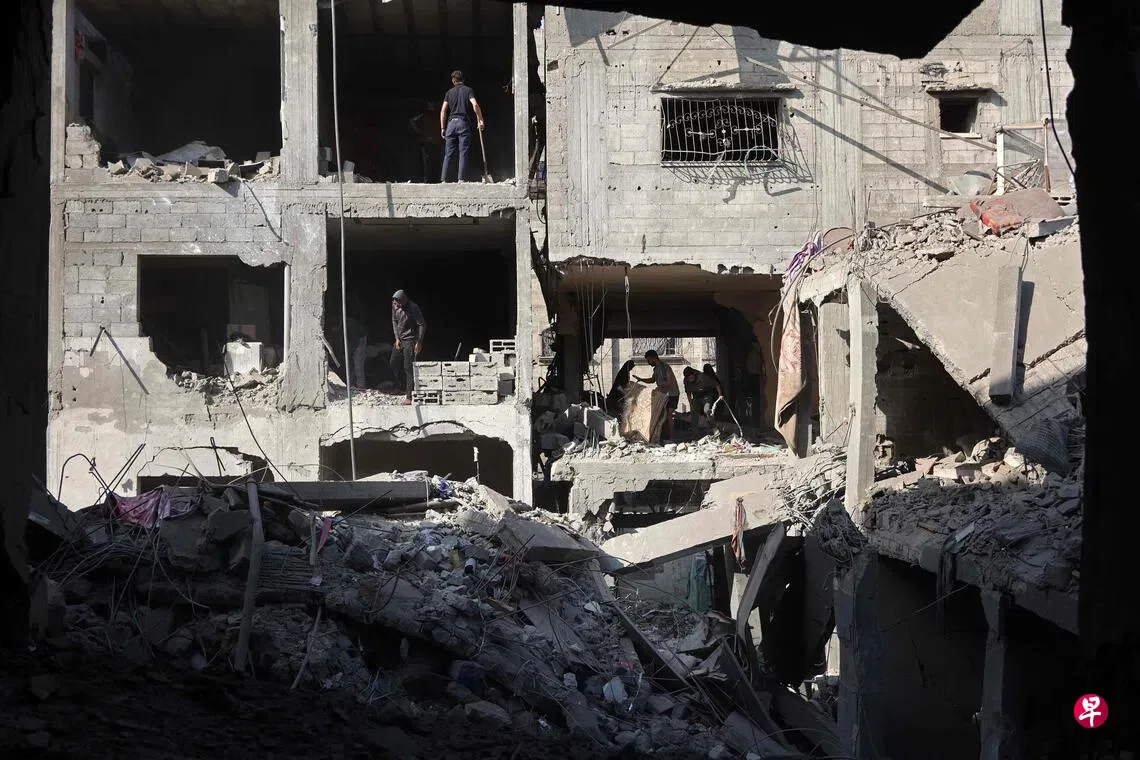
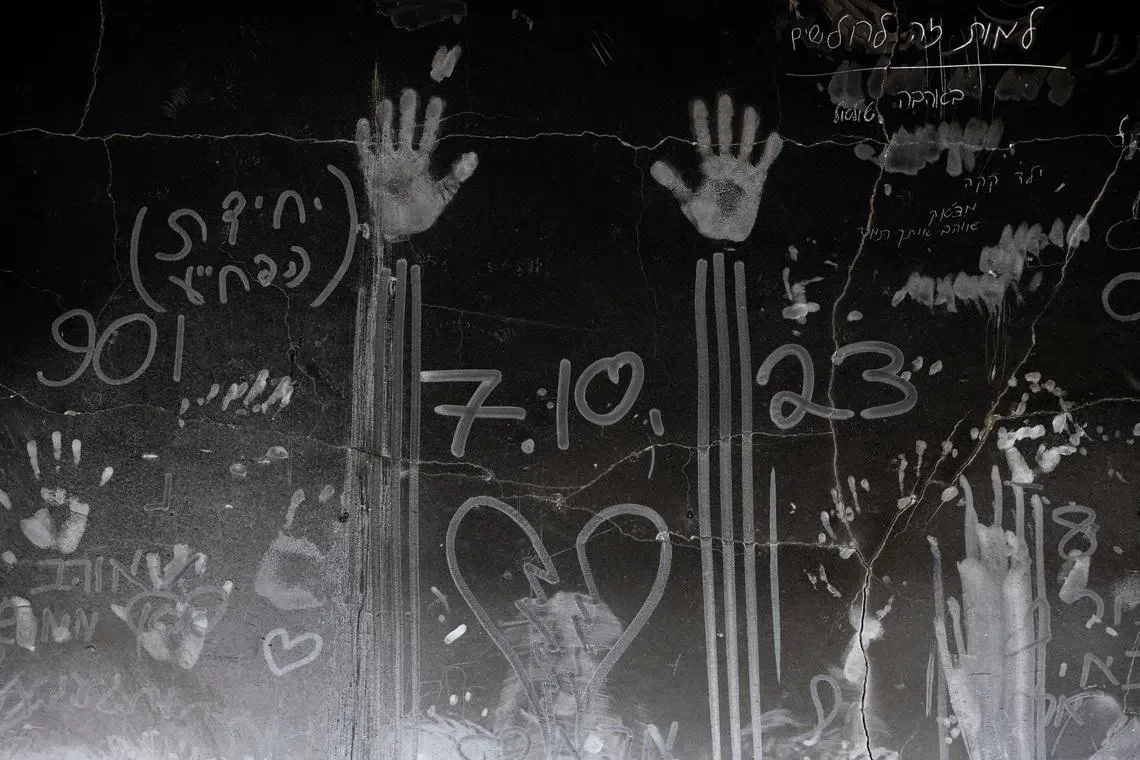
The law passed in the wake of the October 7, 2023 Hamas surprise attack on Israel that killed over 1,200 people and kidnapped 251 hostages. Israel captured hundreds of militants during and after the attack, including members of Hamas's elite Nukhba unit [1, 2, 3]. On May 12, 2026, the UN High Commissioner for Human Rights publicly called for the law to be repealed [6].