India temporarily blocked the Telegram app nationwide from June 16 to June 22 over concerns it was used by cheating rackets to defraud candidates ahead of the National Eligibility cum Entrance Test (NEET) re-examination scheduled for June 21, 2026 [1, 2, 3, 4, 5, 6]. The government also ordered Telegram’s message editing feature disabled in India until June 30, as it was allegedly exploited to fabricate evidence of exam paper leaks [1, 5, 6].
The Ministry of Electronics and Information Technology issued the order under Section 69A of India’s Information Technology Act, a legal provision permitting the blocking of online platforms to protect sovereignty and integrity [2, 4, 5]. Officials said the steps were taken "in the interest of public order, in response to the organized use of the platform by cheating rackets to defraud candidates appearing for the NEET (UG) 2026 re-examination" [5].
The original NEET undergraduate medical entrance exam, taken by over 2.2 million candidates, was held on May 3 but cancelled on May 12 after question paper leak allegations emerged [1, 2, 6, 7]. The Central Bureau of Investigation and other authorities have arrested more than a dozen suspects linked to the leaks [1, 6].
The ban on Telegram was enforced rapidly through telecom providers and app stores including Google Play and Apple App Store [8, 9]. Prior to the ban, the government held private talks with Telegram for two weeks, accusing it of failing to remove channels offering leaked exam papers. Telegram denied the claims, saying it removed more than 900 unlawful links promptly [10, 11, 8, 9, 7]. Telegram founder Pavel Durov criticized the ban, stating, "It punishes the platform’s users, while the exam leaks have moved elsewhere" [8, 9, 7].
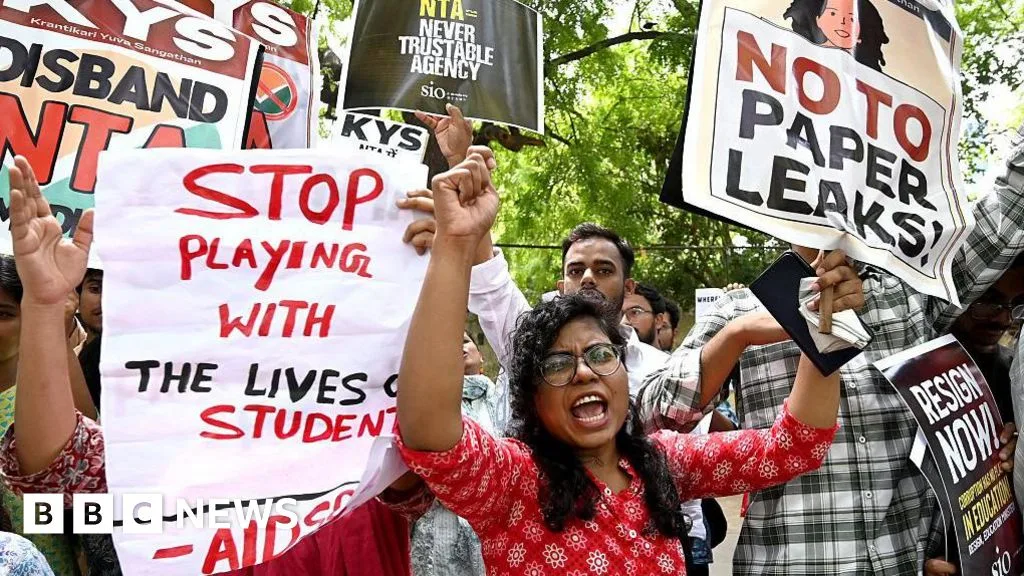
Digital rights groups and activists protested the restrictions, calling the ban a disproportionate "band-aid solution" that infringes on free speech [1, 2, 4, 5, 6, 7]. Telegram challenged the ban in the Delhi High Court, arguing it was "unconstitutional," a "grossly disproportionate" measure restricting users’ fundamental rights [10, 8, 9, 7].
On June 19, the Delhi High Court rejected Telegram’s appeal and upheld the temporary ban, saying the government had followed proper legal procedures. Judge Tejas Karia ruled, "The government orders banning the app were reasoned orders and had strictly followed the legal procedure" [8, 9].
Telegram has over 150 million users in India, making it its largest market. The government argued the app’s features, such as large groups and concealed user identities, posed unique enforcement challenges against fraud [10, 11, 8, 9, 7]. Following the exam leak controversy, student protests erupted nationwide, including demands for Education Minister Dharmendra Pradhan's resignation [2, 3, 4, 12, 6, 7]. Opposition leader Rahul Gandhi publicly called for the minister’s resignation over the leaks [6].
The NEET re-examination is scheduled for June 21 across India, with the Telegram ban remaining in place until June 22 and the message editing feature disabled until June 30 [1, 2, 3, 4, 5, 6].