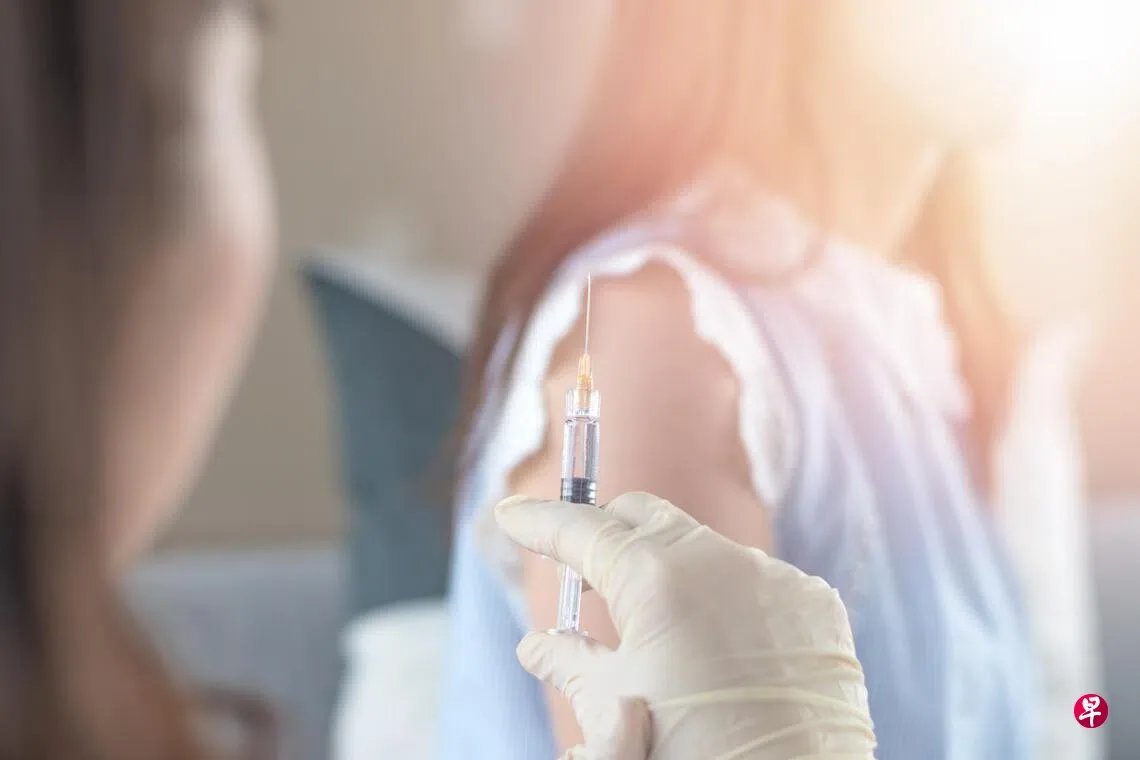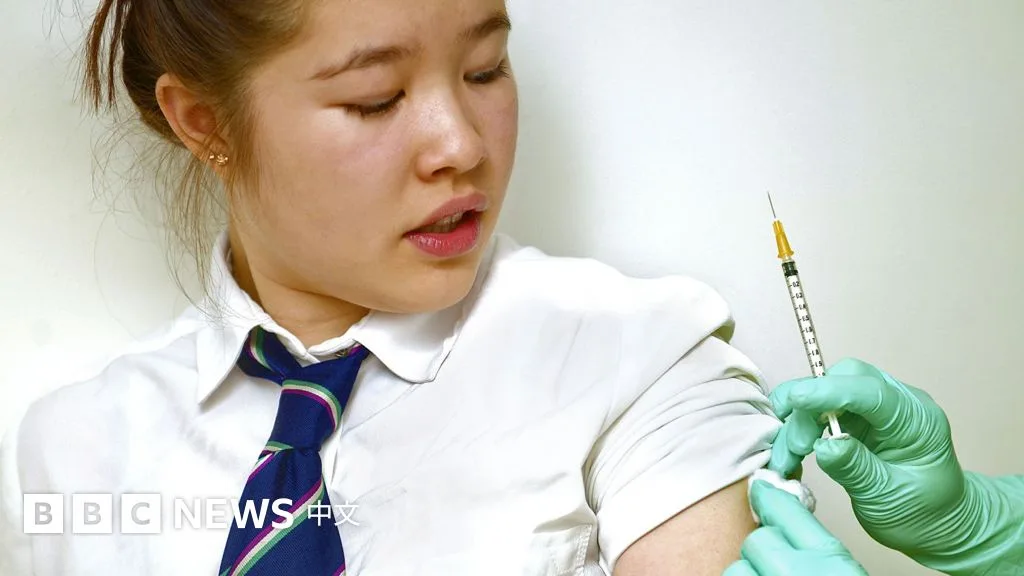
England’s HPV vaccination program has nearly eliminated cervical cancer deaths in women younger than 30, official data shows. Between 2020 and 2024, no women aged 20 to 24 died from cervical cancer, an outcome experts attribute to vaccines introduced in 2008 for girls and expanded to boys in 2019 [1, 2, 3, 4, 5, 6].
HPV causes about 99% of cervical cancer cases, spreading mainly through skin-to-skin sexual contact. While many HPV infections resolve naturally, persistent infection with high-risk strains can lead to cervical and other cancers [2, 4, 5, 6]. The HPV vaccine also protects against anal, penile, vaginal, throat, and other cancers linked to the virus [1, 2, 3, 4, 6].
Experts estimate the vaccine has saved nearly 200 young women’s lives in England so far. Peter Sasieni, lead researcher, said, “Since its introduction, HPV vaccination has prevented nearly 200 young women from dying from cervical cancer in England. But that’s just the tip of the iceberg – as vaccinated generations grow older, we’ll see many more lives saved.” [1, 3] He called it “incredible” that a single vaccine dose could almost eradicate a cancer type [2].
For women aged 30 to 34 who were vaccinated, risk of cervical cancer death drops by 63% compared to unvaccinated peers [1]. Despite this, HPV vaccine coverage among girls under 15 was 76% in 2024-2025 in England, below the World Health Organization’s 90% target for global elimination of cervical cancer [2, 5, 6]. Public health officials continue encouraging increased vaccine uptake, particularly in communities with low coverage, combined with regular cervical screening for women aged 25 to 64 [2, 5, 6].
Michelle Mitchell of Cancer Research UK called the results “an incredible milestone and major progress in our mission to beat cancer.” She added the study provides proof the vaccine is saving lives, not just preventing cancer incidence [2, 4].
Alexandra Legg, diagnosed with cervical cancer at 30 before vaccines were introduced, supports vaccination. She said, “I am a strong advocate of this vaccine. When my daughter Ivy reaches the right age, she will be among the first to get it.” [2, 5, 6]
England aims to eliminate cervical cancer as a public health issue by 2040 through sustained vaccination and screening efforts [2, 5, 6].