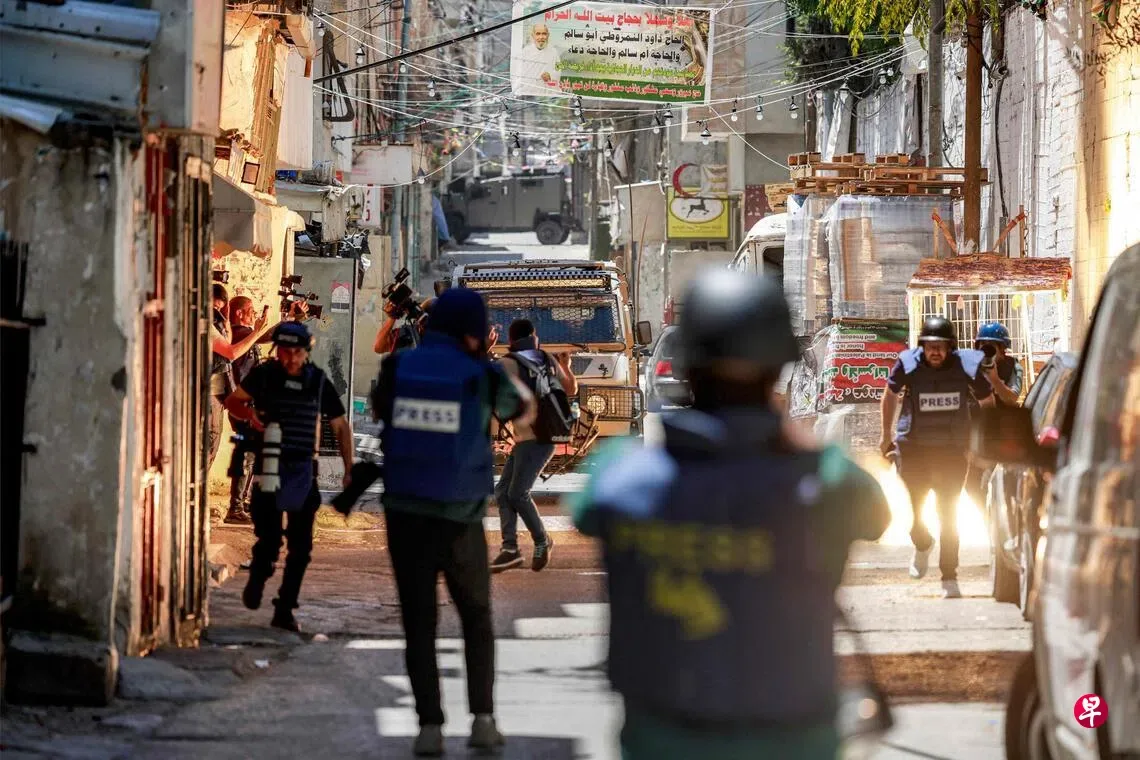
France is working with the United Kingdom, Norway, and several other countries to coordinate national sanctions targeting individuals linked to recent violence in the West Bank [1, 2, 3]. These sanctions are expected to include asset freezes and travel bans, though each country may adopt different lists of individuals subject to restrictions [1, 2, 3].
The effort comes after attempts to pass uniform EU sanctions against Israel were blocked due to a lack of unanimity among member states [1, 2, 3]. In late May, the European Union imposed sanctions on Israeli settlers and organizations supporting settlement activity [4]. On May 22, seven Western nations—including France, Britain, Australia, Canada, Italy, Germany, and New Zealand—jointly called on Israel to halt expansion of settlements and settler violence in the West Bank [1, 2, 4].
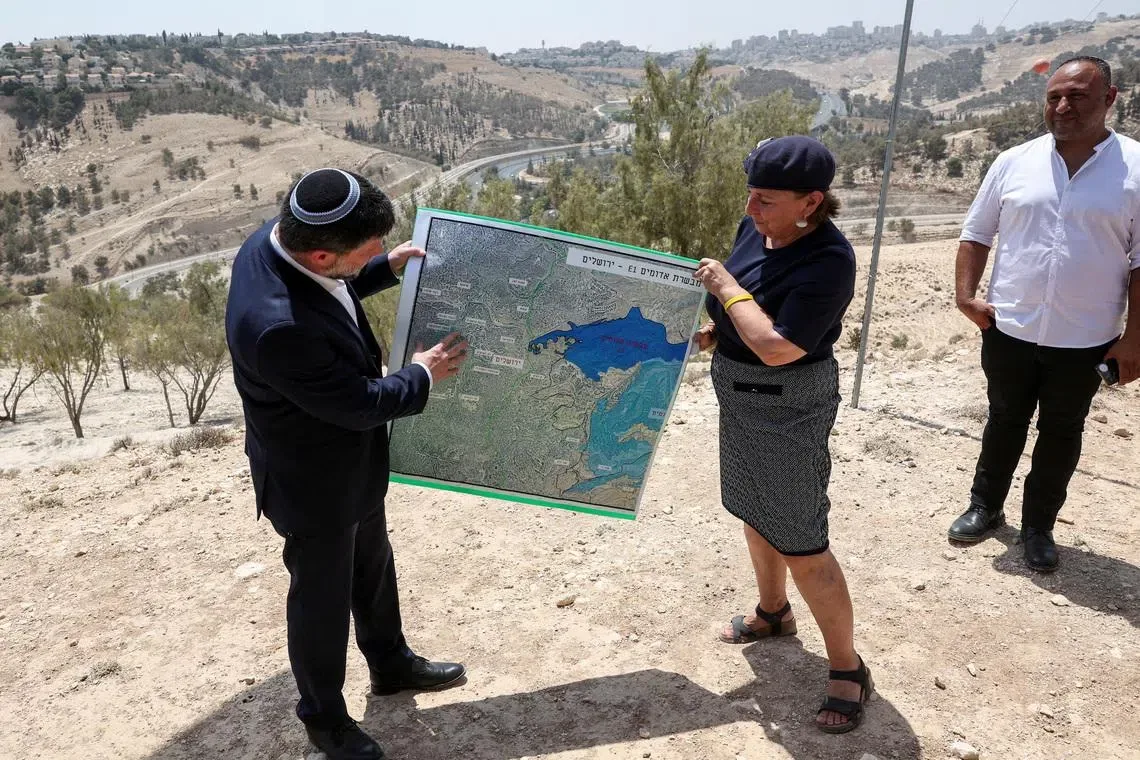
France’s coordinated sanctions focus on Israel’s expansion of settlements in the West Bank, especially the controversial E1 project east of Jerusalem, which critics say undermines the potential for a Palestinian state [1, 2, 3]. Violence in the West Bank has escalated, with reports of shootings and injuries to Palestinian civilians, including an infant in Hebron [2].
French Foreign Minister Jean-Noel Barrot said today that further sanctions against Israeli settlers and supporting entities could be imposed in the coming days. "We could go further, and in the coming days, further sanctions could be imposed," Barrot said. He expressed deep concern about the escalation of illegal settlement activity and settler violence [4]. Israeli Foreign Minister Gideon Saar criticized the EU sanctions, saying they were arbitrary and politically motivated, targeting Israeli citizens and entities without basis [1].
To maintain focus on the issue, France plans to host a ministerial meeting in Paris on June 12. The meeting will invite Israeli and Palestinian civil society groups along with about a dozen foreign ministers to discuss developments in the West Bank [3].