Delhi Chief Minister Rekha Gupta announced a 90-day fuel-saving campaign starting May 14, mandating two days per week work-from-home for government employees and other austerity measures to tackle energy shortages [1, 2, 3, 4, 5].
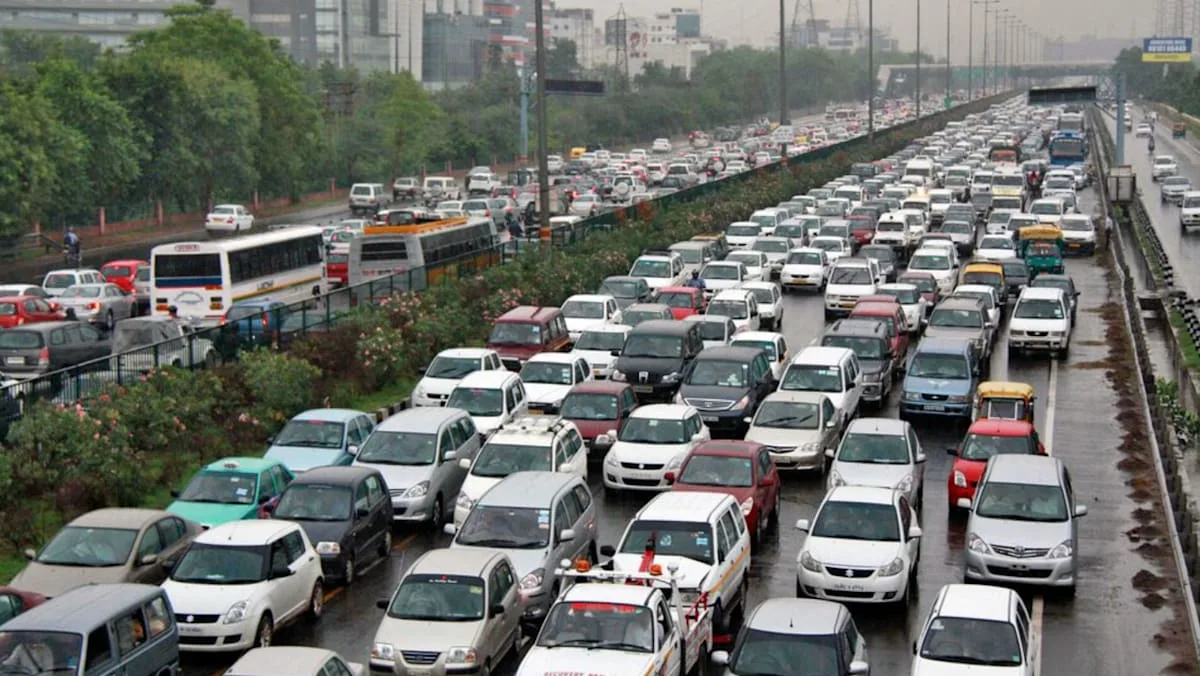
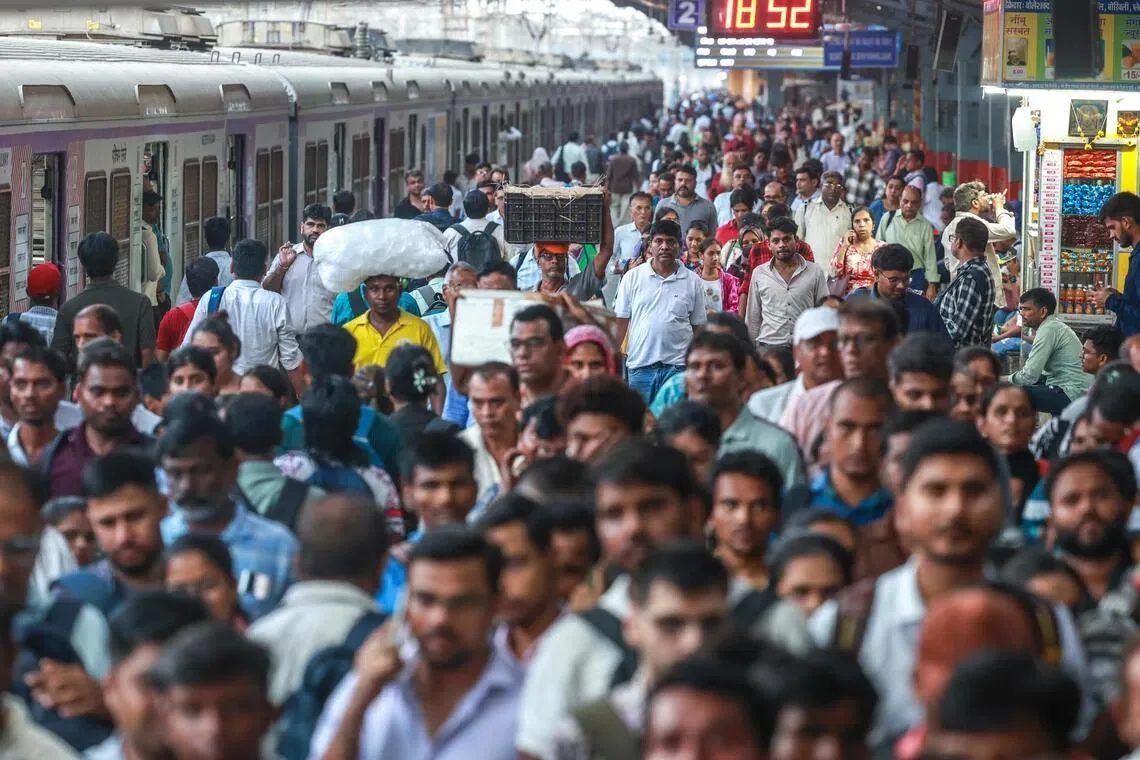
The measures respond to disruptions in oil and gas imports caused by the ongoing Middle East war and the blockade of the Strait of Hormuz, through which 20% of global oil and gas pass [1, 3, 4, 5]. Gupta urged the public to reduce private vehicle use, saying, "Our appeal to the people of Delhi is that once a week, each of us should have a no-vehicle day" to encourage public transport [1].
The government will stop purchases of new petrol, diesel, CNG, or hybrid vehicles for six months and has reduced the official vehicle fleet by 60%, now retaining only four vehicles, half electric [1, 2, 3, 4, 5]. Fuel allocation per official vehicle has been cut 20%, from 200–250 liters monthly to 160–200 liters, with Gupta noting departments have already cut fuel spending to the minimum necessary [3].
Large official public events will be canceled for three months, and official foreign travel is banned for one year [1, 2, 3, 4, 5]. Government offices will set air conditioning between 24 and 26 degrees Celsius to save electricity [3, 4, 5].
The government is encouraging the private sector to voluntarily adopt work-from-home and fuel-saving steps [1, 2, 3, 4, 5]. It will also promote "Make in India" products in procurement and public places to support local manufacturing [3, 4, 5].
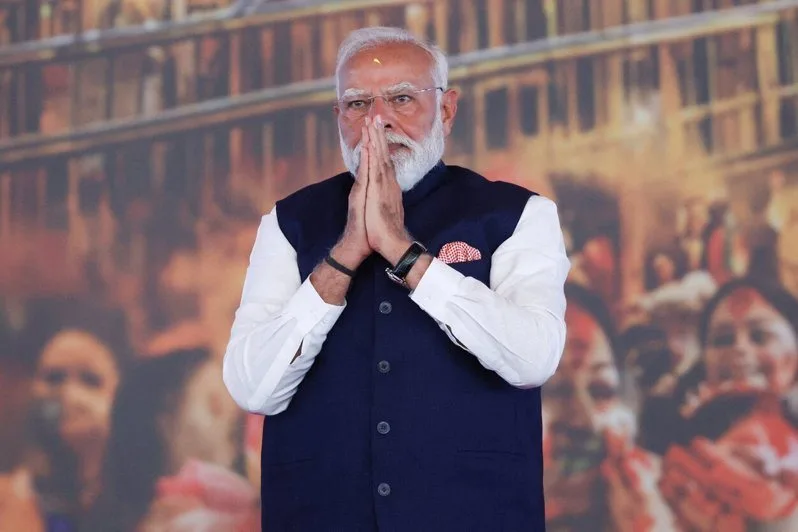
The campaign follows a May 10 call by Prime Minister Narendra Modi for national fuel use restrictions and efforts to save foreign exchange by reducing fuel imports. Modi also urged cutting gold purchases and edible oil usage as part of austerity related to the energy crisis [1, 3, 4, 5].