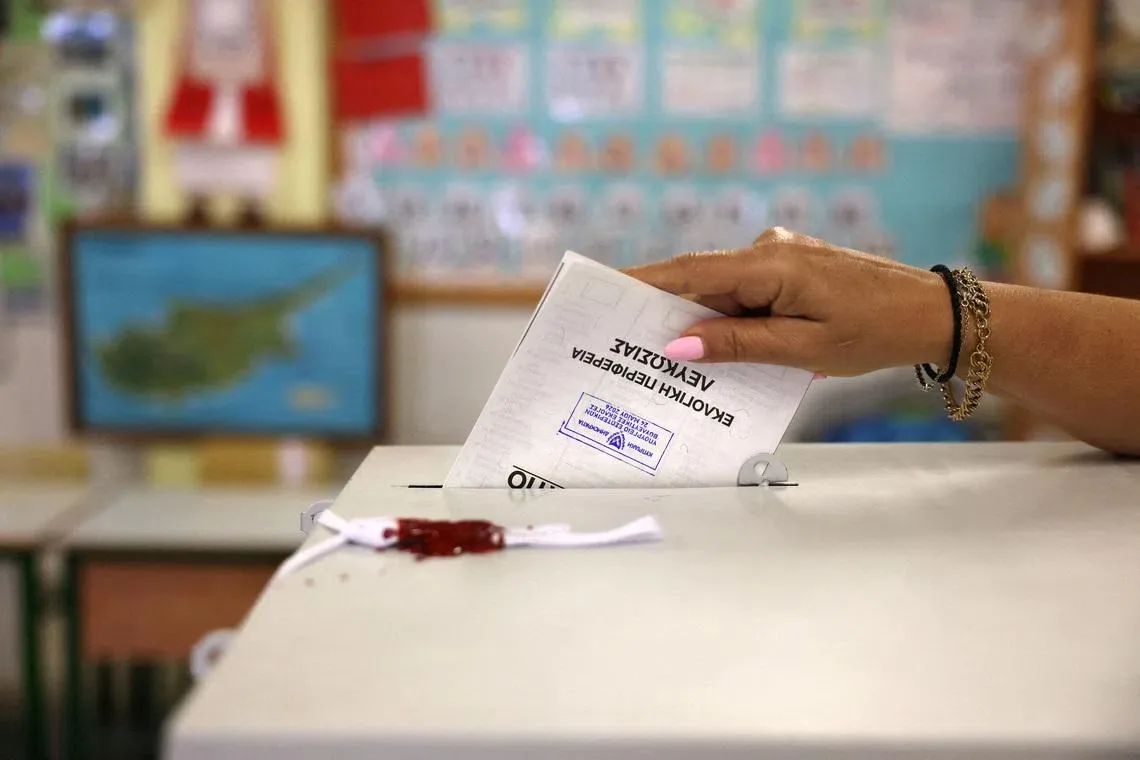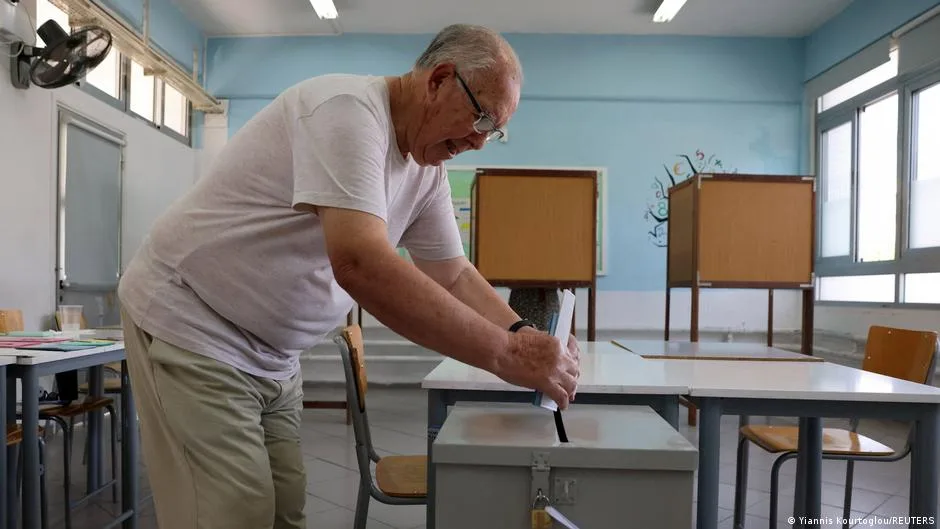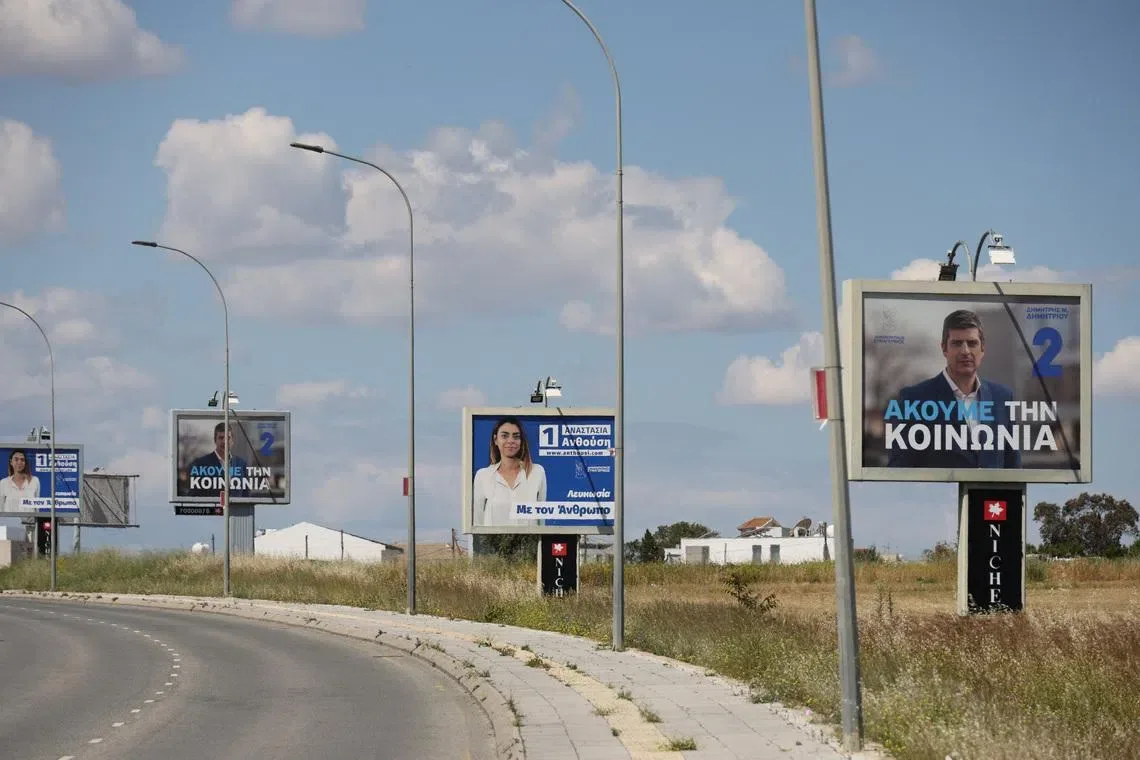
Cyprus held parliamentary elections on May 24, 2026, to elect 56 lawmakers from a record 753 candidates competing for seats in the 56-member House of Representatives [1, 2, 3]. The vote could reshape the political landscape by weakening dominant parties and boosting newcomers, according to analysts [1, 2, 3].
Reformist newcomer ALMA and pro-European Volt are expected to enter parliament for the first time. ALMA, founded by former auditor general Odysseas Michaelides after his 2024 removal, camps on anti-corruption reforms, while Volt highlights growing public frustration with corruption and political dysfunction [1, 2]. ALMA is estimated to win 8-10% of the vote, with Volt surpassing the 3.6% threshold to enter parliament [1].
The far-right ELAM party is forecast to gain about 10% and become the third largest party [1, 2, 3]. Meanwhile, traditional dominant parties DISY (right-wing) and AKEL (left-wing communist) saw support decline, each expected to get around 20% of the vote [1, 3]. Centrist parties backing President Nikos Christodoulides, such as Diko, Dipa, and EDEK, also weakened considerably [2].
Christodoulides, elected in 2023 as an independent and former DISY member, lacks a political party and depends on parliamentary allies to pass legislation [1, 2, 3]. Political analyst Christoforos Christoforou called the election "a vote of protest towards established parties which will also, to an extent, be directed towards the government" [1]. Volt Cyprus co-chair Andromachi Sophocleous said, "We feel that the public is completely fed up with politics not bringing any improvement to their lives" [1].
Sotiris Paroutis, another political analyst, described the result as "a profound transformation of [Cyprus’s] political scene," marked by weakening dominant parties and the emergence of new movements [3]. The outgoing parliament had seven parties represented, but the new results could increase fragmentation with newcomers gaining seats [1].
Corruption scandals, including cash-for-passports controversies, along with soaring electricity bills, have dented public trust in the establishment [1, 3]. Analysts note the election also serves as a gauge of public sentiment ahead of the next presidential vote in 2028 [2, 3].
President Christodoulides may explore post-election alliances with parties such as far-right ELAM and DISY to secure a working majority, according to some observers [2]. The full composition of the new parliament is expected to be finalized in the coming weeks as official results are confirmed.
The next parliamentary session will offer the first concrete test of how the newly fragmented legislature will govern and how effectively the president can advance his agenda before the 2028 presidential election [2, 3].