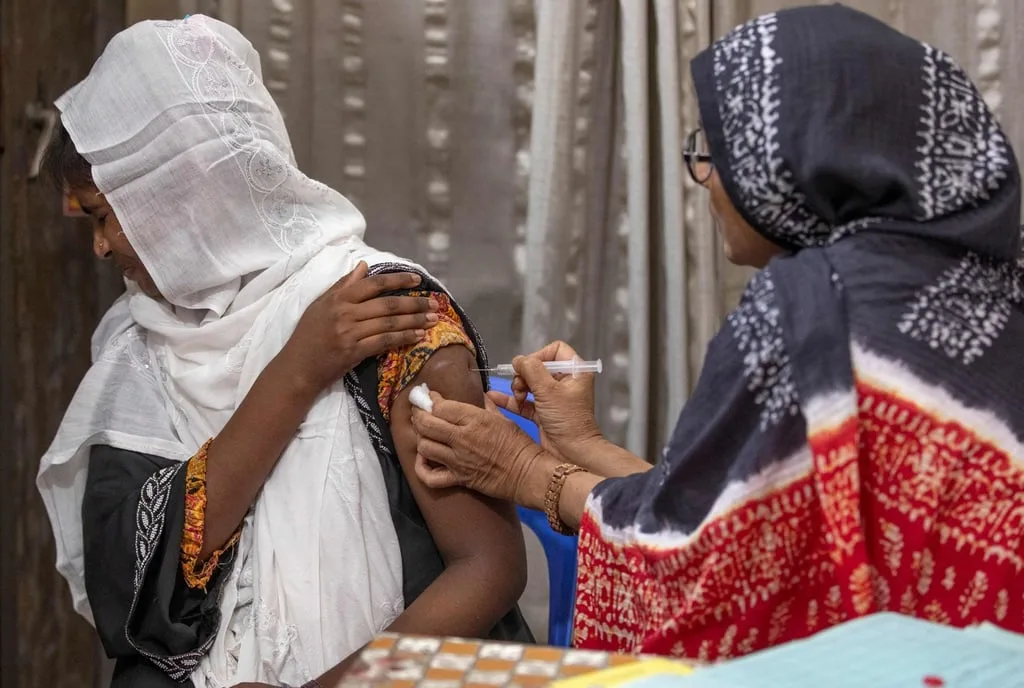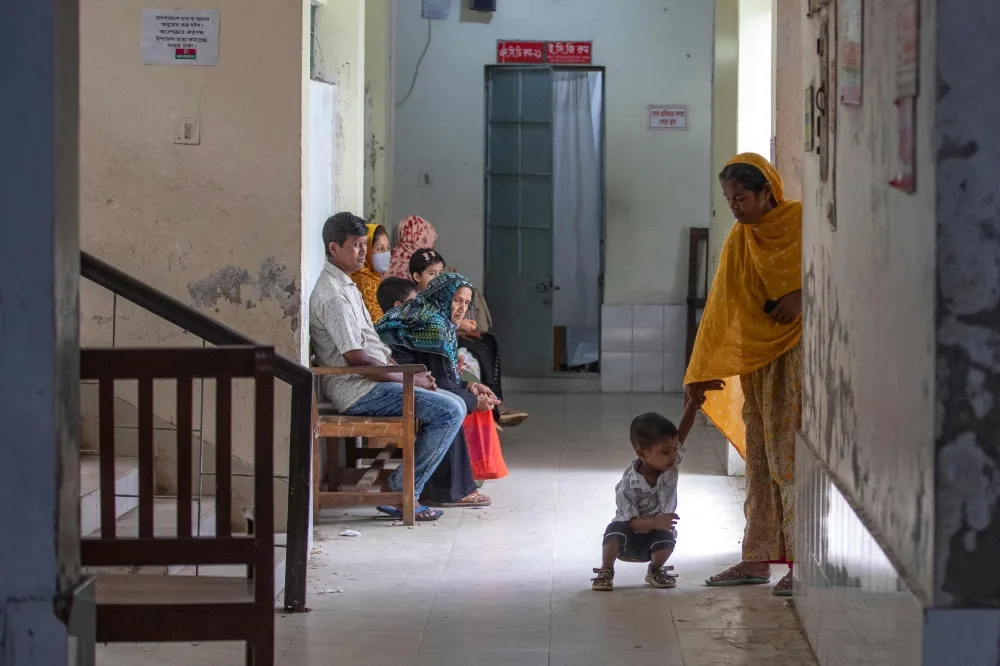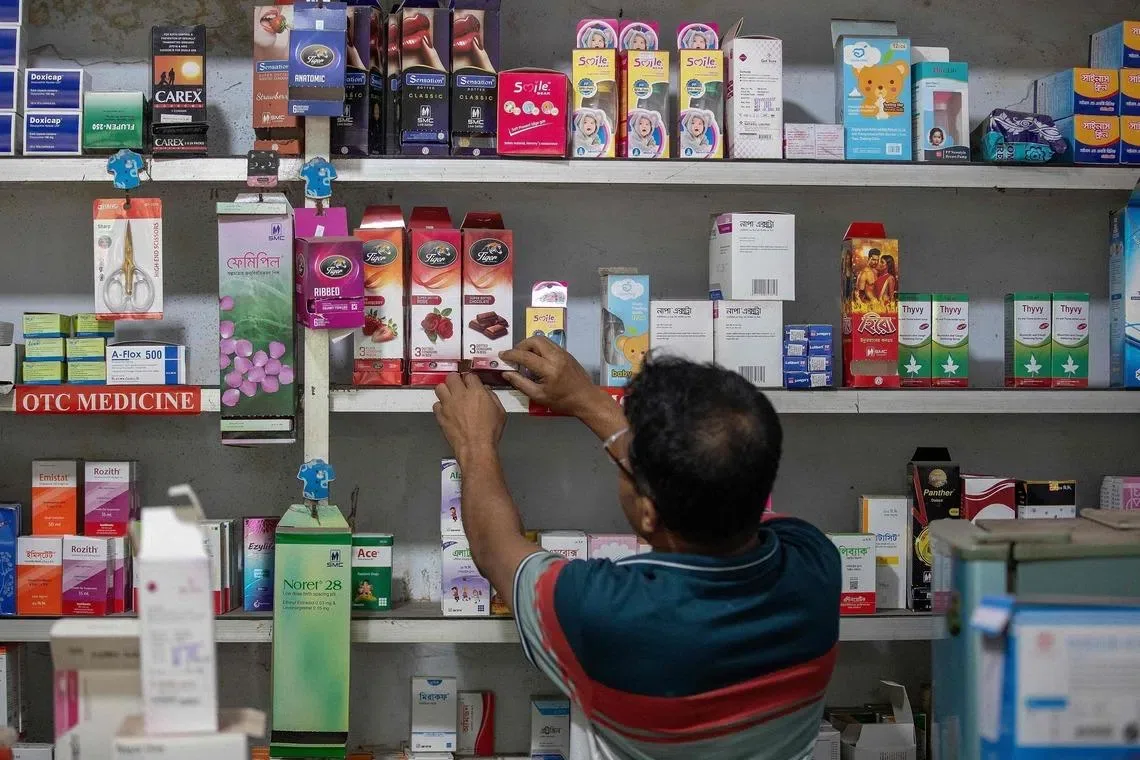
Bangladesh's family planning system is facing severe shortages of contraceptives, including condoms, oral pills, emergency contraceptive pills, IUDs, and injectables, as of May 2026 [1, 2, 3, 4]. Approximately one-third of the country's 64 districts—around 21—report stock depletions or complete unavailability of contraceptives [1, 4].
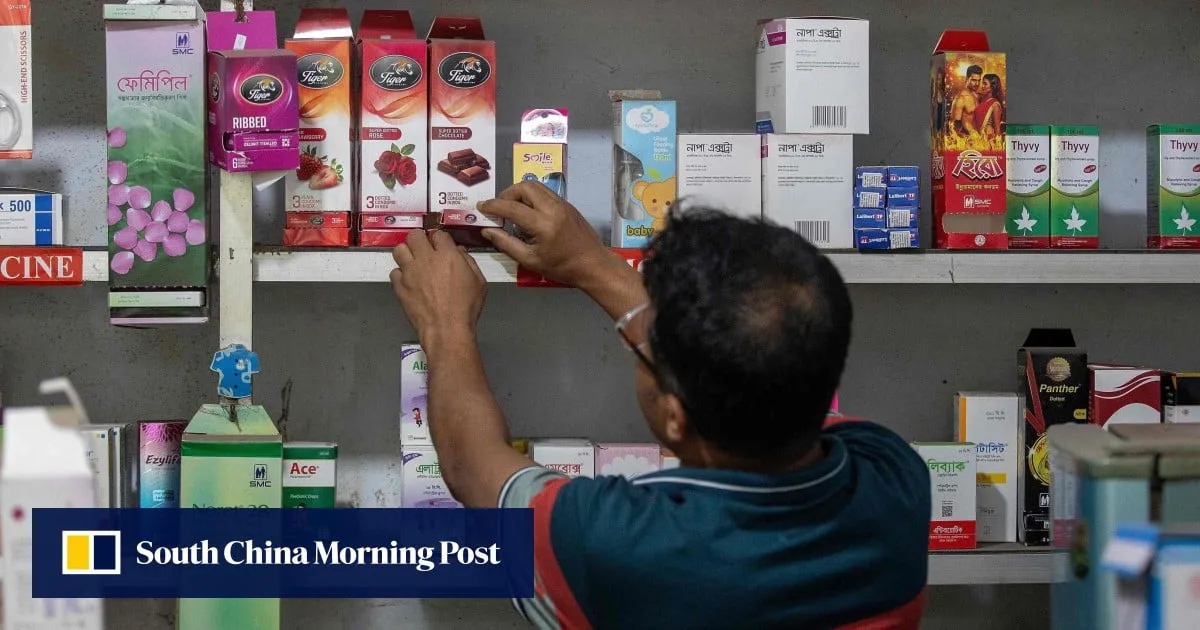
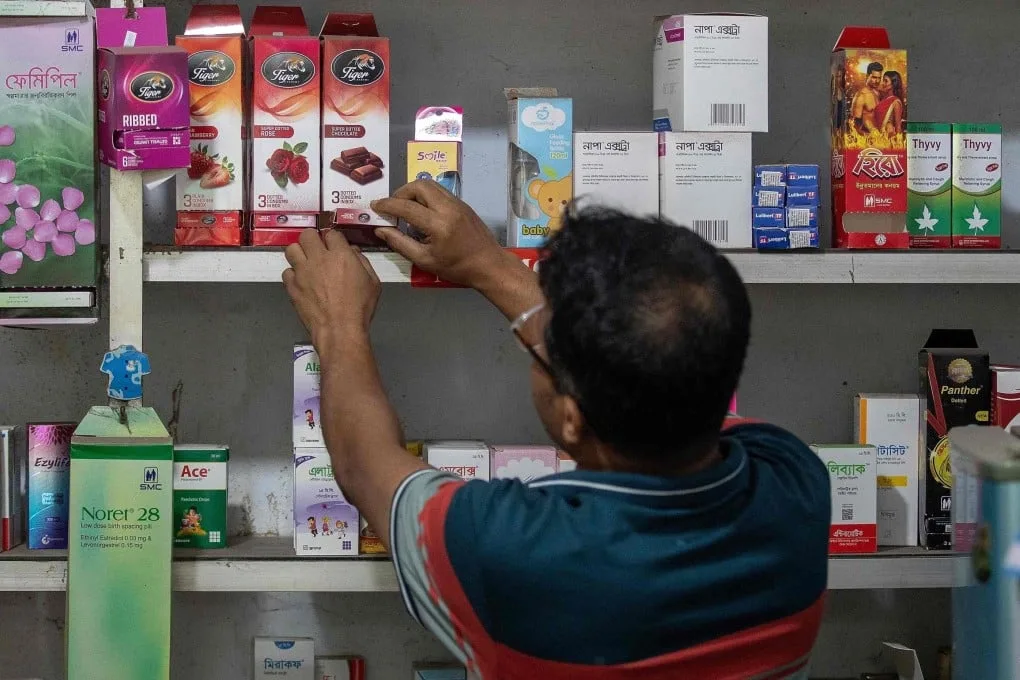
The shortages have persisted for about four to five months, with government clinics in many areas running out of condoms. Family planning officers have urged clients to purchase condoms elsewhere. Ahmed Bin Sultan, a family planning officer, said, "We haven’t had supplies of condoms for the last four to five months. We are continuously requesting service seekers to buy them from dispensaries" [1, 2, 4].
In some locations, rationing has reduced the number of contraceptive pills women receive. Tamanna, a 22-year-old domestic worker, said, "They used to give three to four sachets of pills, but that has been reduced. And taking time off work on weekdays is difficult" [4].
The shortage is linked to procurement failures, administrative disruption following the 2024 uprising, declining political attention, and mismanagement within the health system [1, 4]. Public health expert Be-Nazir Ahmed connected the contraceptive crisis with wider systemic issues affecting vaccination programs. Ahmed said, "The measles outbreak, shortages of rabies vaccines and now the family planning commodity crisis are all results of mismanagement" [1, 4].
The crisis risks reversing decades of fertility decline in Bangladesh. Fertility rates recently showed a rising trend, raising concerns about potential impacts of reduced contraceptive access [4].
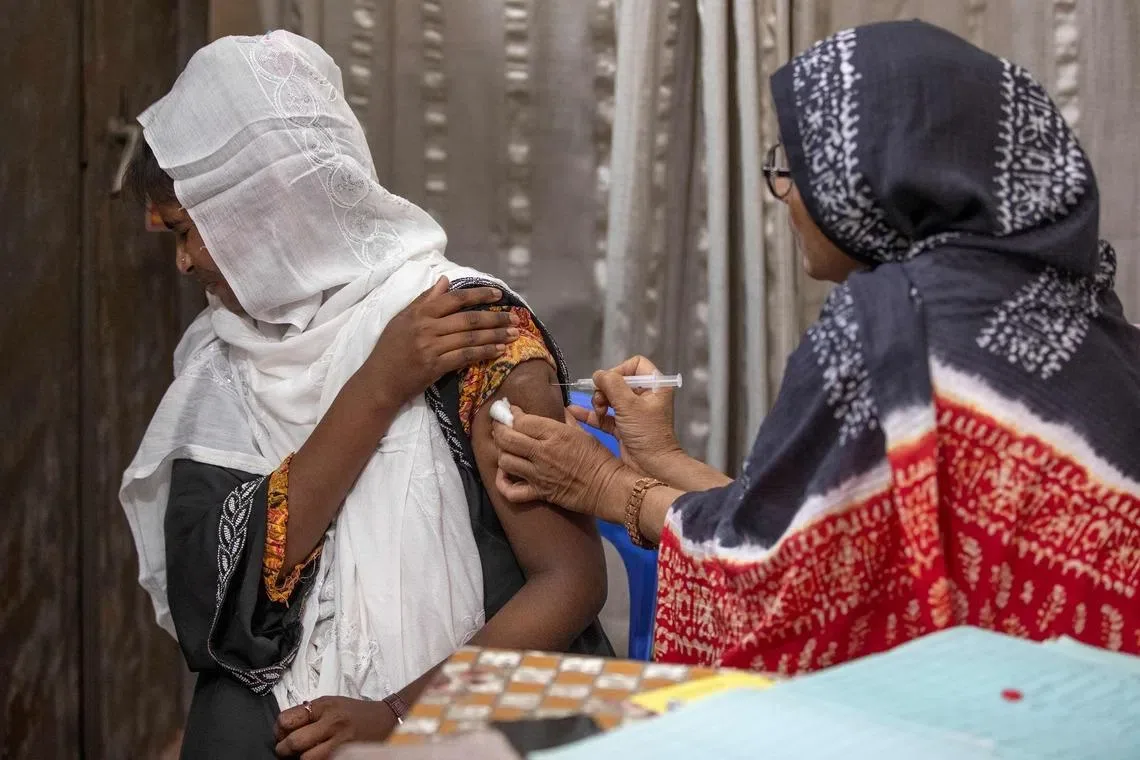
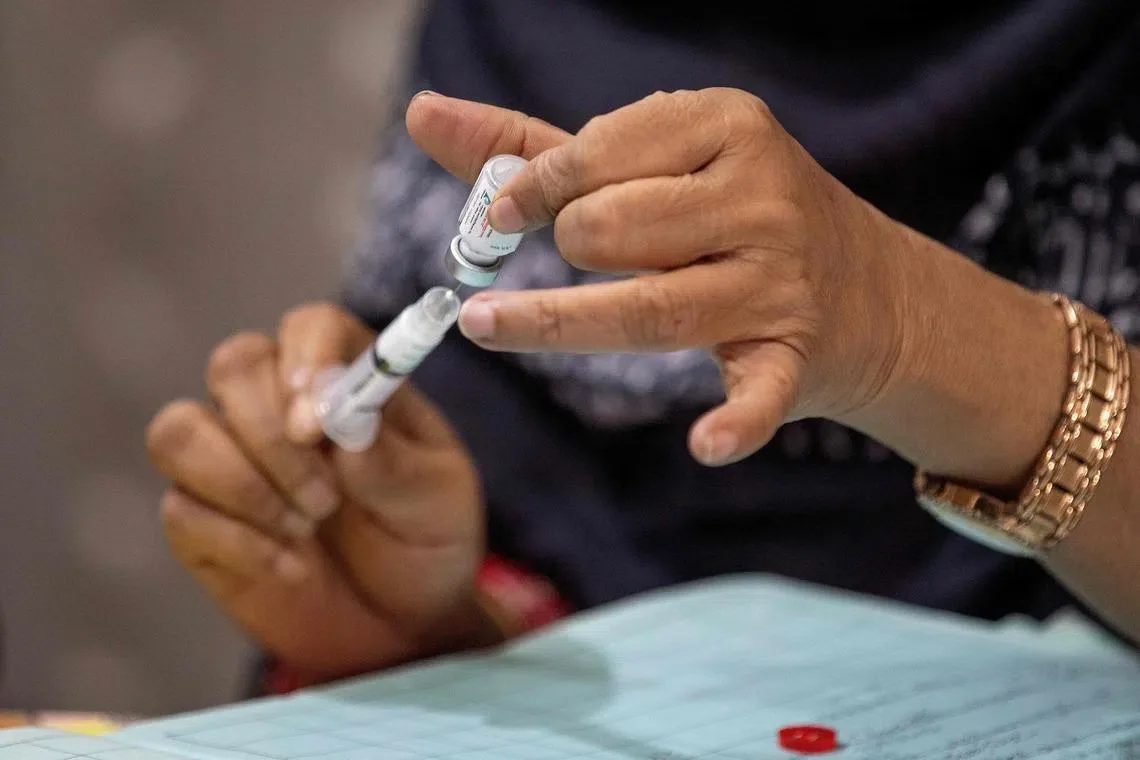
The shortages come amidst a concurrent health crisis. Since mid-March 2026, a measles outbreak has caused roughly 400 child deaths in Bangladesh, attributed in part to vaccination failures [1, 4].
Authorities expect contraceptive supplies to resume by June 2026, aiming for full availability nationwide by August 2026 [1]. Efforts to restock and restore services are underway to support the country's 170 million population and safeguard gains in family planning.