Australia’s centre-left Labor government on May 12 unveiled a budget that targets property investors’ tax breaks and shows bigger-than-expected deficits as Treasurer Jim Chalmers delivered the plan to parliament in Canberra. [1, 2, 3]
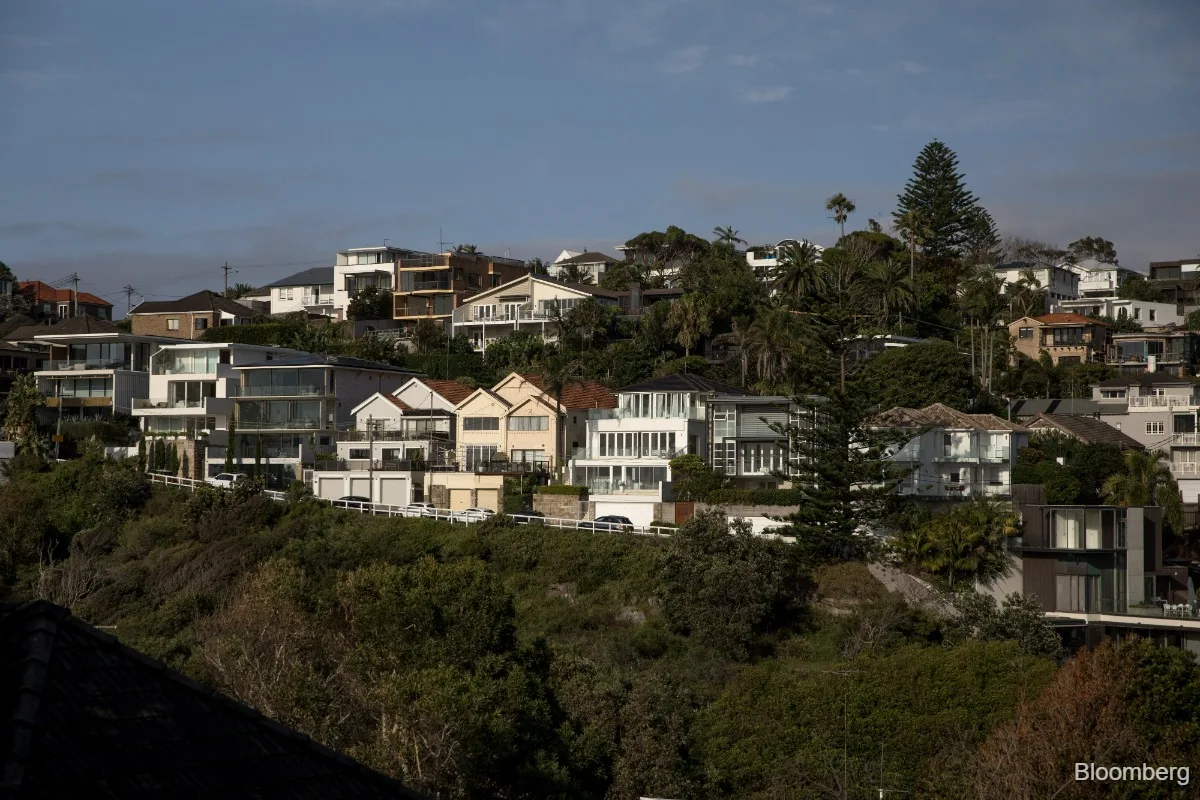
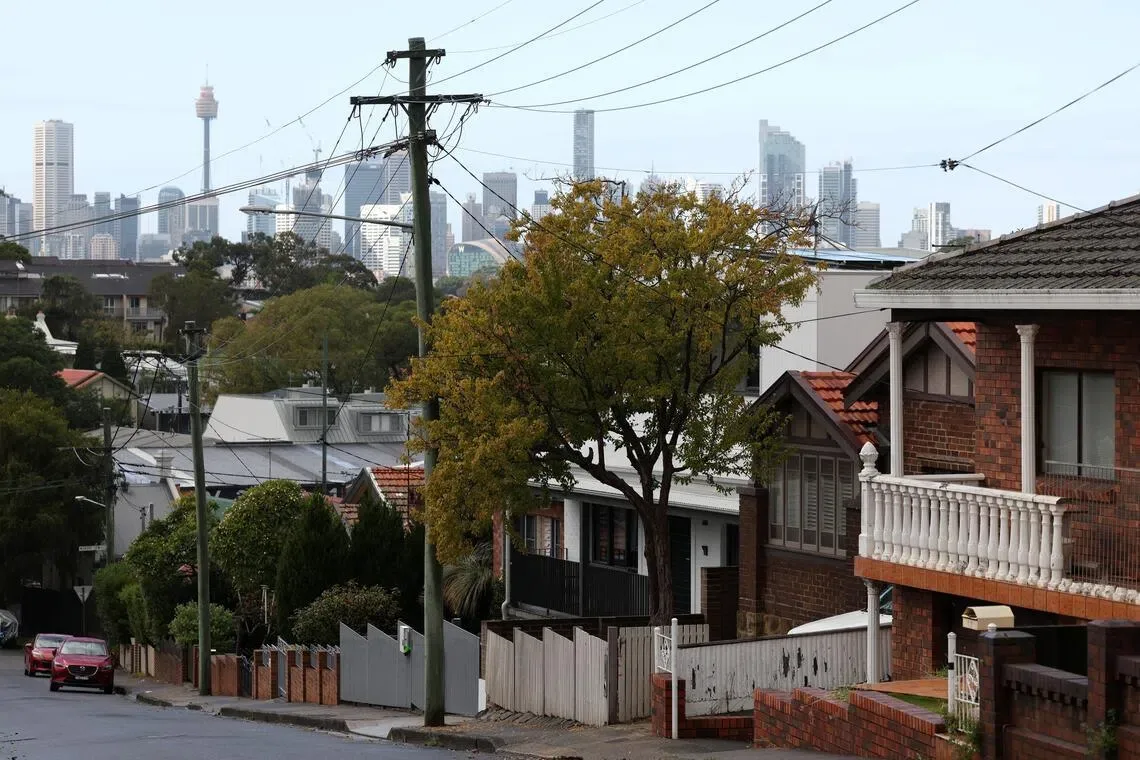
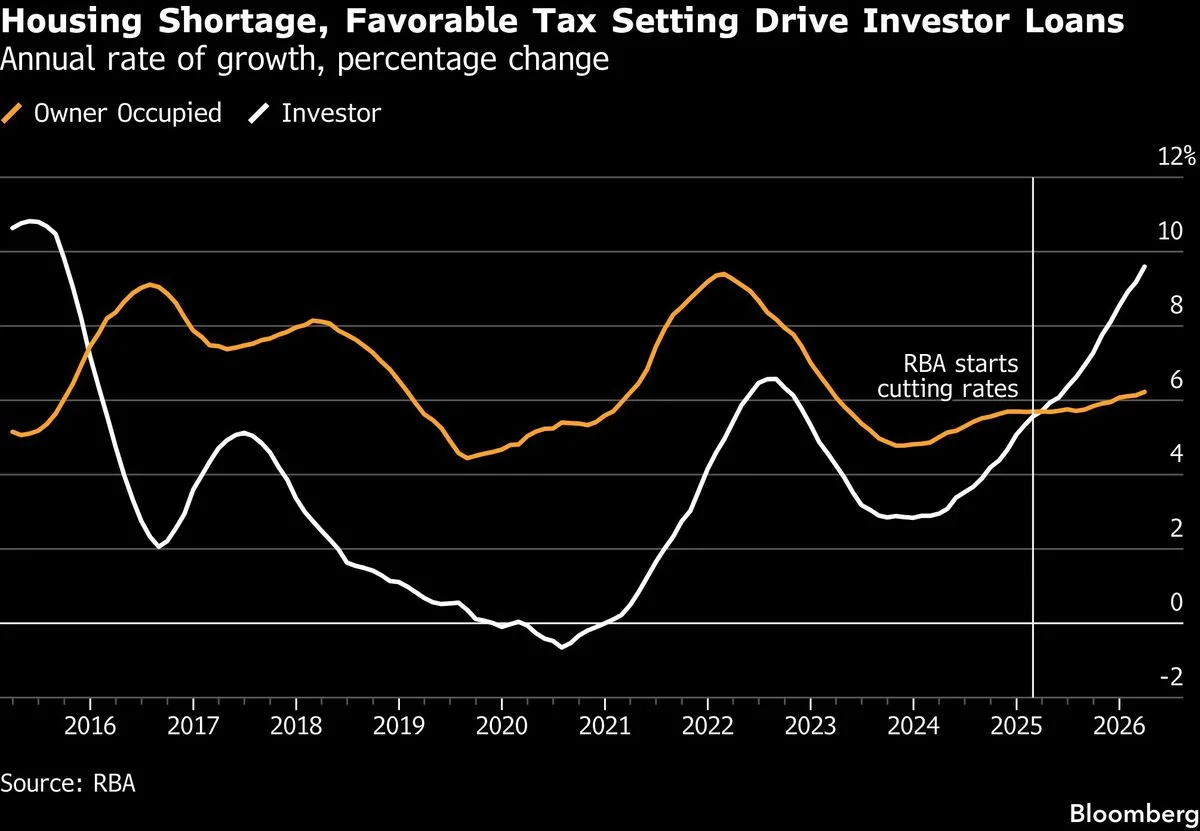
Chalmers said the government would overhaul housing-related tax settings, including a crackdown on the 50% capital gains tax discount and a scaling back of negative gearing for landlords. He said the market and tax system were unfair, adding: “The status quo in the housing market and the tax system is unfair and therefore unacceptable” and “Too many people locked out, not enough homes.” [4]
The budget is aimed at intergenerational inequality, cost-of-living pressures, housing affordability, inflation, productivity and an energy shock tied to the Iran war. Chalmers said it included “more cost-of-living relief, more Medicare and more aged care, and more housing.” [4, 1, 2, 3]
The government also said Australia’s economy remains relatively strong, with low unemployment and revenue supported by higher commodity prices for iron ore, coal and liquefied natural gas. Even so, the budget showed a deficit of A$28.3 billion for 2026, above economists’ median estimate of A$26.7 billion, and forecast a A$31.5 billion shortfall in fiscal 2027. [1, 2, 3]
Chalmers called the package “a responsible Budget, and a reforming Budget, which builds resilience and bolsters our economy,” while also describing the outlook as “much more uncertain.” The budget targets a broader housing push, with Labor aiming to build 1.2 million new homes by the end of the decade. [4, 1]
The plan lands as Australia faces 3 Reserve Bank rate hikes in 2026 and headline inflation is forecast to peak near 5% this quarter. The next major test is whether the housing tax changes and spending measures can win support while the government pushes ahead with its housing target through the end of the decade. [4, 1, 2, 3]