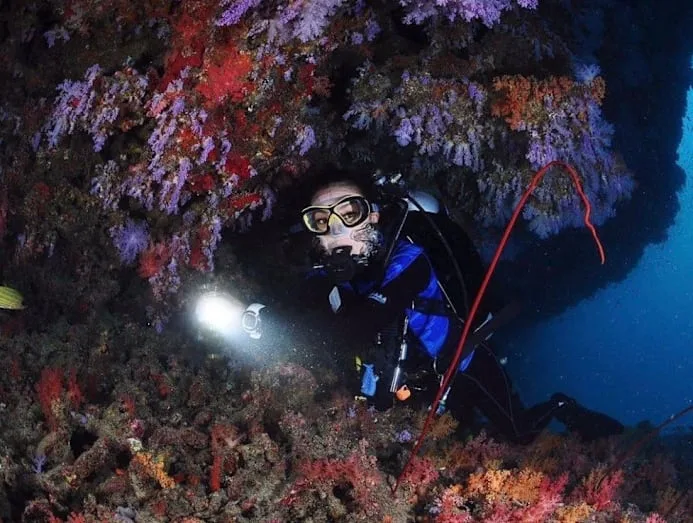
Quek Jon Jon, a 43-year-old divemaster from Singapore, was diagnosed in 2017 with primary biliary cholangitis (PBC), a rare autoimmune liver disease [1]. PBC causes the immune system to attack microscopic bile duct cells, leading to bile duct loss, jaundice, cirrhosis, liver failure, cancer, and death [1].
Quek was initially unaware of PBC before her diagnosis, which came after blood tests were performed following a persistent migraine complaint [1]. By 2023, her condition had worsened, and she required a liver transplant after suffering from symptoms including unbearable itching, extreme fatigue, and jaundice. "By then I was already suffering physically and mentally from lots of symptoms," Quek said [1].
Global data shows PBC affects about 18 people per 100,000, with roughly 80% of cases occurring in women [1]. Experts believe the disease arises when environmental factors trigger autoimmune attacks in genetically predisposed individuals. Dr Thinesh Lee Krishnamoorthy said, "What exactly triggers PBC is unclear, but it is thought to happen when certain environmental triggers set off the disease in people who are genetically predisposed to develop it" [1].
Genetic factors may explain around 15% of PBC development. Possible environmental triggers linked to PBC include urinary tract infections, hormone replacement therapy, nail polish, and cigarette smoking, though no direct causation has been proven [1]. Dr Thinesh added, "Some studies have found links between PBC and possible environment triggers such as urinary tract infections, hormone replacement, nail polish and cigarette smoking. However, these are only possible associations and have not been proven to directly cause the disease" [1].
Quek's diagnosis and transplantation highlight the severe progression PBC can take without early awareness or treatment. Her experience underscores the challenges patients face in coping with a rare, poorly understood condition.
Quek’s liver transplant in 2023 marks the most recent major medical milestone in her case [1].