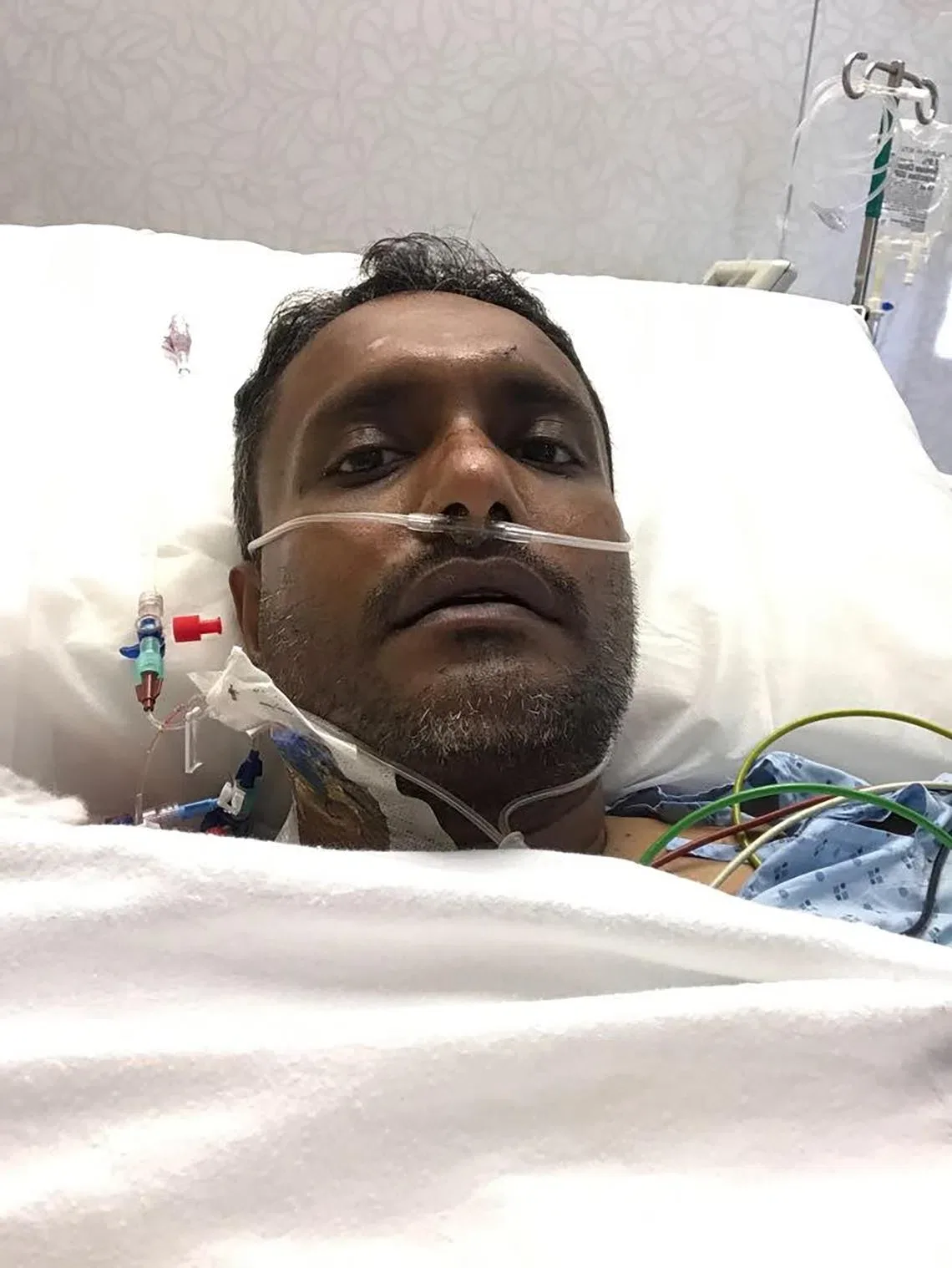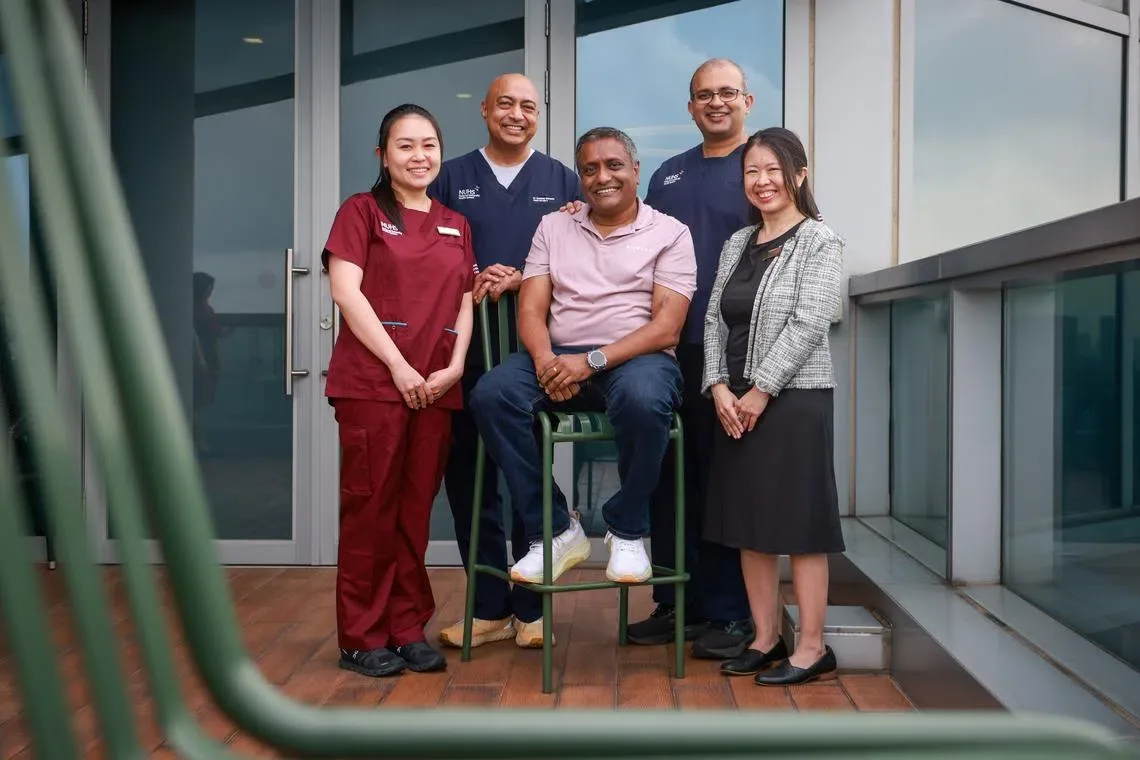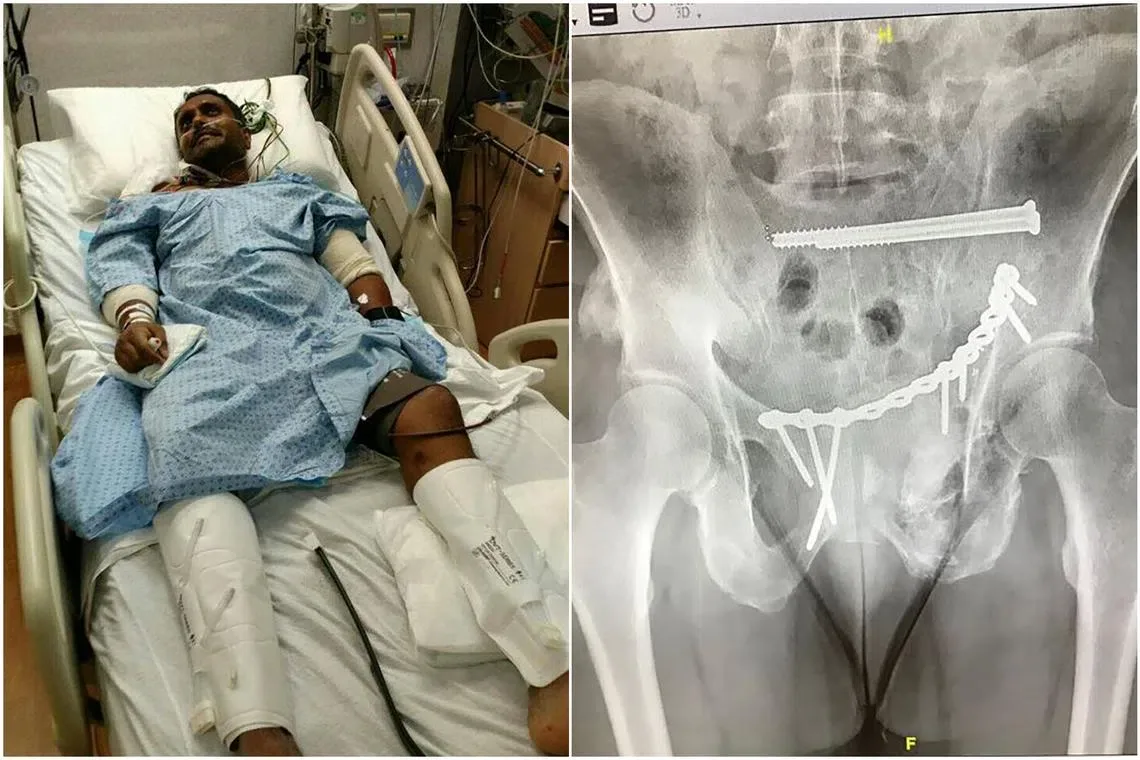
On September 10, 2017, 55-year-old Patrick Pereira was riding home from a family dinner when a lorry struck his motorcycle in Jurong. He arrived conscious at the National University Hospital (NUH) emergency department with low blood pressure and broken arms [1].
Up to 20 medical and nursing staff worked together in the operating theatre to stabilize and treat Pereira. An unnamed medical worker said, "We had to function like an F1 pit crew to quickly identify the patient’s injuries, treat them, then stabilise him, because every second counts." The team applied a pelvis binder to reduce bleeding before surgery [1].
Dr Zulkarnain Ab Hamid, a senior consultant in the NUH emergency department, said, "Every minute counts. If we didn’t do something to bring up his blood pressure, he might die prematurely from excessive bleeding." He added, "We do all we can to help patients move to the next step, which is the operating table" [1].
Traffic deaths in Singapore hit a 10-year high in 2025, reaching 149 fatalities compared with 141 in 2016 and 142 in 2024. The number of people injured in traffic accidents also rose to 9,955 from 9,342 the previous year [1].
NUH treated 28,487 trauma patients in 2025, the highest number in Singapore, including 1,266 adults and children with moderate to severe injuries [1].
The 2017 incident highlights the critical role of NUH's emergency team in handling severe trauma cases. The hospital continues to see large trauma patient volumes, reflecting ongoing challenges in road safety.
The latest statistics for 2025 have been released, with the next update expected in 2026, continuing to track road traffic fatalities and injuries across Singapore [1].