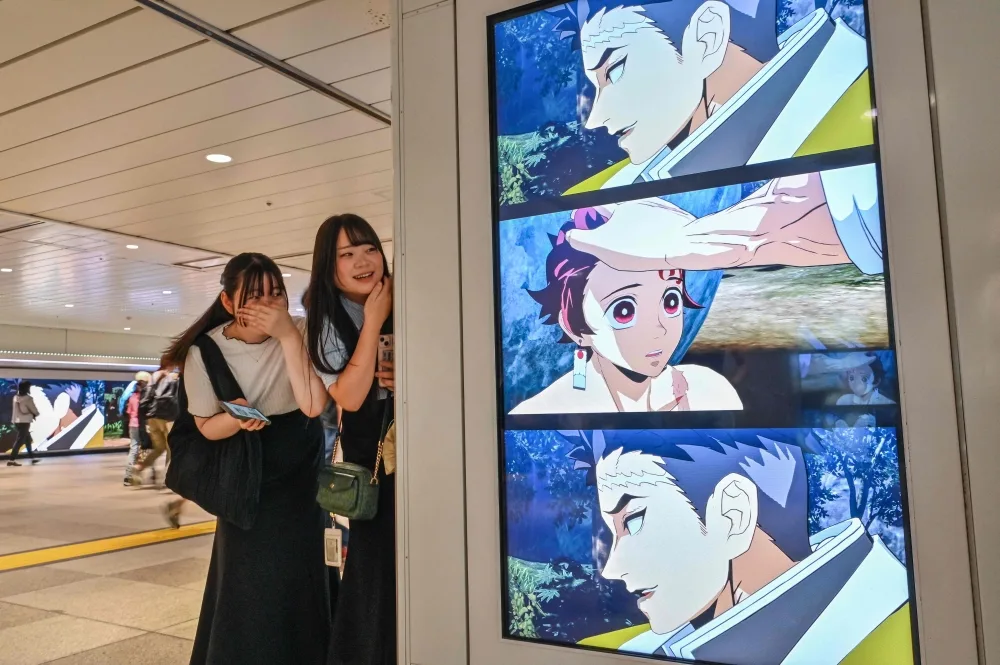
Psychiatrist Francesco Panto, originally from Sicily and now based in Japan, conducted a six-month pilot study using anime avatars in online therapy to help people with depression [1, 2]. The trial took place at Yokohama City University and ended in March 2026 [1, 2].
The study involved 20 participants aged 18 to 29 who received online counseling sessions via psychologists appearing as anime avatars with altered voices [1, 2]. Participants could freely choose from six different anime characters, each designed around Japanese manga archetypes and linked to specific mental health struggles to personalize therapy [1, 2].
One character, Kuroto Nagi, was created to represent bipolar personality traits. Other avatars symbolized conditions including post-traumatic stress disorder, anxiety disorders, and alcohol-related problems [1, 2]. Panto said, "I tried to infuse each character with a specific mental struggle. One character is called Kuroto Nagi. She’s affected by bipolar personality traits" [2]. The avatars were designed to be fun and engaging, with mental health issues not made too obvious during sessions [1, 2].
A 24-year-old participant said being drawn to a character described as "searching for true strength" made them feel the therapy "might help me get closer to the answer to my own problems" [1]. Panto explained that using a "filter of fantasy" through anime avatars can ease patients’ anxiety and help them recognize personal challenges. He reflected on how manga and anime personally provided him emotional support growing up: "The use of manga and anime supported me so much... they were very important emotional support kind of tools" [1].
Panto also noted his own experience with self-expression and identity through gaming and manga: "Being raised in Italy, in Sicily, there were very strong stereotypes around gender or self-expression. But when I was 12 or 13 years old I started to play this game called Final Fantasy... and the male protagonists resonated with me. They were so masculine and cool, but in their own way" [1].
The Yokohama City University pilot study marks one of the first clinical uses of anime avatars to provide accessible and personalized mental health counseling for youth. The next steps or potential expansions of the therapy have not yet been announced.