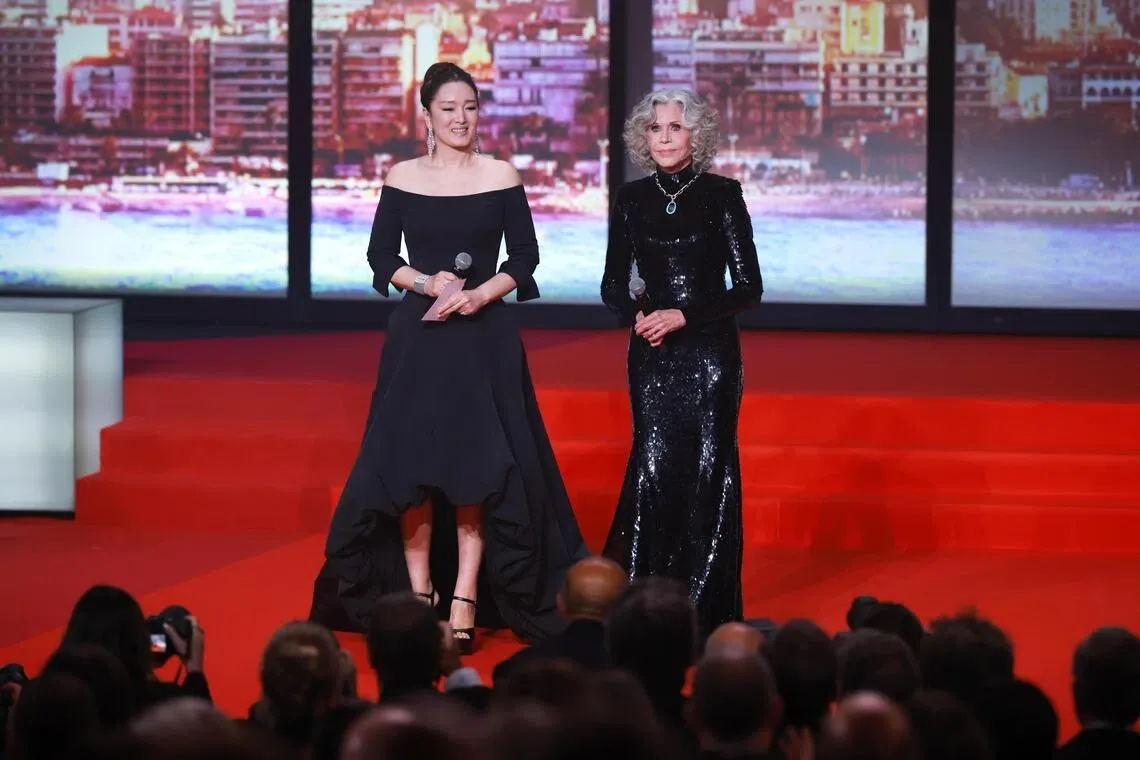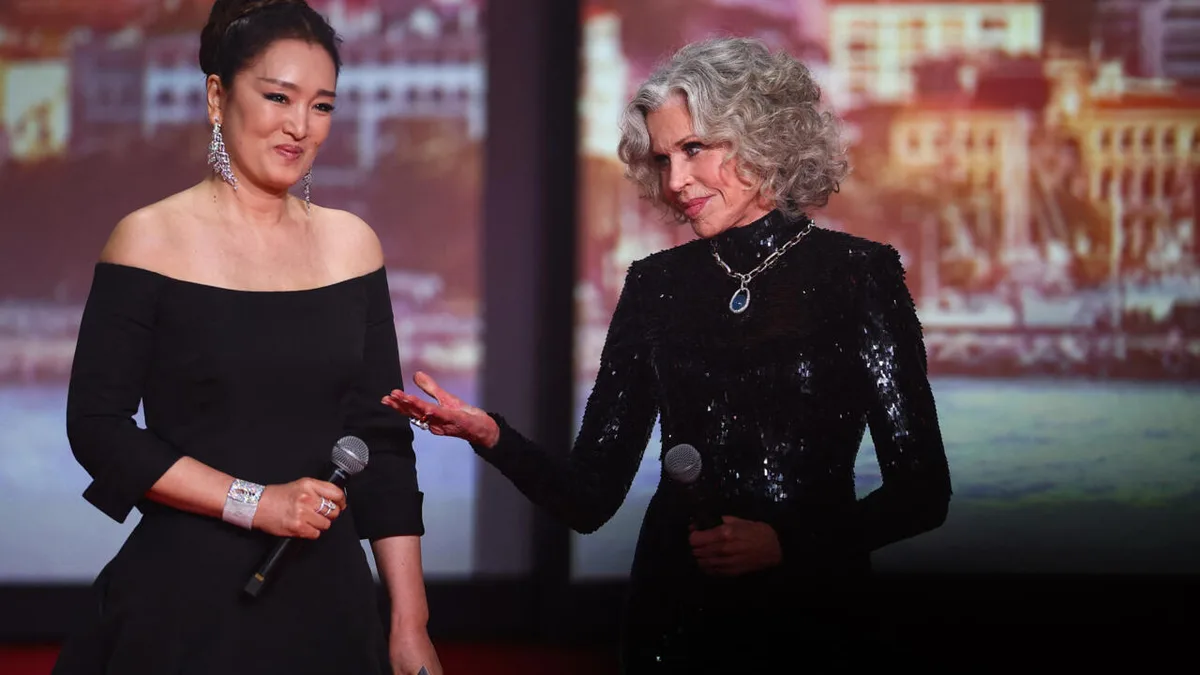
The 79th Cannes Film Festival opened on May 12, 2026, on the French Riviera with American actress Jane Fonda and Chinese star Gong Li leading the ceremony [1, 2, 3, 4]. Fonda called cinema "an act of resistance," highlighting its power to foster empathy and show alternative futures. "I believe in the power of voices, voices on the screen, voices off the screen, and definitely voices on the street, especially now," she said, emphasizing cinema’s role in telling stories that bring empathy to the marginalized and allow people to see that different futures are possible [1].
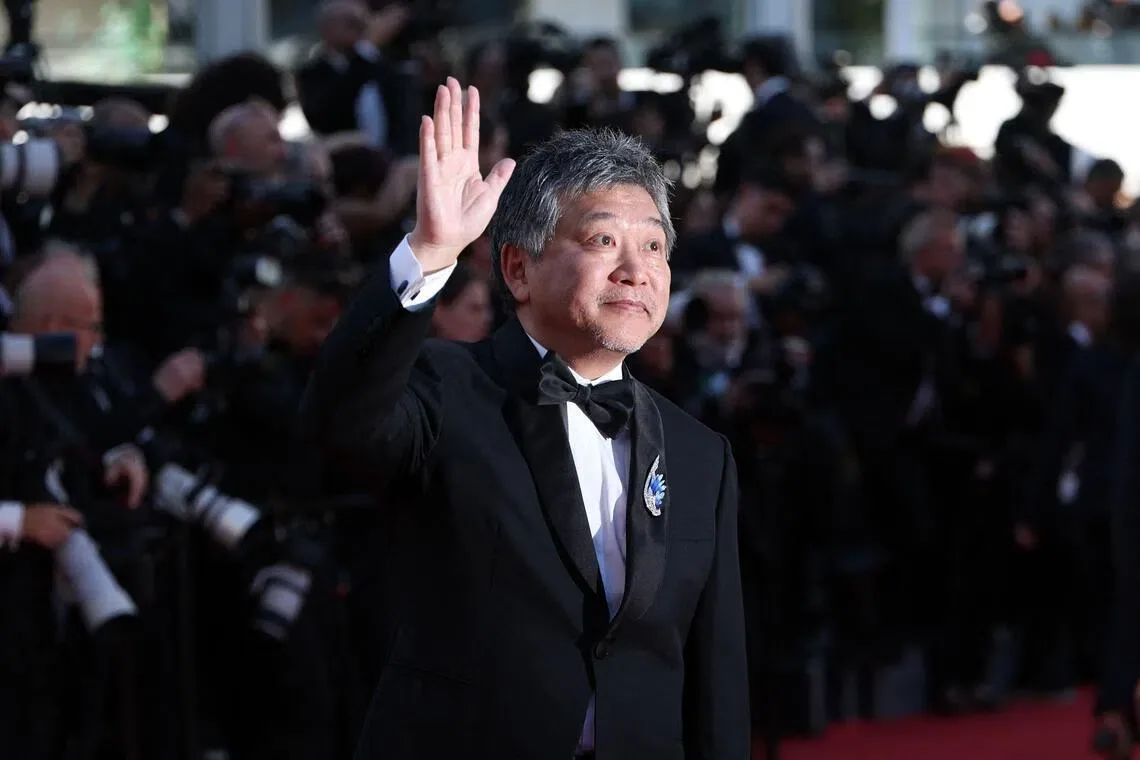
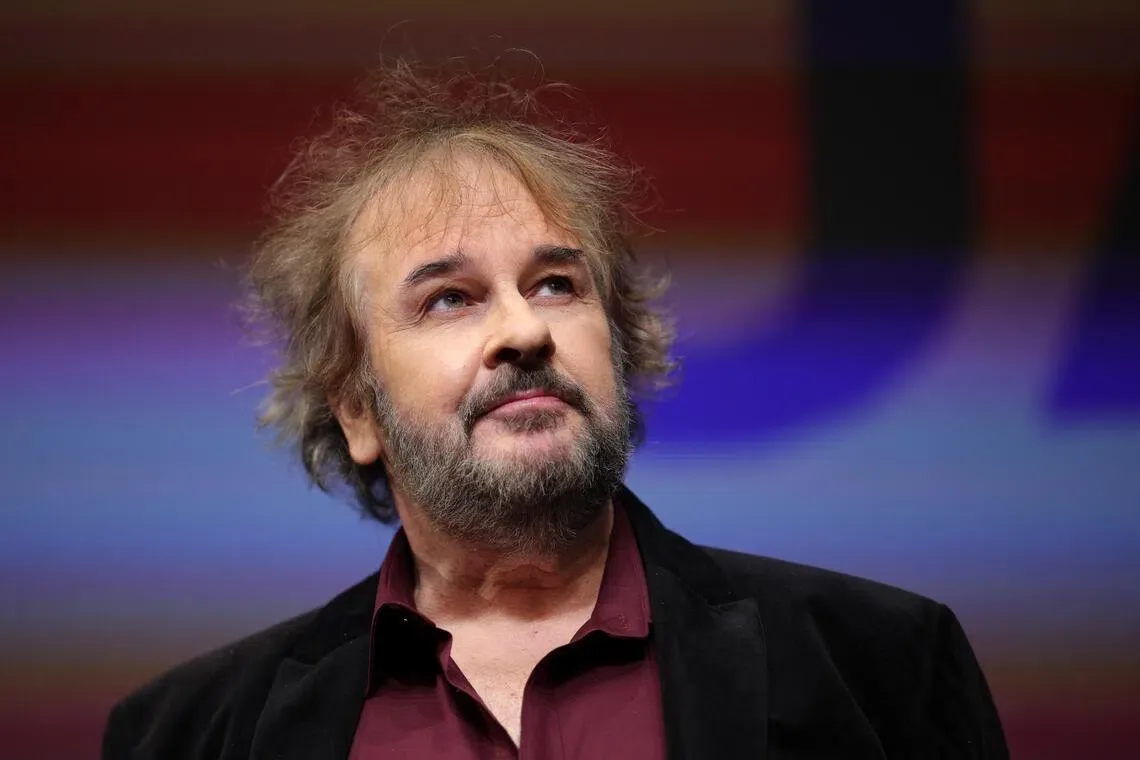
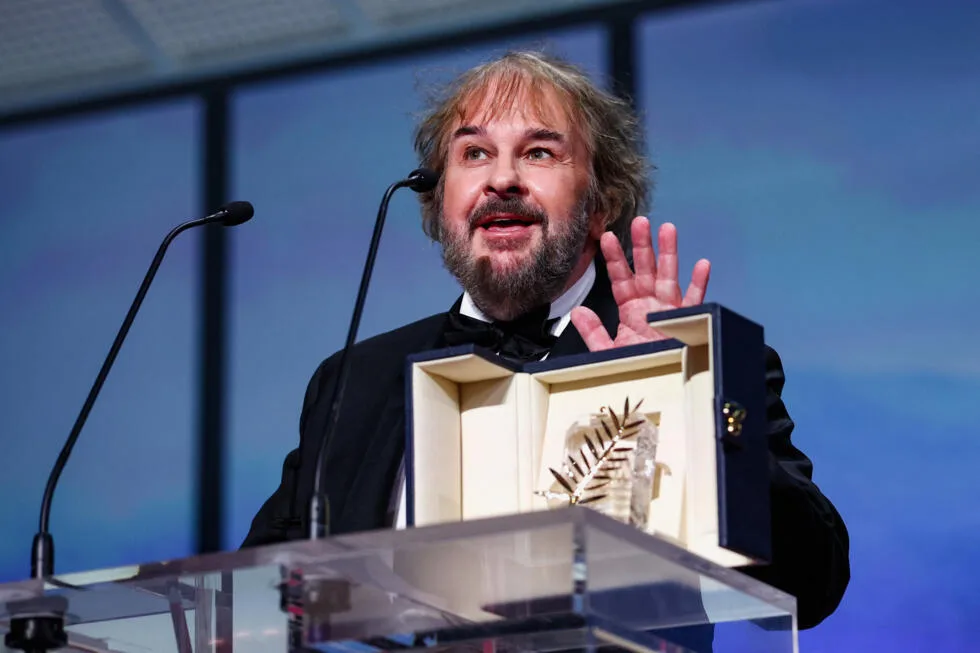
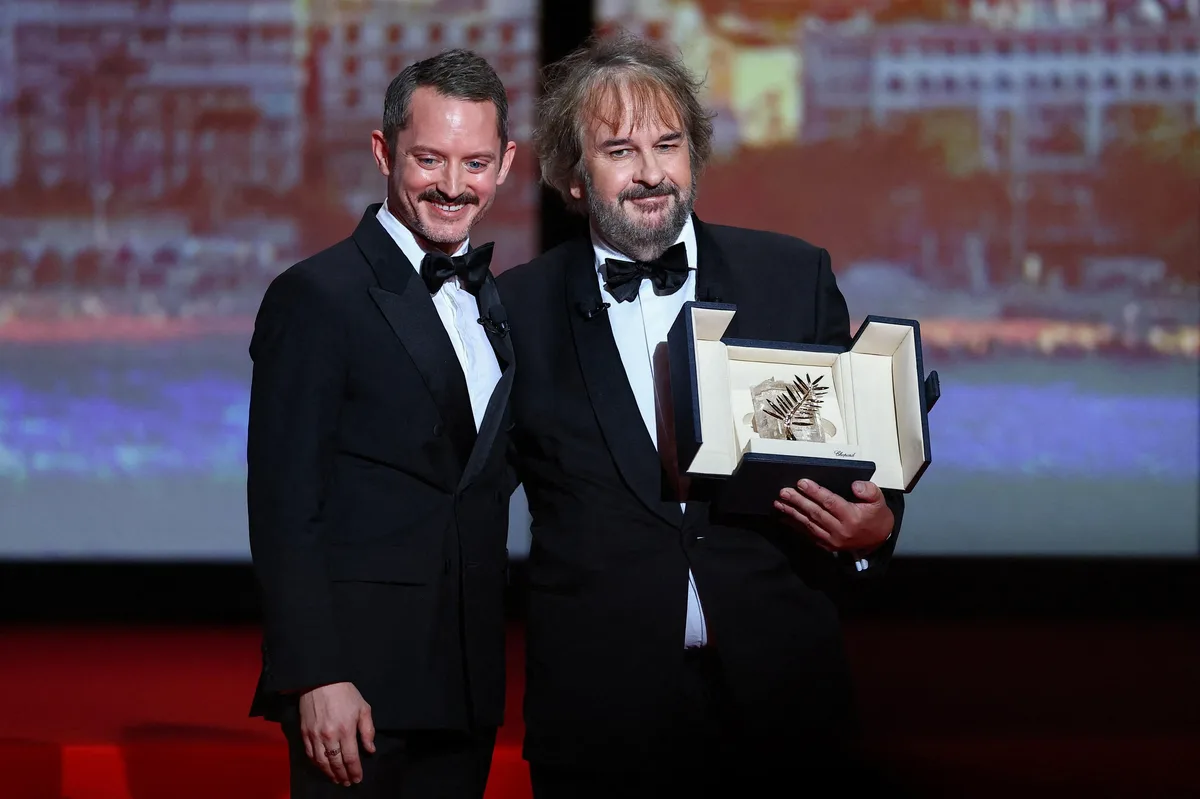
On the same day, New Zealand director Peter Jackson, 64, received an honorary Palme d'Or lifetime achievement award for his career at the festival [1, 2, 3, 4, 5]. Jackson’s award was presented by Elijah Wood, who played Frodo Baggins in The Lord of the Rings trilogy. Wood reflected on his journey, saying, "My life has been divided into before and after the moment I was cast as Frodo Baggins... aged just 18" [1].
Jackson made self-deprecating remarks about receiving the Palme d'Or, joking it was Cannes' way of apologizing for not awarding his first film 'Bad Taste.' "I have been trying to work out why I won only to realize this morning that this is the Cannes Film Festival's way of apologising for not giving 'Bad Taste' the Palme d’Or," he said [1, 2, 3, 4, 5].
The main Cannes competition started on May 13 with 22 films competing for the Palme d'Or for best film [3]. That day, Jackson announced he was working on a new Tintin film script, a sequel to Steven Spielberg’s 2011 animated Tintin movie [6]. He revealed the film would begin where Spielberg’s finished, likely focusing on the Red Rackham’s Treasure story. "The deal was that Steven directs one and I direct another. So Steven did his film, then for 15 years I haven’t made mine. I feel very awkward about that. I’m in the hotel room down the road writing the script and sending pages to New Zealand," Jackson said on May 14 [6, 7].
Jackson also commented on AI’s role in film during the festival. He said AI "might destroy the world but I don’t dislike AI at all. I mean, to me it’s just a special effect. It’s no different from other special effects," adding context to ongoing debates about technology in filmmaking [6, 7].