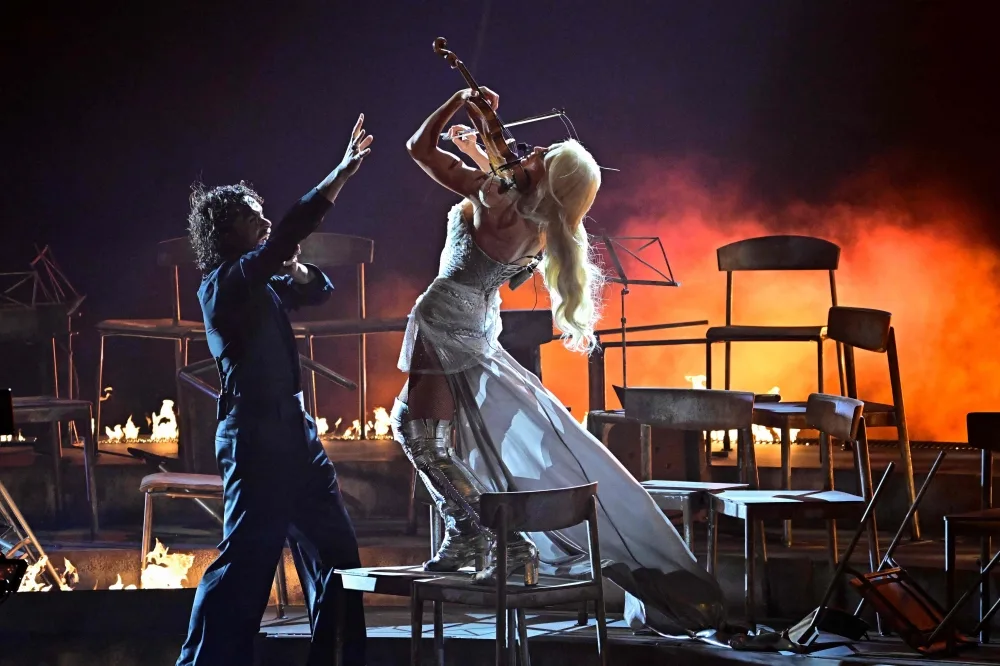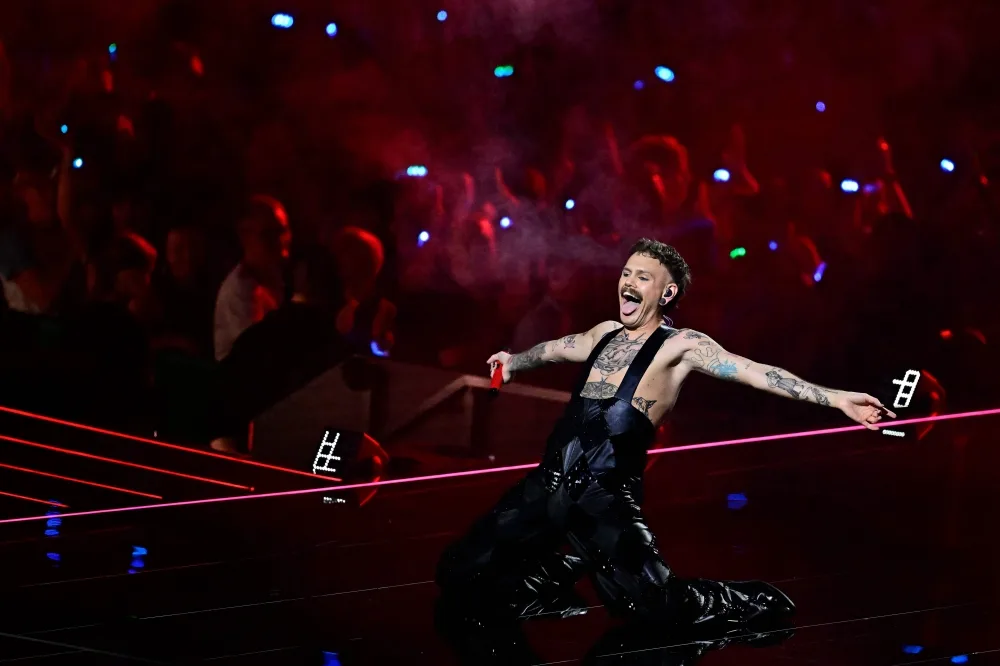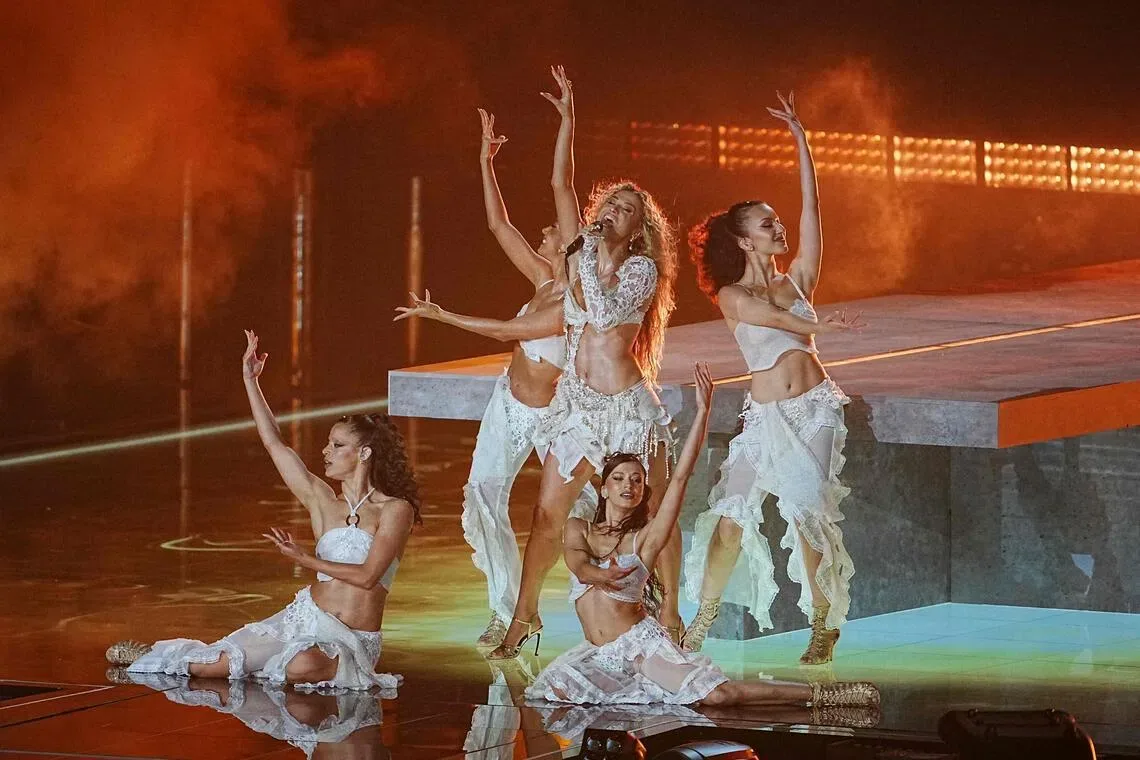
The Eurovision Song Contest marked its 70th anniversary with a grand final held in Vienna on May 16, 2026. The event was clouded by a boycott from several European nations protesting Israel's participation following its war in Gaza [1, 2].
Eurovision has long been a symbol of European integration and a platform reflecting geopolitical tensions and social change. Its history includes protests and withdrawals tied to political conflicts, such as Greece's withdrawal in 1974 over Turkey's invasion of Cyprus, and contests affected by Cold War dynamics when Eastern Bloc countries often did not participate [1, 2].
The contest also faced protests in the 1960s against the participation of Spain and Portugal under dictatorial regimes. Notably, in 1961, Jean-Claude Pascal won with "Nous les amoureux," a song later interpreted as hinting at homosexuality, showing Eurovision’s role in social shifts [1, 2].
Since the 2000s, Eurovision's expansion into Eastern Europe has allowed former Soviet republics like Estonia and Ukraine to express their European identities and distance themselves from Russia’s influence. University of Glasgow expert Paul Jordan said, "Certainly for Ukraine, it was all about showing themselves as an independent Western, European country while asserting opposition to Moscow" [2].
The contest also reflects ongoing conflicts in the region. Geopolitical tensions have impacted Eurovision entries between Georgia and Moscow and the Nagorno-Karabakh conflict between Armenia and Azerbaijan [1, 2]. Russia was excluded from Eurovision in 2022 after its invasion of Ukraine; Ukraine won that year [1, 2].
Musically, countries have used ethnic and linguistic elements to assert identity. Cardiff University’s Galina Miazhevich noted that while some nations use ethnic markers, there has also been "a melding of influences, with plenty of bilingual songs and homogenisation" within Eurovision [1].
The 2026 final in Vienna carried the legacy of these political and cultural intersections. The next Eurovision Song Contest is expected in 2027, continuing the annual tradition amid continuing geopolitical shifts.