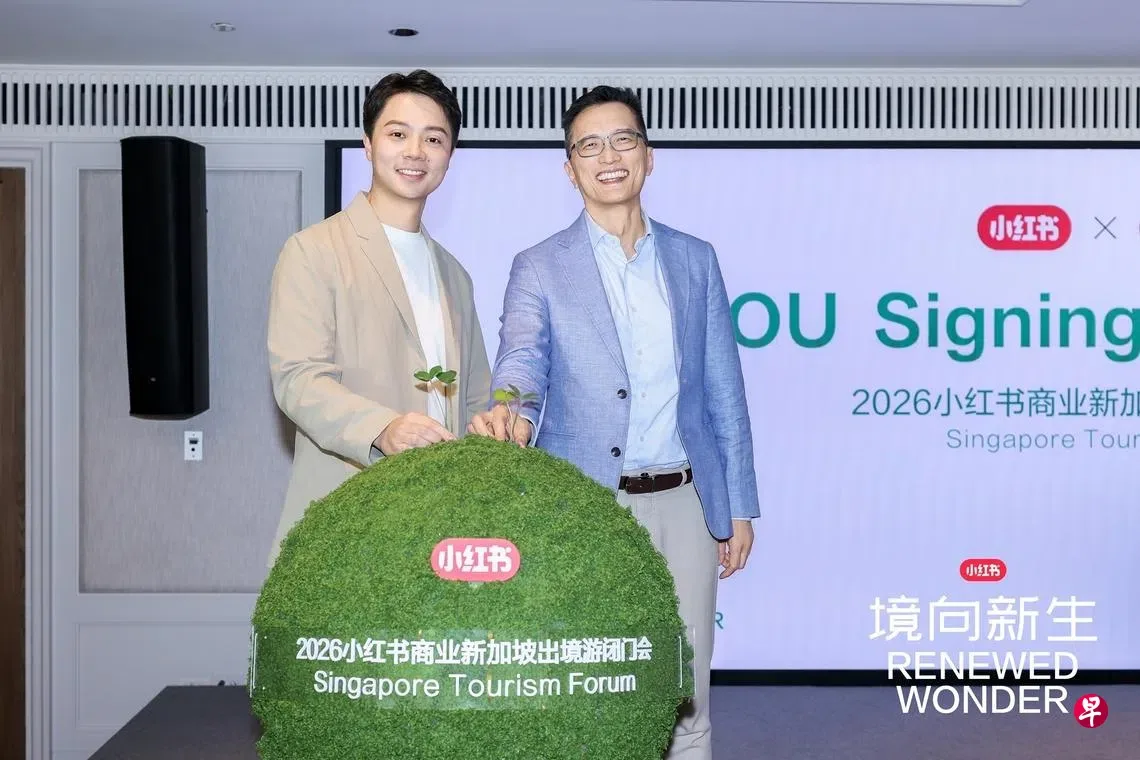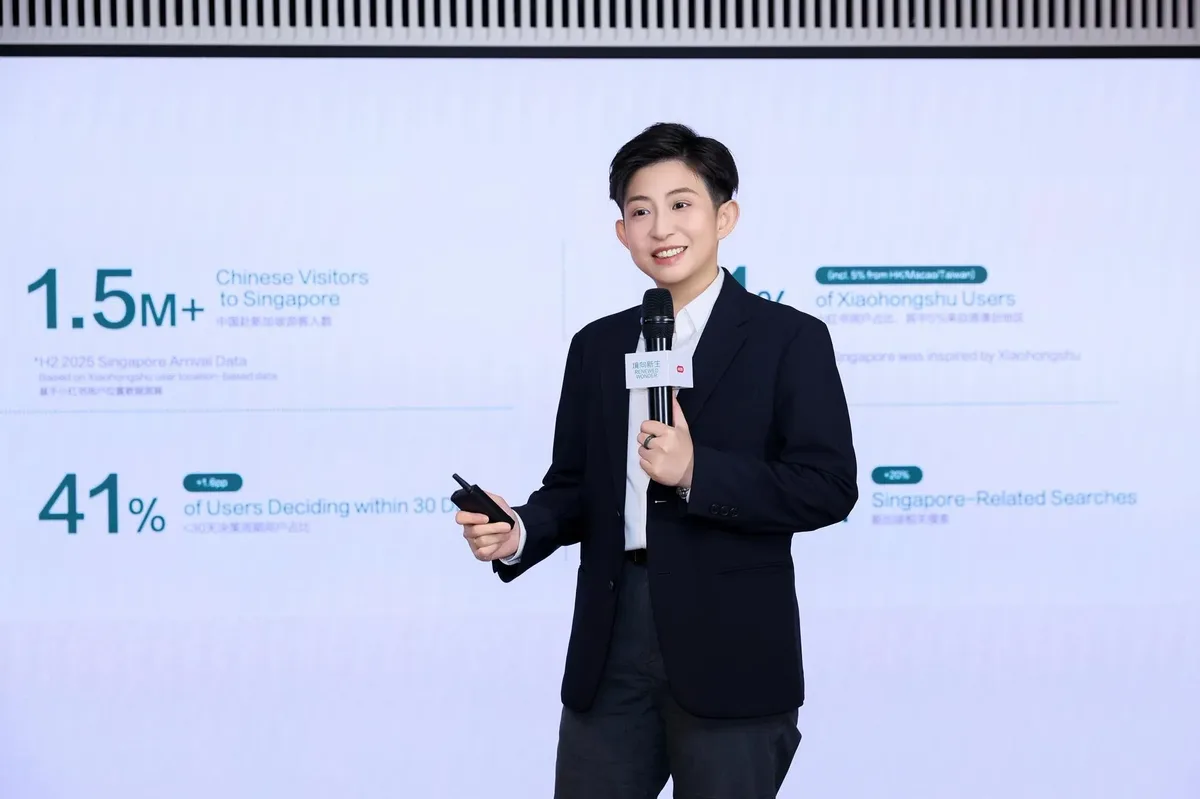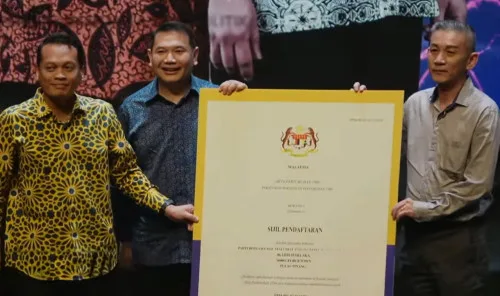
Xiaohongshu and the Singapore Tourism Board hosted the 2026 Xiaohongshu Business x Singapore Outbound Tourism Forum in Singapore on May 17, where they signed a memorandum of understanding (MoU) to deepen cooperation on targeting Chinese outbound travelers’ changing habits [1, 2].
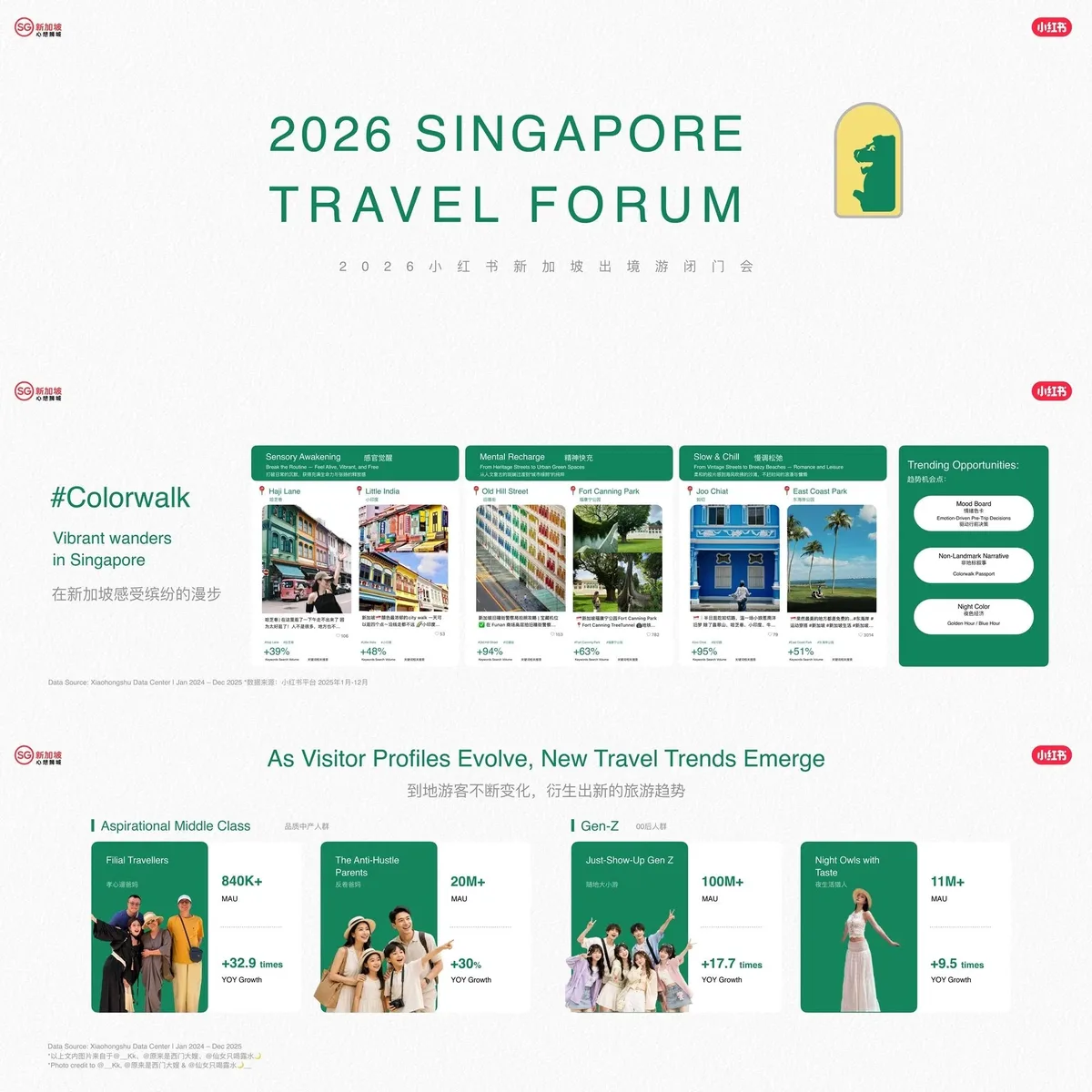
Xiaohongshu reported approximately 130 million monthly active outbound travel users in 2025, with over 90% actively searching travel ideas, revealing strong engagement on the platform [1, 2]. The social commerce platform identified a shift in Chinese travelers’ preferences—from destination-focused trips to interest-driven travel motivated by spiritual resonance, curiosity, and local lifestyle experiences [1, 2].
Tim Zhang, a Xiaohongshu executive, described the trend as "the rise of ‘blind box-style travel’ — driven by curiosity, new experiences and a sense of personal connection" among Chinese tourists [2]. This underscores a growing demand for authentic, specific content about destinations that currently outpaces supply [2].
Xiaohongshu outlined a three-step marketing strategy for Singapore outbound travel in 2026: early targeted content delivery, building Singapore’s unique intellectual property in the travelers’ minds, and converting interests into sustained visitation growth [1, 2]. The Singapore Tourism Board positions the country as a diverse destination combining top events, luxury experiences, multicultural culture, tropical appeal, high-end healthcare, and premium consumption opportunities [1].
Xiaohongshu also identified four emerging consumer groups driving outbound travel demand: urban youth traveling with parents, spontaneous Gen Z travelers, nightlife-driven consumers, and well-planned middle-class families with children [1]. The partners view their collaboration as a new commercial ecosystem linking Chinese consumers and global destinations through data-driven content and marketing [1].
The next step will focus on implementing Xiaohongshu’s marketing strategy and leveraging the MoU framework to convert interest-driven engagement into actual tourist arrivals to Singapore throughout 2026 [1, 2].