The ongoing war between the US, Israel, and Iran has cost companies globally at least US$25 billion, and losses continue to mount as the conflict disrupts trade and supply chains [1, 2, 3, 4, 5, 6, 7, 8, 9, 10].
At least 279 companies across the US, Europe, and Asia have cited the war as a key factor prompting defensive financial measures including price hikes, production cuts, dividend suspensions, furloughs, fuel surcharges, and requests for emergency government aid [1, 2, 3, 4, 5, 6, 7, 8, 9, 10].
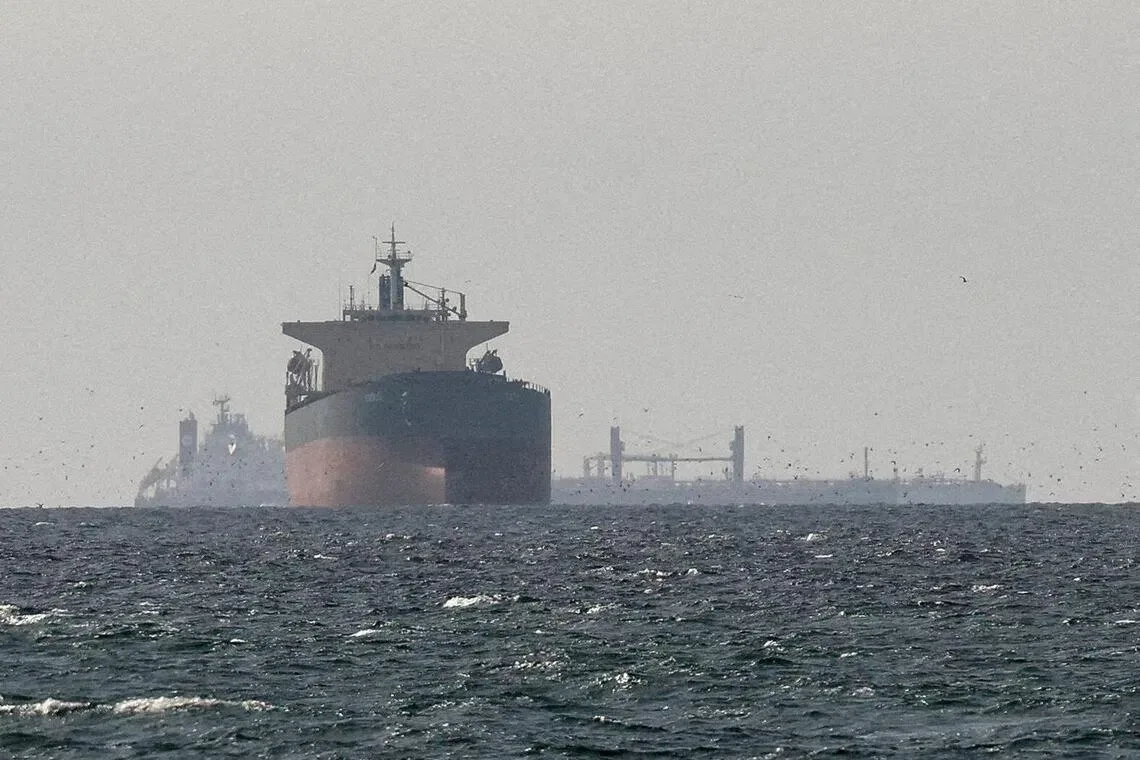
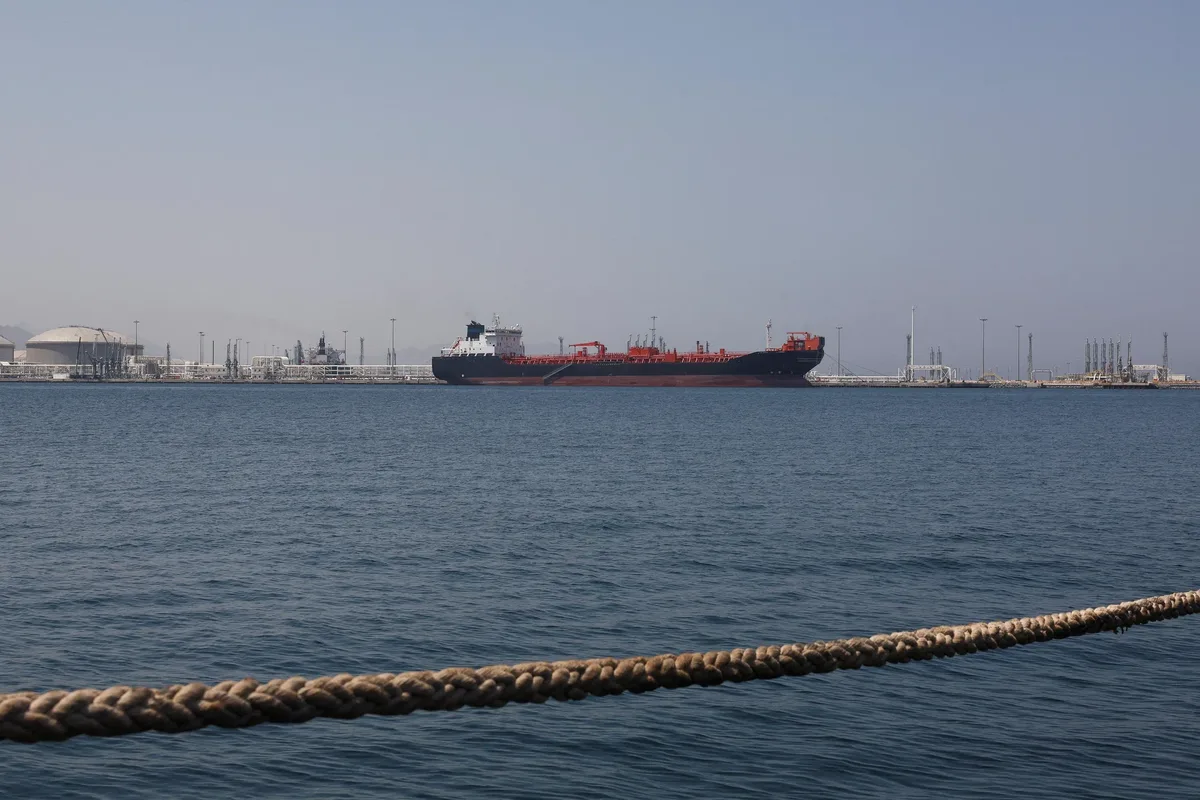
The conflict has severely disrupted the Strait of Hormuz, a critical global energy chokepoint, where Iran’s blockade has pushed oil prices above US$100 a barrel—a rise of more than 50% over pre-war levels [1, 2, 3, 4, 6, 7, 8, 9, 10]. This surge in fuel costs has particularly hit the airline industry, which faced nearly $15 billion in additional expenses as jet fuel prices nearly doubled [6, 7, 8, 9].
Raw material supply chains have fractured, raising costs for inputs such as fertilizers, helium, aluminum, and polyethylene. Affected sectors include cosmetics, tires, detergents, cruise operators, airlines, automakers like Toyota, appliance makers such as Whirlpool, and consumer goods firms including Procter & Gamble and Karex [1, 3, 4, 6, 7, 8, 9, 10].
Whirlpool CEO Marc Bitzer said the industry decline rivals or exceeds the global financial crisis and other recessions. He noted, "Consumers are holding back on replacing products and rather repairing them," illustrating the war’s dampening effect on demand. Whirlpool cut its full-year forecast in half and suspended its dividend as a result [1].
Other companies like Newell Brands and Continental report rising raw material costs linked to oil price hikes and operational challenges, while McDonald’s CEO Chris Kempczinski said, "Currently the biggest problem is the high oil prices," which are hurting low-income consumer demand [6, 7, 8, 9].
The war comes after recent global upheavals like the COVID-19 pandemic and Russia’s invasion of Ukraine and is further tempering economic growth expectations for 2026. Sustained price increases are expected to fuel inflation, weaken consumer confidence, and threaten profit margins beyond the second quarter [1, 2, 4, 6, 7, 8, 9, 10].
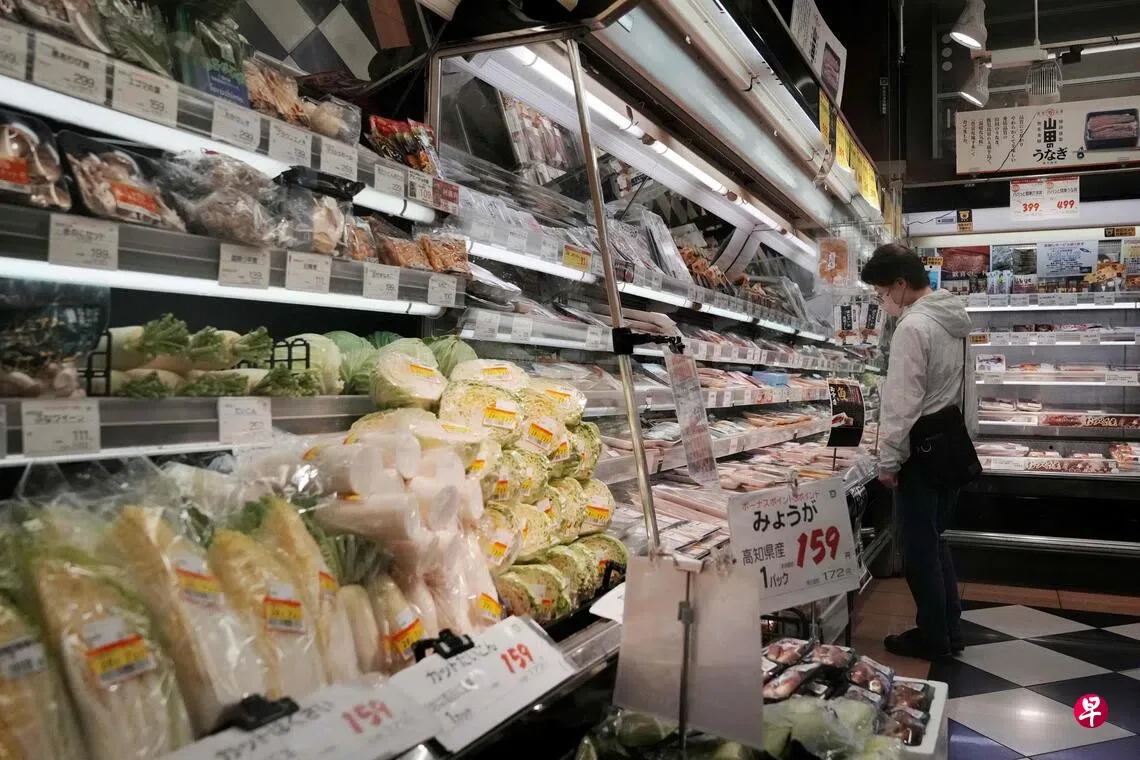
In response to rising energy costs linked to the conflict, Japan’s Prime Minister Saeitsu said, "I have instructed officials to draft a supplementary budget to address electricity and fuel price subsidies due to rising costs from the Middle East situation." The proposed budget is about 3 trillion yen (approximately S$241 billion) [11].
Airline CEO Michael O’Leary of Ryanair cautioned on future prospects, saying, "With almost zero visibility for the second half of the year and fuel prices and supplies likely to fluctuate, it is difficult to give meaningful profit forecasts for 2027" [12].
Looking ahead, Japan is expected to finalize its supplementary budget soon to help offset energy price surges, while global companies continue adjusting forecasts as the war’s economic impact extends into the second half of 2026.